

REVIEW · COOKING CLASSES
Authentic Tapas Cooking Class at a Private Eatery in Madrid
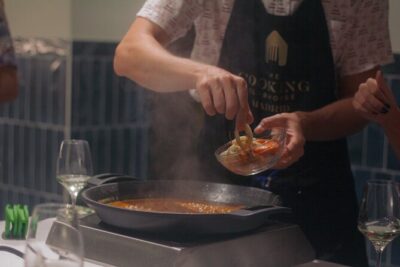
Madrid taps are better when you cook them. This hands-on class teaches you the real rhythm of Spanish tapas with a professional chef in a private eatery. You will make a full spread, then sit down with what you create and enjoy red and white wine along with coffee and water.
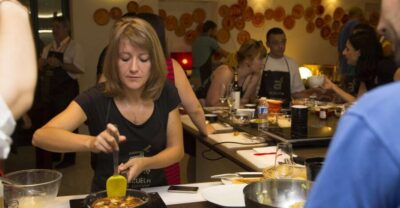
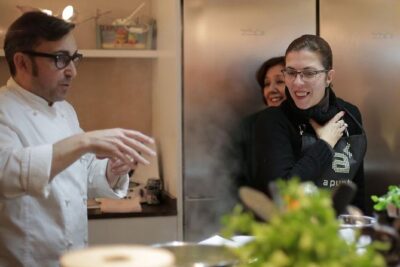
What I like most is the small-group pace, limited to 10 people, so you actually get hands-on time instead of just watching. I also love that the chef uses a proper cooking lesson approach, not a menu lecture, so you learn techniques you can reuse later in your own kitchen.
One thing to consider: the menu can shift based on seasonal products and the chef’s inspiration, and it includes dishes with seafood and peppers. If you have any dislikes or restrictions, message it in advance so the chef can plan alternatives.
Key things to know before you go

- Hands-on tapas making with a pro chef, not a passive tasting
- A full meal you finish together, with local wine, water, and coffee
- A mix of classics and regional favorites like croquetas, black ink squid paella, and ajoarriero-style cod
- A small-group ceiling of 10, which helps you ask questions and get help
- The Russian salad and paella can come with veggie options, if you need swaps
- English instructor, so you can focus on technique instead of translating food jargon
Trade the restaurant table for a Madrid kitchen
- Madrid: Paella and Sangria Workshop in the City Center★ 4.9 · 1,264 reviews
- Paella Cooking Class in Madrid with Bottomless Wine Pairing★ 5.0 · 985 reviews
- Paella Workshop with Bottomless Sangria in Central Madrid★ 5.0 · 763 reviews
- Madrid Tapas & Paella Cooking Experience with Local Market Visit★ 5.0 · 432 reviews
Why this tapas lesson feels different from bar-hopping

In Madrid, you can absolutely do tapas the easy way: bounce from bar to bar, order a few plates, and call it a night. This class is different. You still get the joy of tapas, but the big payoff is learning how they’re built, cooked, and timed, with guidance you cannot realistically recreate on your own after one or two visits.
The lesson format matters because tapas are not just about ingredients. They are about textures and timing, like when to thicken a filling, how to keep coatings crisp, and how to manage cooking waves for a meal that feels casual but lands precisely. That is why a chef-led class is more valuable than trying to copy dishes from menus.
You also get a social element that feels more local than a restaurant. In a small room with wine poured and a chef guiding the process, you end up talking about sourcing and what makes each dish work. That kind of context is hard to pick up when you are only ordering and eating.
Getting to C. de Valderribas 30 and finding Lóleo
Meet at C. de Valderribas 30, 2º floor, Retiro, 28007 Madrid. The practical detail that saves time: access is from the street, not from a market. At the doorbell, the name listed is Lóleo.
The Pacifico Metro Station on Line 1 is about two minutes away, so you can arrive without stress if you are already moving through central Madrid by metro. Since the activity ends back at the meeting point, you can plan your evening around returning to the same area.
If you want a smooth start, arrive a few minutes early. Cooking classes run on timing, and you do not want to walk in late just as everyone is starting prep. Also, wear shoes you are comfortable standing in, because this is hands-on.
The 3.5 hour tapas lesson: what you will cook and eat

The class lasts about 3.5 hours, and it is structured so you cook together, then eat what you made. The exact dishes can vary with seasonal products and the chef’s inspiration, but expect a menu built around Spanish favorites.
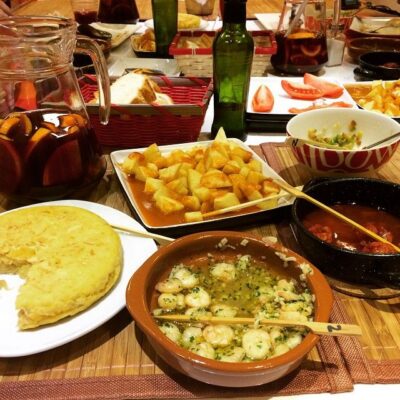
Here is what you can plan for based on the experience details: ham croquettes, black ink squid paella, Russian salad, and cod in ajoarriero style. You will also likely see veggie versions included during the cooking flow, since the class can accommodate vegetarian guests.
Another Madrid route worth weighing up





Ham croquettes, made with chef guidance
Croquettes are one of those foods that look simple, but they are technique-heavy. In this class, you will learn the process in a hands-on way, so you understand how the filling comes together and how the final texture happens.
A practical win: you learn what the chef is watching for, not just what the final croquette looks like. That means later, if you make them at home, you are not guessing whether your mixture is too loose or if it is thick enough.
Russian salad, including a version that leans tuna
One dish in the spread is called Russian salad. In this class, it can be prepared as a version that is basically tuna salad, which is a useful detail if you usually think of Russian salad as something else. It is the kind of dish that fits tapas culture well: chilled, shareable, and designed for conversation at the table.
Because it is a composed dish, you also get a sense of balance, where each bite feels like part of a plate instead of a random mix. That is the kind of lesson you cannot get from just eating it.
Paella with black ink squid, plus vegetarian options
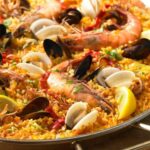
Paella is often talked about like it is one universal thing. In reality, paella is flexible, and this class reflects that. You will cook a black ink squid paella, and the experience includes both squid-based and vegetarian paella options depending on the group.
This is a big reason I think this class is worth it. You do not just learn one way to serve paella. You learn that tapas meals can be varied without turning into a complicated production.
Also, black ink paella brings a dramatic look and a distinct flavor profile. Even if you do not cook it at home right away, you will walk away knowing how that style fits into Spanish home cooking and casual dining.
Cod in ajoarriero style, with tomato, onion, and peppers
The cod dish is prepared in ajoarriero style, meaning a cooked sauce base with tomatoes, onions, and peppers. One useful detail from the experience notes is that variations can be made, including a version without peppers for someone who avoids them.
For you, that signals two things. First, you are not stuck with one rigid template if the group needs adjustments. Second, you will learn the sauce logic behind the dish, not just the idea of serving cod with something.
Cod also plays well in a tapas context because it is filling without being heavy. It rounds out the menu nicely next to croquettes and paella.
What you eat, not just what you cook
After cooking, you sit down and eat your finished tapas. You will have red and white wine, plus tea and coffee based on the dish service described. The meal does not feel rushed, which matters because tapas are meant to be paced. You should give yourself time to taste and ask questions while the food is still hot and the wine is still doing its job.
Wine, conversation, and why the small group matters

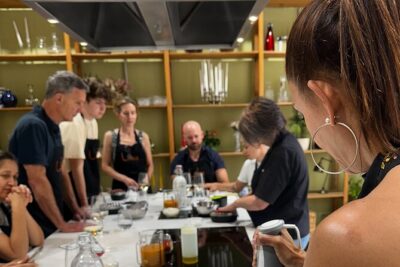
This experience is small group, limited to 10 participants, and that changes the vibe. You are not waiting for a chef to notice you. You are interacting during prep, getting answers in the moment, and learning how to correct small mistakes early.
The class also includes local drinks: wine, water, and coffee. Wine is poured while you work, so you can focus on technique without feeling like you are at a strict cooking lecture. It also helps break the tension if you are traveling solo. Cooking is easier when people around you are friendly and the group size makes it natural to talk.
There is another subtle benefit: when the group is small, the chef can adjust. In at least one instance, vegetarian needs and aversions to bell peppers were accommodated. That kind of flexibility is exactly why you should choose a class like this instead of trying to copy a recipe from a blog and hope your timing matches Spain.
Price and value: what $112 covers in Madrid

At $112 per person for 3.5 hours, this is not a budget food stop. But it is also not just a plate of tapas. You are paying for:
- A professional chef leading prep and cooking
- A hands-on class with instruction during the process
- A full meal built from multiple dishes
- Local wine, water, and coffee included
- A small-group setting limited to 10 people
When I judge value, I look at what would cost more if you did it yourself. If you try to learn this by booking a market tour and then doing a private cooking run at home, you would still pay for instruction and ingredients. Here, the cost is bundled into a complete experience.
It can be especially good value for groups or couples. Two people can split the cost of a guided experience more easily than solo travelers, but either way you are leaving with recipes and a better understanding of technique, not just a food memory.
Also, the menu includes several items that are not simple quick-cook dishes, like croquettes and paella. Those take time and care. You are paying for the chef’s time, not just the ingredients.
Dietary needs and how to set yourself up for success

This is a cooking class, not a menu-only tasting, so dietary communication matters. The experience notes ask you to communicate dietary restrictions in advance. Do it early, with clear wording about what you avoid.
Based on the dish descriptions and accommodations, you can often expect adjustments. Vegetarian swaps and pepper avoidance have been handled, including a paella format with vegetarian options and cod served with and without peppers for different preferences.
For you, the best strategy is simple:
- Send your dietary restrictions before the class
- Mention specific ingredients you avoid, like bell peppers
- If you do not eat seafood, say so clearly, since the menu can include black ink squid paella and cod
If you keep expectations clear, the chef can plan so you still cook and eat as part of the group.
What the menu teaches you about Spanish tapas culture

Tapas culture gets described in a thousand ways, but technique is the real story. This class gives you a mini education in how Spanish meals feel “small” without being “light.”
Croquettes teach portioning and texture. Russian salad teaches cold-bite balance and assembly. Paella teaches timing and building a dish that can be shared family-style. Ajoarriero cod teaches that sauces often do the work, and that toppings like peppers can be central rather than optional.
And because the menu can vary with seasons and chef inspiration, you also learn that the kitchen adapts. It is not rigid. The class is structured, but the final spread can reflect what is freshest.
That matters if you are trying to understand Spain beyond tourist descriptions. You come away with a clearer sense of how home cooks and neighborhood kitchens think.
Who should book this class, and who should consider another plan

This class is a strong match if you want:
- Real instruction from a chef, not just eating
- A Spanish tapas experience with wine included
- A small-group setting where you can talk while you cook
- A menu that includes both classic and standout choices like black ink squid paella
It is also a good choice if you like learning with your hands. Even if you have no cooking experience, the class is built for it, and the experience notes say previous cooking knowledge is not required.
Consider another plan if:
- You have very strict dietary needs and you are not comfortable discussing them in advance
- You want a quick, casual snack experience with no cooking work at all
- You are not interested in seafood or peppers, since the core dishes include them
Should you book it?

If you are excited by the idea of learning technique and leaving with recipes, I think this is an easy yes. You get a full, structured meal, wine included, and the chef-led format gives you the kind of practical knowledge you cannot replicate from a single restaurant visit.
Book it especially if you value a small group and you like to ask questions while you cook. Just remember the one caveat, the menu can vary and includes ingredients like seafood and peppers, so communicate your needs early.
FAQ
How long is the tapas cooking class?
The experience lasts about 3.5 hours, and exact starting times vary, so you will want to check availability for the schedule.
Where do I meet the group in Madrid?
You meet at C. de Valderribas 30, 2º floor, Retiro, 28007 Madrid. Access is from the street, and the doorbell says Lóleo.
What dishes will I cook and eat?
The menu includes ham croquettes, black ink squid paella, Russian salad, and cod in ajoarriero style. The exact menu can vary based on seasonal products and the chef’s inspiration.
Is the class taught in English?
Yes, the instructor is English-speaking.
What is included in the price?
The price includes the full meal, local wine, water, and coffee, plus the hands-on cooking class with the chef.
Is the class wheelchair accessible?
Yes, the experience is wheelchair accessible.
More Private in Madrid



More Tour Reviews in Madrid




Cook the Spanish classics
Fresh ways to see Madrid
- Tour to Toledo & Madrid CitySight Seeing Tour
- 2-Day Guided Tour to Cordoba and Seville from Madrid
- Private Transfer from Madrid Airport to Madrid Hotels
- Wine Tasting and Flamenco Master Class in Madrid
- Prado Museum and Royal Palace Private Tour in Madrid
- Monastery Royal Barefoot Visit with entrance without waiting for queues
More ways into Cooking Classes
 ★ 5.0Spanish Cooking Class Paella Tapas and Sangria in MadridFrom $1021,340 reviews
 ★ 5.0Paella Cooking Class in Madrid with Bottomless Wine PairingFrom $143985 reviews
 ★ 5.0Madrid Tapas & Paella Cooking Experience with Local Market VisitFrom $114432 reviews
 ★ 5.0Taste of Spain: Tapas Cooking Class with Bottomless Wine PairingFrom $151414 reviews
 ★ 5.0Half-Day Spanish Cooking ClassFrom $100345 reviews
 ★ 4.710 Tapas 2.5-Hour Cooking ClassFrom $80222 reviews
 ★ 5.0Tapas & Paella Cooking Class in Madrid with a Professional ChefFrom $107177 reviews
 ★ 5.010 Tapas Cooking Class Experience in Madrid with SangriaFrom $82137 reviews
Try another angle on the same itinerary