
REVIEW · COOKING CLASSES
Madrid: 10 Tapas 2.5-Hour Cooking Class
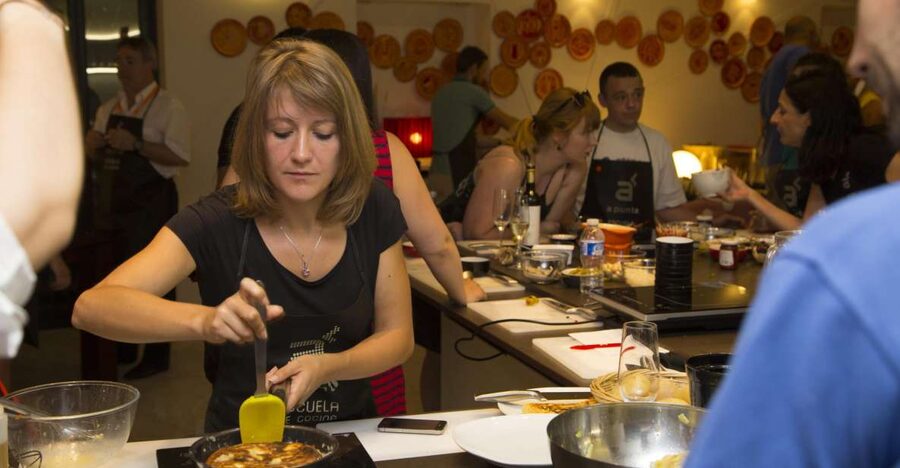
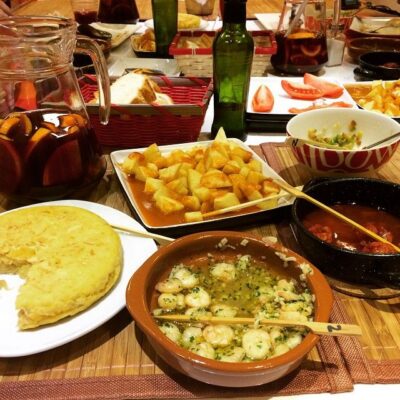
Ten tapas, one kitchen, lots of hands-on work. In Madrid, this 2.5-hour class lets you cook 10 regional tapas with chef-led guidance and then eat your creations with Spanish sangría. The drawback is you cook in small teams, so you will not be the only one driving every dish.
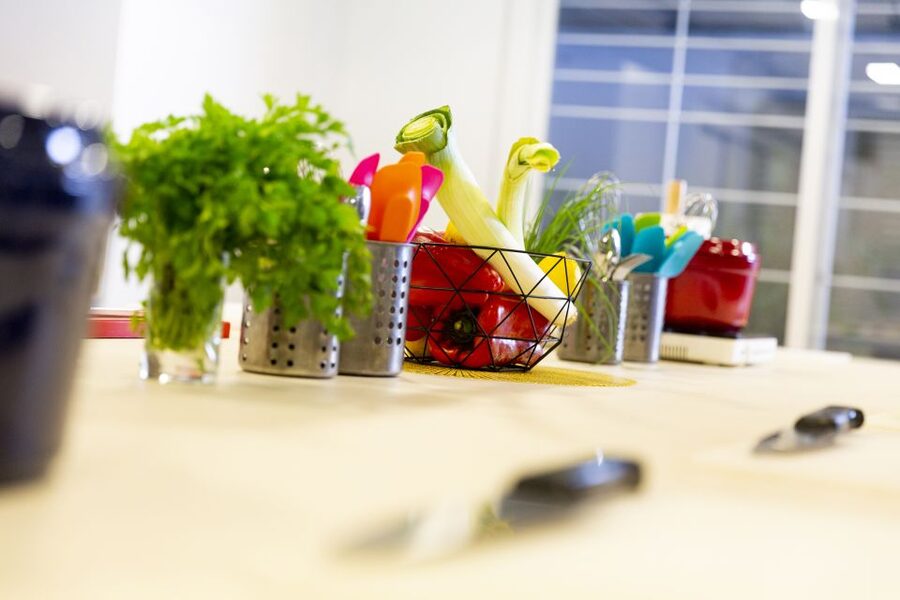
You meet outside A Punto Shop at Calle de la Farmacia, 6, street level, not inside the building. The class runs in English, and you typically work in a fully equipped kitchen where the pace stays organized even when several stations are going at once. You also leave with a copy of the recipes and an apron, so the fun does not have to end when the meal is over.
Key highlights worth your time
- 10 tapas in 2.5 hours, built around Spanish regions, not just random bites
- Small-group cooking (3 to 4 people) so you are actively involved, not watching
- Sangría included with your meal, pairing comes right after the cooking
- English instruction with no experience required, so first-timers are welcome
- Recipes and an apron included, useful souvenirs you can actually use
- Vegetarian option is built in, but plates cannot be swapped for different menu items
Trade the restaurant table for a Madrid kitchen
- Madrid: Paella and Sangria Workshop in the City Center★ 4.9 · 1,264 reviews
- Paella Cooking Class in Madrid with Bottomless Wine Pairing★ 5.0 · 985 reviews
- Paella Workshop with Bottomless Sangria in Central Madrid★ 5.0 · 763 reviews
- Madrid Tapas & Paella Cooking Experience with Local Market Visit★ 5.0 · 432 reviews
Meeting A Punto Cooking School at Calle de la Farmacia
Before you worry about chopping, frying, or seasoning, get the location part right. Meet outside the shop at Calle de la Farmacia, 6, street level, at A Punto Shop, and do not go inside the building for the check-in. If you show up a few minutes early, you avoid the little stress that can knock the fun out of the start.
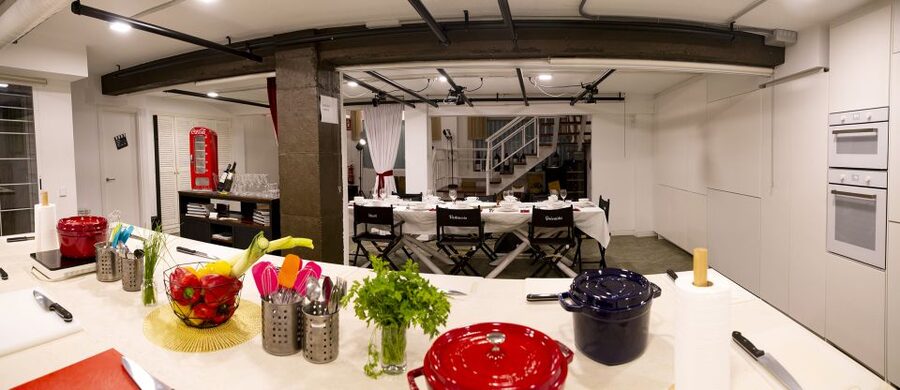
Once you are at the right spot, the rest is straightforward. You are going into a fully equipped kitchen, and you do not need any prior cooking experience. This is one of those Madrid activities that works well even if you have only a short time in town, since the whole schedule is built around that 2.5-hour window.
Also, keep the rules in mind early. No baby strollers or baby carriages, no smoking, and no audio recording. And it is not designed for kids under 14, so plan accordingly if you are traveling with family.
The 2.5-hour flow: 10 tapas, team cooking, and clear direction
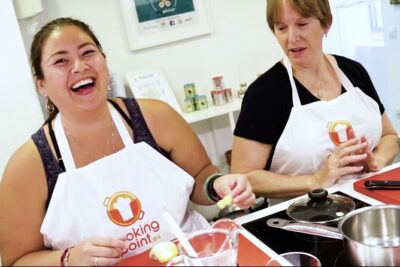
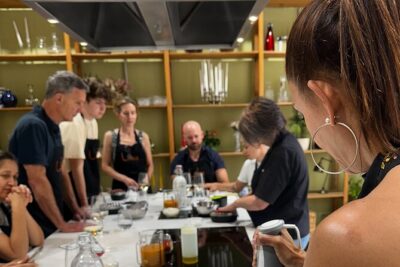
This class is built around making 10 different tapas in one sitting, which is why it feels energetic. The structure matters: you cook in small groups of 3 to 4 people, and tasks are split across the group. That means you will contribute a lot, but you will not personally execute every step for every tapas, because multiple dishes are prepared at the same time.
That can be a plus. You learn how tapas are assembled in real restaurant-style timing, where everything does not happen sequentially. You also get practice on multiple techniques without spending the entire class on one single dish.
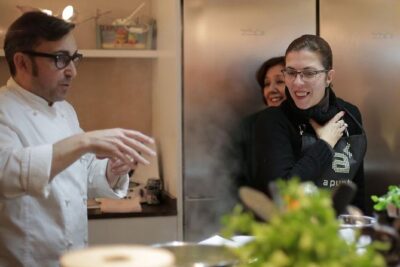
It is also why personalized help is part of the design. The chef instructor and team stay involved while your station keeps moving. In past classes, instructors such as Gustavo and Homer show up in accounts for being warm, organized, and good at keeping people engaged, even when the kitchen gets busy.
Still, here is the fair consideration: if you want to do everything end-to-end yourself, you may feel a bit limited by the station setup. With several tapas going simultaneously, you may occasionally want more one-on-one coaching while your group is already assigned to the next task.
Tapas across Spain: gilda from the Basque Country and pan tumaca from Catalonia
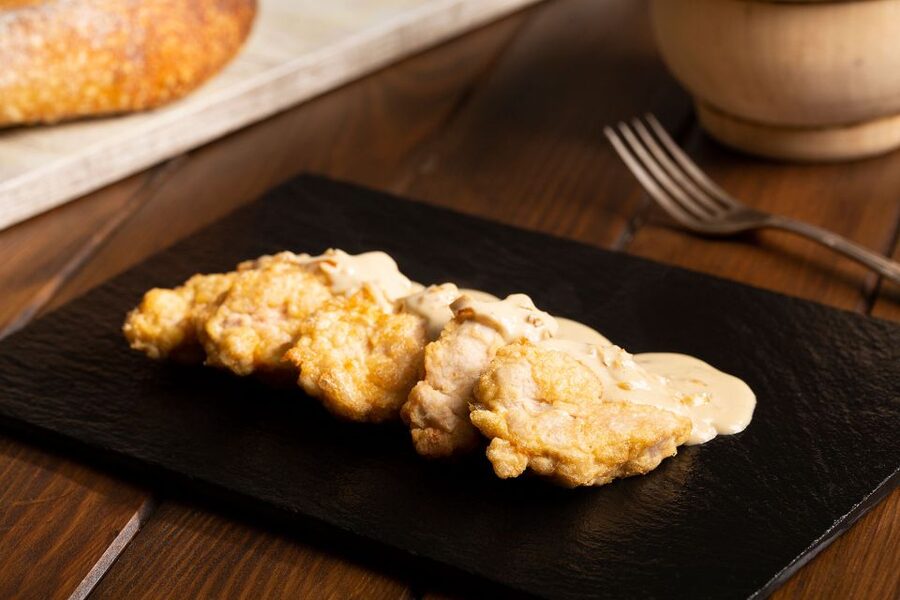
The most interesting part is not only that you get 10 tapas, it is the regional thinking behind them. You are not just learning flavors, you are learning why these bites fit into Spanish eating culture, where people graze and share.
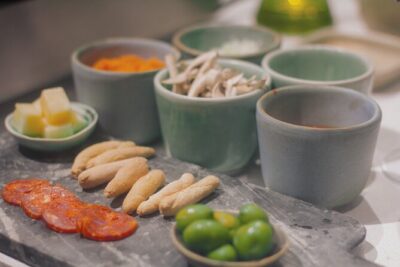
Two examples make the regional concept concrete. You work on gilda, the Basque-style combination centered on pepper and anchovy skewers. You also make pan tumaca, a Catalonia-inspired bruschetta-style dish that highlights the simple magic of bread, tomato, and good seasoning.
Those two alone tell you what kind of class this is. It is not all fancy plating. It is technique, ingredient choice, and balancing strong flavors in small bites. And that matters if you want to cook at home later, because your results will depend on how you handle the core steps, not how the dish looks on day one.
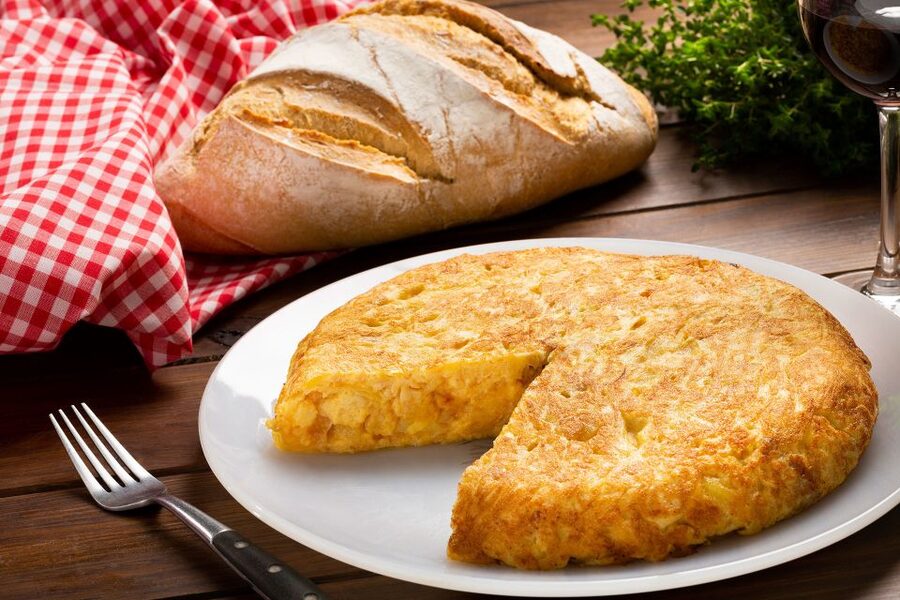
The class also uses tutorials on traditional techniques and local ingredients. Some groups specifically call out learning the proper way to make a classic Spanish omelette, and that kind of instruction is exactly what you want from a tapas class. You get the fundamentals that scale, so once you understand one method, you can apply it across other dishes.
Another Madrid route worth weighing up
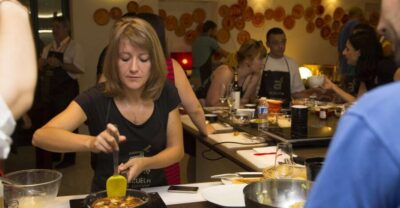
What you are actually doing in the kitchen, step by step
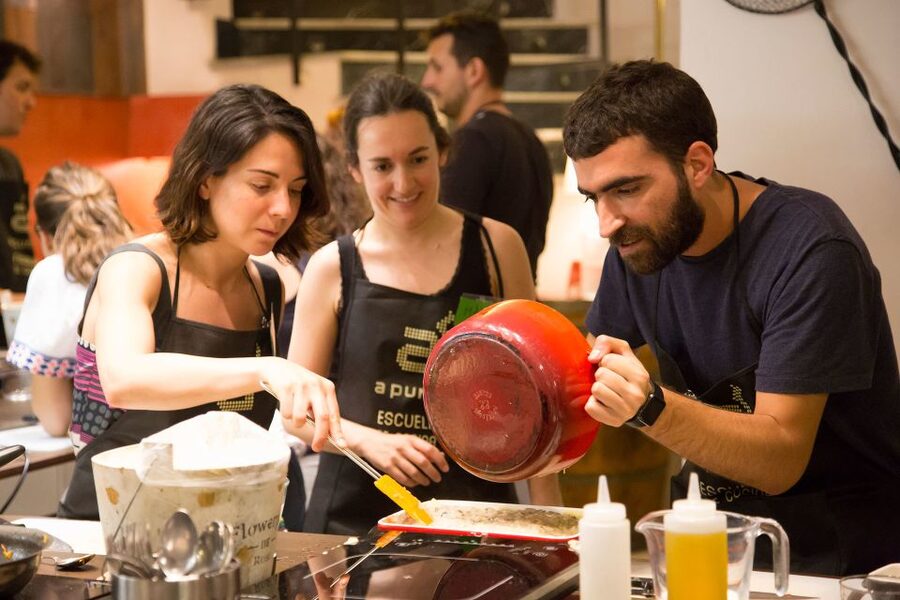
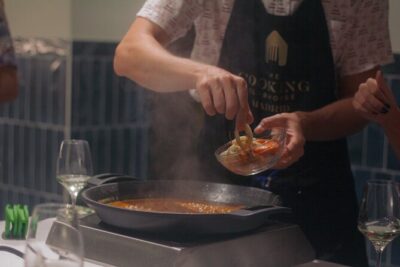
The kitchen is fully equipped, and the no-experience rule is real. You are taught, not thrown into the deep end. You will chop, mix, assemble, and cook your assigned portions, then coordinate with your group so the tapas come together for everyone to eat.
Here is what makes the hands-on format valuable for your future meals. Tapas cooking rewards small decisions. For example, with dishes like pan tumaca, small differences in bread choice and how you rub or top the base can change the texture from good to memorable. With something like gilda, getting the ingredient balance right, and handling salty anchovy without overpowering everything, is the kind of detail you only pick up when someone shows you the method.
Expect the class to feel organized rather than chaotic. Multiple groups are producing different elements, so your time stays busy. You also tend to learn cultural context while you work, which helps you understand what you are doing and why a specific step exists.
One more practical point: you end up with a lot of food. Many participants mention leaving with plenty, since you create a full meal out of what you cook. That is a big deal for value in Madrid, because it is not just a taste or a sample.
Sangría with dinner, then take-home recipes and an apron
After you cook, you eat what you made. That part sounds simple, but it is the payoff: you get a proper sit-down meal that includes Spanish sangría. You also see how the different tapas work together as a spread, which helps you understand portion, timing, and pairing at home.
Sangría is included, but wine is not. Some people suggest grabbing wine separately if you want to extend the evening, but it is not part of the base price. Either way, the included sangría keeps the meal feeling complete and ties together the Spanish theme.
Then you take things home. You receive a copy of the recipes you cooked, plus an apron as a keepsake. I love when a class gives you usable notes, because Spanish cooking can feel vague from cookbook directions. Having the exact recipe approach in your hands makes it realistic to repeat the results later instead of guessing your way through.
Vegetarian option and the rules that affect your menu choices
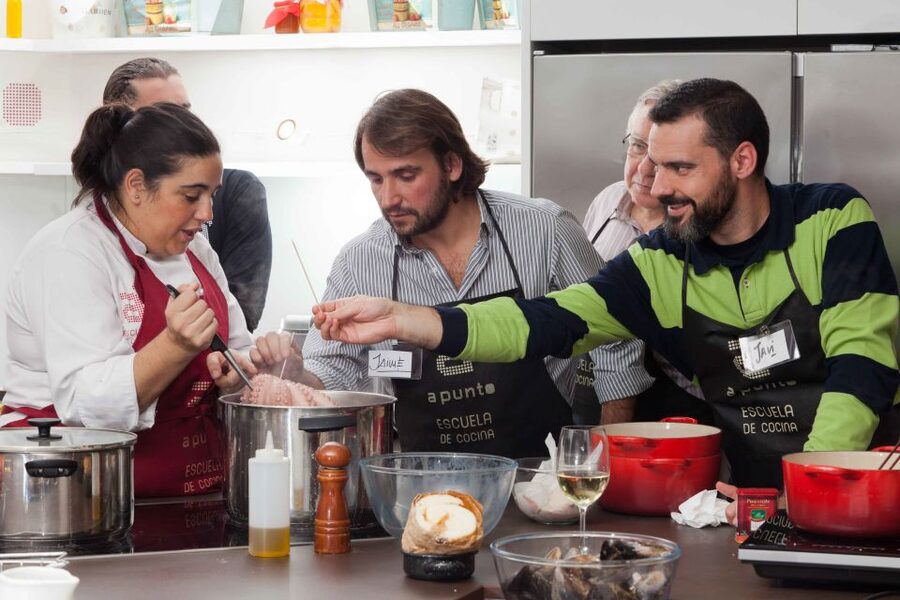
If you eat vegetarian, you should know this upfront: a vegetarian meal option is available because half of the menu is vegetarian. But the important detail is that plates cannot be changed. That means you cannot expect to swap out your portion at the end if the station you are assigned to is not vegetarian-friendly.
This is worth planning for. If you are booking and you need vegetarian food, treat the vegetarian option as a part of the menu design, not a flexible customization tool. If you have allergies, you should consider reaching out when you book, but the only explicitly guaranteed menu info here is the half-vegetarian setup.
Also, remember the age and comfort rules. No children under 14. And no strollers or baby carriages. If you are traveling with a teenager or a responsible older kid, check age requirements carefully before you assume they can join.
Price and value: is $80 fair for 10 tapas plus sangría?
At $80 per person for 2.5 hours, this falls into the “not cheap, but not random” category. The value comes from three things you would otherwise pay for separately:
1) The food volume: you cook and then eat 10 tapas that add up to a full meal, and many people note they leave with leftovers.
2) The included drink: Spanish sangría is part of the experience, not an add-on.
3) Take-home materials: recipes plus an apron give you something usable after the class ends.
Could you eat well in Madrid for less? Sure. You can absolutely find tapas bars with great pricing and a lively scene. But this is different. You are paying for instruction, technique practice, and a guided spread you can reproduce later.
One more value angle is the learning style. A class like this is built for first-timers, so you are not stuck translating complicated steps on your own. The fact that the class runs in English also matters if you do not speak Spanish yet, because you can follow both the cooking and the reasoning behind it.
So if your goal is skill plus dinner in one package, $80 starts to look reasonable. If your goal is only to taste quickly, then you might prefer a traditional tapas crawl. For a hands-on cooking night, the price makes sense.
Who should book this Madrid tapas cooking class?
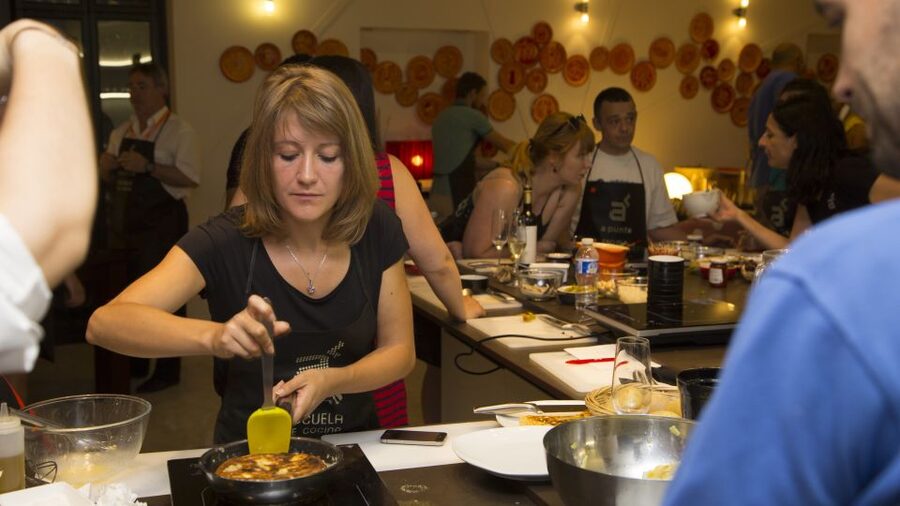
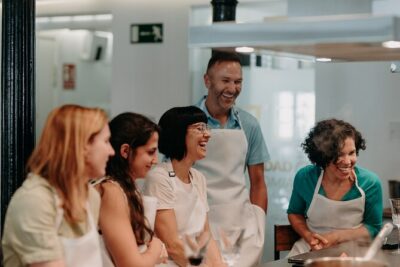
Book it if you want a fun, hands-on Spanish food experience that teaches real technique and ends with a full meal. It is especially good if you are a solo traveler or part of a small group, because the structure forces interaction: you cook in teams, then you eat together. Many people also like that the class keeps things light with humor while still staying organized.
Skip it if you strongly prefer cooking alone at your pace, because you will be assigned tasks within a group of 3 to 4 and multiple tapas are prepared at once. Also skip if you are traveling with younger kids, since no one under 14 can join.
Finally, if vegetarian is essential, go in knowing the menu limitation: half the menu is vegetarian, but you cannot swap plates. If you can plan within that boundary, it should work well.
If you want, tell me your travel dates and whether you eat vegetarian, and I can help you decide which tapas class time is best for pairing with the rest of your Madrid plans.
FAQ
Where is the meeting point for the class?
You meet outside the shop located at Calle de la Farmacia, 6, street level. The instructions say it is not inside the building.
How long is the cooking class?
The class duration is 2.5 hours.
Is the class taught in English?
Yes, the instructor teaches in English.
How many tapas will I make?
You will learn to prepare 10 different tapas.
Is a meal included, and is sangría included?
Yes. Your meal is included, and Spanish sangría is included with the meal.
Is wine included?
No, wine is not included.
Is there a vegetarian option?
A vegetarian option is available because half of the menu is vegetarian. However, plates cannot be changed.
Do children under 14 allowed?
No. No children under 14 are allowed.
More Cooking Classes in Madrid
More Tour Reviews in Madrid



Cook the Spanish classics
Fresh ways to see Madrid
- Tour to Toledo & Madrid CitySight Seeing Tour
- 2-Day Guided Tour to Cordoba and Seville from Madrid
- Private Transfer from Madrid Airport to Madrid Hotels
- Wine Tasting and Flamenco Master Class in Madrid
- Prado Museum and Royal Palace Private Tour in Madrid
- Monastery Royal Barefoot Visit with entrance without waiting for queues
More ways into Cooking Classes
 ★ 5.0Spanish Cooking Class Paella Tapas and Sangria in MadridFrom $1021,340 reviews
 ★ 5.0Paella Cooking Class in Madrid with Bottomless Wine PairingFrom $143985 reviews
 ★ 5.0Madrid Tapas & Paella Cooking Experience with Local Market VisitFrom $114432 reviews
 ★ 5.0Taste of Spain: Tapas Cooking Class with Bottomless Wine PairingFrom $151414 reviews
 ★ 5.0Half-Day Spanish Cooking ClassFrom $100345 reviews
 ★ 5.0Tapas & Paella Cooking Class in Madrid with a Professional ChefFrom $107177 reviews
 ★ 5.010 Tapas Cooking Class Experience in Madrid with SangriaFrom $82137 reviews
 ★ 4.9Tapas & Paella Cooking Class with Expert ChefFrom $10561 reviews
Try another angle on the same itinerary