
REVIEW · MADRID WINE TASTINGS & WINERY TRIPS
Ribera del Duero Wineries Guided Tour & Wine Tasting from Madrid
Ribera del Duero is an easy win from Madrid. I love that this day trip mixes three very different wineries with a real behind-the-scenes look at production, not just a quick toast. I also like the way it builds in food and timing so you are not rushing through tastings on an empty stomach. One consideration: it is a long day (about 10 to 11 hours), so you will want energy for the early start and the drive.
For wine lovers, this is strong value because the tour includes visits plus tastings at each winery (minimum three wines per stop), and you get snack support during pours. It also helps that the operator keeps the group size down, with a maximum of 20 people.
Key highlights I’d circle before you book
- Three winery visits with structured tastings (minimum three wines at each stop)
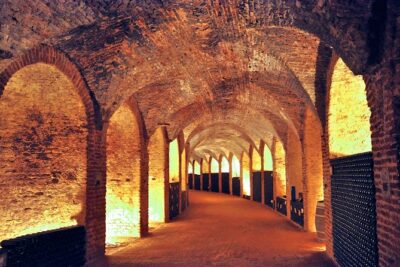
- A medieval underground cellar stop with deep tunnels for long-term wine storage
- Modern meets tradition across the wineries, so you see more than one style of making wine
- Small-group feel with a max of 20 people
- Bilingual guide support in English and Spanish, so explanations stay clear
- Snacks at the wineries so you can taste comfortably (crackers, cheese, salami are mentioned)
Pour another route from cellar to city
- Toledo Tour & Vineyard Walk with Wine Tasting from Madrid★ 5.0 · 2,546 reviews
- Madrid: Tapas & Wine Tasting Tour with Local Guide★ 4.8 · 2,171 reviews
- Madrid Tapas & Wine Tour with Rooftop Views and Local Guide★ 5.0 · 2,047 reviews
- Madrid Countryside Wineries Guided Tour with Wine Tasting★ 5.0 · 740 reviews
Price and logistics: what you are really paying for
At $223.82 per person, this is not a bargain-basement wine trip. But it is priced like a full guided day, and the math works in your favor if you care about learning and tasting properly.
You are paying for:
- Roundtrip transport by air-conditioned van or coach from Madrid
- Three winery visits plus minimum three-wine tastings at each winery
- Local bilingual guidance (English offered, and Spanish is also part of the operation)
- Snacks during the tastings, so the pours are not happening on an empty stomach
- A schedule that includes both wine production and the region’s historic villages and castles
If you were trying to copy this day on your own, you would likely spend time figuring out transport, booking three wineries, and arranging a guide who can explain what you are tasting. Here, the day is already stitched together.
Logistics note that matters: you meet at a specific city spot in Madrid. Your pickup is 9:15am at the front door of the cafetería of Hotel Claridge, at Plaza del Conde de Casal, 6 (closest metro: Conde de Casal, Line 6). The cafetería facilities are only allowed for customers, so plan to meet promptly and avoid lingering at the doorway. Also, the tour departs on time, and you should assume your timing to the meeting point can run 10 to 20 minutes slower than maps estimate.
Getting to Ribera del Duero from Madrid without the stress
The drive is about 2 hours each way, and you start early. That early departure is actually helpful: it gets you into Ribera del Duero while the day still feels fresh, and it gives you time to absorb the changes in scenery as the region shifts from Madrid’s city rhythm to vineyard roads and stone towns.
You will be in a group setting, with a vehicle that is described as a van or coach. Reviews also mention small groups where seating can feel tight at times, so if you are tall or picky about legroom, keep that in mind.
One practical tip: do not count on Uber for a smooth start. The guidance given is to take a regular taxi to the meeting point if needed, then show up early enough that you are not sprinting to join the group.
Stop 1 in Ribera del Duero: first tastings and first impressions
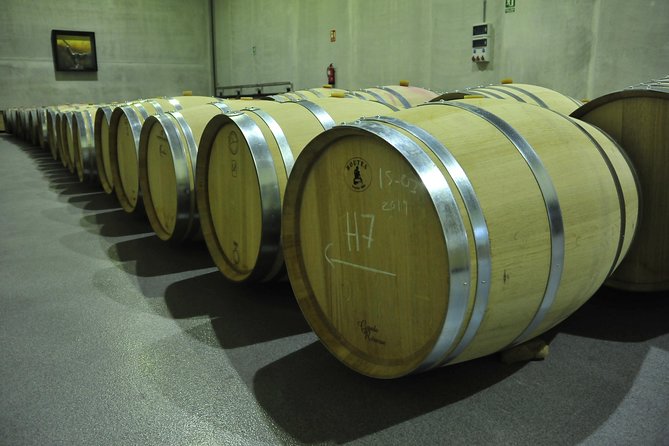
Once you leave Madrid at 9:15am, the day’s first major wine education happens at the winery on the day’s schedule. The tour is built around the idea that Ribera del Duero red wines are typically Tempranillo, and that theme shows up in how each winery frames what you taste.
This first stop usually sets the tone:
- you get an overview of winemaking in Ribera
- you learn the Tempranillo journey from grape to bottle
- you taste aged wines and discuss what that aging does to aroma and structure
In practice, the best “use” of the first winery is mental setup. I would treat it like orientation. Before your second and third tastings, try to notice a few things on purpose: fruit vs. wood, acidity level, and how dry or round the wine feels. The guide can connect those impressions to what the winemaker is doing, so later tastings make more sense.
Another Madrid route worth weighing up


Aranda de Duero winery visit: Tempranillo from grape to bottle
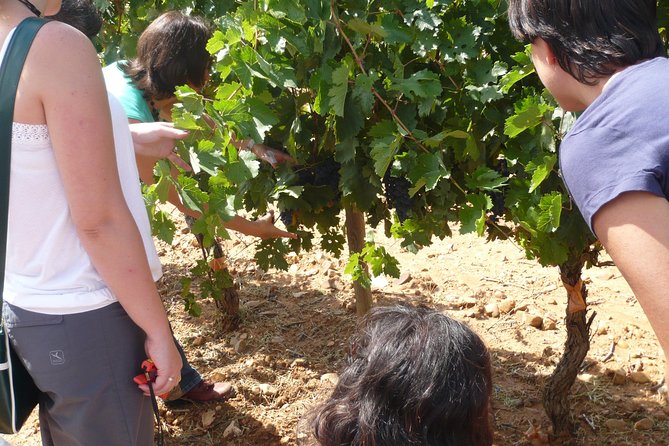
The route includes a stop in or near Aranda de Duero, and this is where the first winery visit is described in detail. Expect a full visit that connects production to the final wine.
What makes this stop worth your attention:
- You are learning the system behind Ribera del Duero, not only tasting the results
- You get to compare freshness and elegance in the aged wines
Even if you are a casual wine drinker, this is where the tour pays off. A tasting can be fun, but it can also blur together. When a guide explains how Tempranillo behaves across steps, you start tasting like a detective, not like a tourist.
The time here is about 1 hour 30 minutes, and the admission ticket for the winery is marked as free in the tour structure. (That matters because you are not paying extra for entry once you are on the tour.)
Second winery in Sotillo de la Ribera: modern architecture with vineyard views
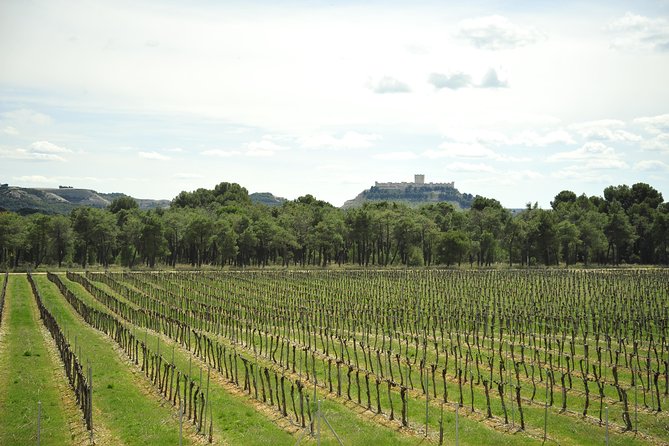
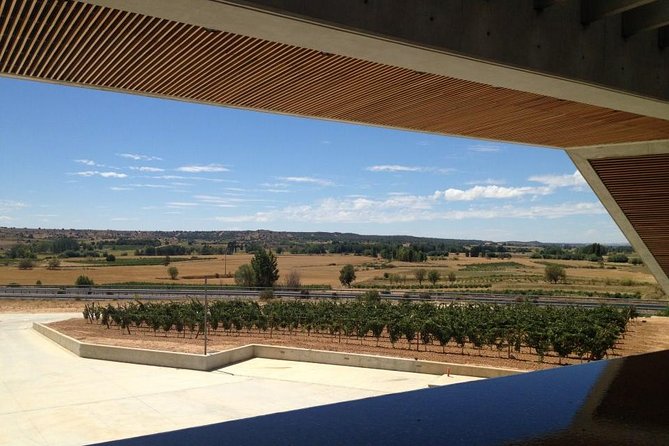
Then comes one of the most interesting contrasts: the winery stop in Sotillo de la Ribera. This visit is described as modern, built in harmony with the environment, with views that connect the interior space to the vineyards outside.
That contrast is not just about photos. It changes how you experience the wine:
- traditional wineries can feel grounded in stone and time
- modern wineries often feel designed for production efficiency and controlled processes
At this stop you also get another structured tasting, with the tour aiming for minimum three wines here as well. The tour description also mentions limited productions, which is a good clue to expect more character and more intention in how the wines are selected.
Time again is about 1 hour 30 minutes. Use it to compare, not just drink: what felt structured in the first winery, what feels fruit-forward or more polished in the second, and whether the aromas read as primary fruit, spice, or oak influence.
Lunch in Roa: plan it your way, then get back to wine
The tour includes free time for lunch in Roa, and lunch is not included in the price. This is actually a plus for many people, because you can choose what fits your appetite and budget.
The provided budget ranges are:
- tapas: about 12 to 15 euros
- full 3-course lunch: about 30 euros
If you want the most “Castilian” feel, pick a spot that does local plates rather than something that looks like it serves the same menu in every city. You are already on a wine route, so a traditional meal pairs well with the tastings you have just done and the heavier cellar visit coming next.
Timing here is about 1 hour. It is not a long lunch break, so choose something you can eat without turning it into a two-hour sit-down marathon.
Curiel de Duero underground cellar: the Middle Age wine storage you can walk through
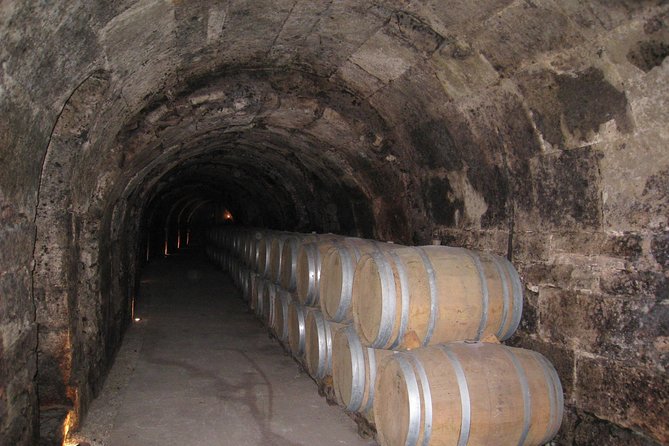
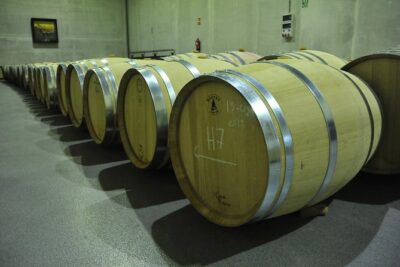
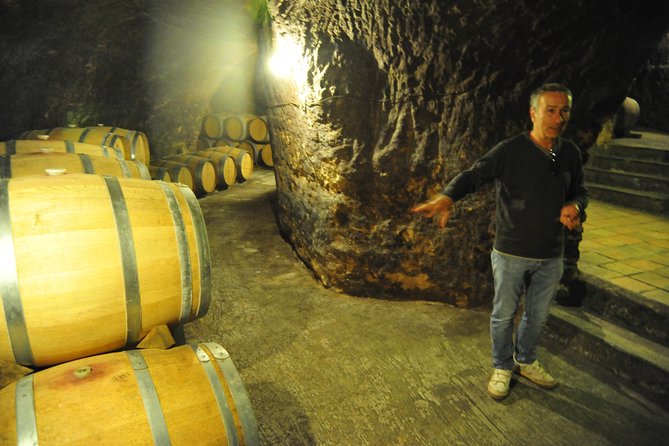
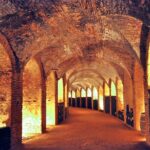
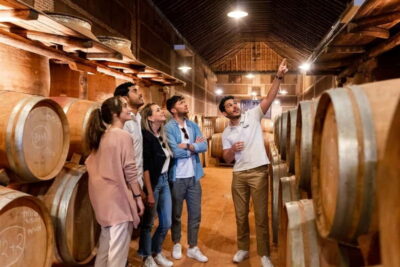
The most dramatic part of the day is the stop in Curiel de Duero, at a medieval underground cellar.
This is described as:
- roughly 4 miles of tunnel networks
- excavated about 40 feet deep
- a subsoil cellar system intended to preserve wines made since the Middle Age
If you have ever wondered why some wines can hold up so well, a deep storage network like this is part of the answer. Temperature stability matters, and so does protection from light and daily weather swings.
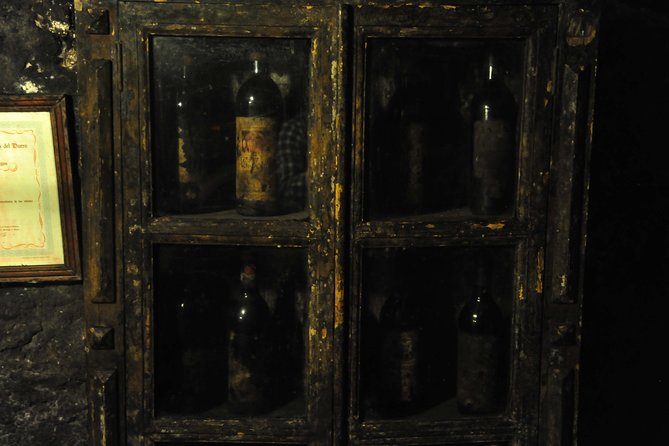
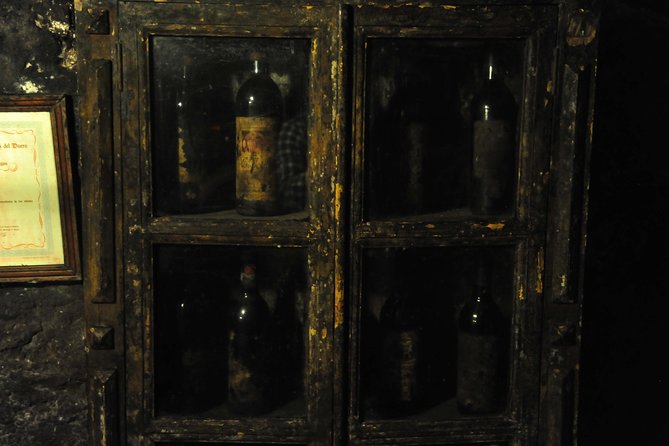
Some reviews add extra texture here, mentioning very old cellars and even references to a 16th-century underground cellar at this type of stop. What you should take away is the feeling of walking into a long-term storage world. The wine is not just sitting there. The architecture is part of the story.
This visit is about 1 hour 30 minutes, and it is also noted that inside cellars it can be cold. Bring a layer. Your future self will thank you the moment you step underground.
Ribera del Duero scenic time and the return to Madrid
After the cellar and winery sequence, the tour shifts into a relax-and-return mode. The schedule includes a final stretch of scenic enjoyment and then the drive back to Madrid, with arrival around 20h.
This part is important even though it looks like “just transportation.” Your brain is saturated by wine information by now, and the drive gives you space to digest what you liked most. If you kept notes earlier, you can line them up with what the guide explained during tastings.
Who this tour is best for (and who should think twice)
This day trip is ideal if you:
- want three winery experiences in one day
- enjoy learning how wine connects to place, and not just collecting a souvenir bottle
- like structured tastings with snacks and proper pacing
- care about contrast: modern winery architecture plus medieval underground storage
It might be less ideal if you:
- hate long drives and early starts
- are sensitive to cooler temperatures in underground cellars, since you are going underground and it can be chilly
- plan to drink heavily, because you are tasting multiple wines across several stops and the day is long
Also note the tasting requirement: minimum age is 18 for tasting at the wineries. Children under 12 cannot participate (unless a private tour is arranged).
Tips to make your tasting day feel smooth
Here are the practical things I would do to get the most out of the experience:
- Start early on the morning of your pickup. The meeting point is specific and it is easy to lose time.
- Wear layers for the cellar stop. Cold is expected indoors underground.
- Pick one or two favorite wines as you go, then ask the guide what to notice in similar wines later.
- If you buy wine to take home, check what your winery and guide explain about shipping or packaging options. Some groups mention purchasing bottles for shipment.
One more small note: the order of winery locations can change depending on the day. That is normal for a tour route, and it actually helps you by keeping the day flexible around opening times and availability.
Should you book this Ribera del Duero day trip from Madrid?
If your goal is a guided, high-structure wine day with three tastings, real production context, and a standout underground medieval cellar, I think you should book it. It is one of the cleaner ways to experience Ribera del Duero without turning your travel day into a logistics puzzle.
If you are looking for a short, chill outing with minimal driving, this is probably not your best match. It is a full day, and the value comes from using that time well, especially at the winery stops and the cellar.
My take: if you like wine education plus scenery plus a little history in stone tunnels, this is a very strong fit for a Madrid visit.
FAQ
How long is the Ribera del Duero Wineries Guided Tour & Wine Tasting?
The tour duration is about 10 to 11 hours depending on traffic in Madrid.
Where do I meet, and what time does the tour start?
You meet at Pl. del Conde de Casal, 6, Retiro, 28007 Madrid. Pickup is at 9:15am, and the tour departs on time.
What is included in the price?
The tour includes roundtrip transport by air-conditioned van or coach, three winery visits, wine tastings (minimum three wines in each winery), snacks, and a local bilingual expert guide (English and Spanish).
Is lunch included?
Lunch is not included. There is free time for lunch in Roa, with options from tapas to a full 3-course meal at your own expense.
How many wineries does the tour visit?
The tour visits three wineries, with tastings at each one.
What are the wine tasting age rules?
Minimum age is 18 for tasting at the wineries.
What should I wear for the cellar stop?
Cellars can be a bit cold, so it is recommended to bring warm clothes.
What language is the tour offered in?
The tour is offered in English, with a bilingual guide also using Spanish if needed.
How big is the group?
The tour has a maximum of 20 travelers. Minimum participant requirements apply for the tour to take place.
More Tours in Madrid




More Tour Reviews in Madrid

Madrid by the glass


Fresh ways to see Madrid
- Tour to Toledo & Madrid CitySight Seeing Tour
- 2-Day Guided Tour to Cordoba and Seville from Madrid
- Private Transfer from Madrid Airport to Madrid Hotels
- Wine Tasting and Flamenco Master Class in Madrid
- Prado Museum and Royal Palace Private Tour in Madrid
- Monastery Royal Barefoot Visit with entrance without waiting for queues
More ways into Madrid Wine Tastings & Winery Trips
 ★ 5.0Toledo Tour & Vineyard Walk with Wine Tasting from MadridFrom $1332,546 reviews
 ★ 4.8Tapas & Wine Tasting Tour with Local GuideFrom $912,171 reviews
 ★ 5.0Madrid Tapas & Wine Tour with Rooftop Views and Local GuideFrom $1132,047 reviews
 ★ 5.0Madrid Countryside Wineries Guided Tour with Wine TastingFrom $175740 reviews
 ★ 4.8Guided Tapas and Wine Tour with Terrace VisitFrom $106566 reviews
 ★ 4.5From Madrid: Toledo Tour with Wine Tasting and 3 MonumentsFrom $62267 reviews
 ★ 5.0Not Just Another Tapas & Wine Tour by Eating EuropeFrom $117244 reviews
 ★ 4.8From Madrid: Toledo City Tour and Wine Tasting ExperienceFrom $100240 reviews
Try another angle on the same itinerary