

REVIEW · MADRID WINE TASTINGS & WINERY TRIPS
Ribera del Duero Tour: Three Wineries and Lunch from Madrid
Wine country starts early, from your Madrid door.
This Ribera del Duero day trip gives you three different winery visits plus lunch, all wrapped into one smooth, small-group outing. You start with a guided run through vineyards and winemaking steps, then move from a larger operation to a family cellar setup, and finish with an independent winemaker stop. My favorite part was how the day keeps changing, so you learn more than just how to taste. The guide, Michael, also brings the kind of calm, patient pacing that makes the information stick.
I love that the route is built for real comparison. At the first winery, you walk through part of the vineyards to understand the grape cycle, then you go indoors to see winemaking processes, followed by a tasting of three wines with snacks. Then, at the family-run winery, you get a more hands-on feel, including walking under the vineyard and seeing the underground cellar, plus tasting wine directly from the barrel and pairing it with cheese.
My one watch-out is timing: it is a long day. You start at 7:30am, and you face about two hours of driving in each direction, so plan on being out roughly 9 to 11 hours total. Also, the exact winery lineup can shift based on availability, though the operator says all visits are confirmed with you before the tour begins.
Key highlights that make this Ribera del Duero day trip worth your time

- Hotel pickup and door-to-door comfort: you get collected from your accommodation, and the schedule is built around that convenience.
- Three contrasting winery styles: a larger, more commercial visit, a family cellar experience, and an independent winemaker stop.
- Barrel-level tasting plus cellar viewing: you see the underground cellar and taste wine directly from the barrel at the smaller winery.
- Lunch choice that matches your mood: lechazo (suckling lamb) lunch or a picnic between the vines.
- Small group size up to 8: easier questions, more personal pacing, less waiting around.
- Michael’s teaching style: the day feels organized and never rushed, with room for questions.
Pour another route from cellar to city
- Toledo Tour & Vineyard Walk with Wine Tasting from Madrid★ 5.0 · 2,546 reviews
- Madrid: Tapas & Wine Tasting Tour with Local Guide★ 4.8 · 2,171 reviews
- Madrid Tapas & Wine Tour with Rooftop Views and Local Guide★ 5.0 · 2,047 reviews
- Madrid Countryside Wineries Guided Tour with Wine Tasting★ 5.0 · 740 reviews
Ribera del Duero in one day, what you actually get

If you want Ribera del Duero without turning it into a whole logistics project, this is a tidy solution. The trip is designed as a full day with a tight loop that starts in Madrid, heads to the wine region, and brings you back with three winery experiences plus lunch. You are not just sampling wine and moving on. You are shown processes and places, in a way that builds understanding.
A key value here is the balance between scale and intimacy. You do one stop that is more operational and production-focused, then you do one that is clearly family-run with a real cellar setting, then you do one that highlights smaller production. That variety matters because different wineries teach you different things, even when the final product is wine in your glass.
The pace also makes a difference. Even with three tastings and a lunch stop, the day is set up so you are not constantly “in transit.” Yes, you drive about two hours to reach the area, but once you are there, the visits are structured and time-boxed.
The 7:30am start and why the pickup matters more than you think
This tour starts at 7:30am in Madrid, and you get pickup from your hotel or accommodation. The operator arranges details no later than the day before, so you are not left guessing where to meet when morning arrives. That door-to-door setup is a big deal in Madrid, where getting out to countryside wine country can quickly turn into a complicated morning if you are doing it on your own.
The trip also has a practical rhythm. You meet at the start point, then you head out to the first winery area with a drive of about two hours. After the winery sequence and lunch, you circle back with another about two hours of driving to the meeting point in Madrid. If you like day trips that feel organized, this format is built for you.
One small thing to plan around: start early means early hunger. The tour handles food later with lunch, but you might want a little breakfast before pickup so you are not starting the day punchy and empty-stomached.
Stop 1 in Ribera del Duero: a bigger winery and the grape cycle basics

Your first winery visit is the more commercially focused style. You are brought through part of the vineyards so you can connect the idea of “the grape cycle” to what you are seeing outside. That outdoors portion is helpful because it makes the rest of the visit feel more grounded. Then you head indoors to learn about winemaking processes.
This stop ends with tasting: you get three wines and snacks. The structure matters here. You start with a wider view of how a larger operation thinks about production and flow. Then you move toward smaller producers later, so you can look back and notice what changes when scale changes.
If you are a beginner, this first stop is the easiest entry point. You get context without needing to already know the language of wine. If you already have some experience, it can still be useful because it gives you a framework for comparison, especially later when you taste from barrels and see cellar spaces.
One consideration: because this is the bigger operation, the feel may be more “tour flow” than “family story.” That is not bad, it is just different from the later stops where you will likely feel more direct access.
Another Madrid route worth weighing up
Winery 2: family-run access, underground cellar, and tasting from the barrel

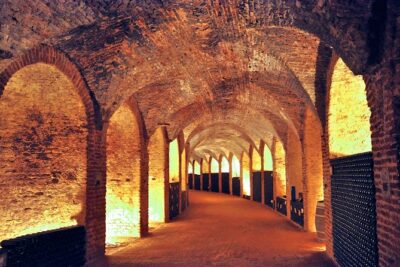
This is the stop that tends to stick in your memory. The winery 2 visit is family-operated, and you get a chance to walk beneath the vineyard. That detail changes the whole vibe from an ordinary tasting room day, because you are physically moving into the underground cellar area. You then taste wine directly from the barrel.
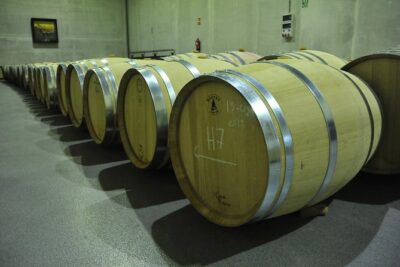
That barrel-level tasting is one of the most concrete ways to understand wine production as a process rather than a finished product. The experience is not only visual. It is sensory and immediate. Then the visit continues with a tasting of wine paired with cheese.
I like that the day does not just throw you “one more tasting.” This stop pairs architecture (underground cellar), production (barrel tasting), and food (cheese pairing). It is a layered learning moment that makes the wines feel connected to place and method.
The only downside is simple: you might want to slow down and take notes, because barrel tastings can be intense. If you are the type who gets overwhelmed by too much in one day, you may benefit from asking your guide to repeat key explanations as you go.
Lunch between the vines: lechazo or a picnic choice

Lunch is built into the middle of the wine circuit, and you get a choice before you travel. You can pick a traditional lunch including lechazo (suckling lamb), or you can choose a picnic between the vines.
This choice is practical, not just decorative. If you want a sit-down meal, the lechazo option keeps the day structured and familiar. If you want a lighter, outdoors meal, the picnic can feel more like a pause that still keeps you in the region’s rhythm.
Either way, lunch is included. The schedule also gives lunch its own block of time, so you are not using lunch as a quick stop-and-run. For a wine day trip, that matters. If you have ever been on a tour where lunch is a rushed sandwich, you know it can ruin the mood.
One planning note: decide your preference ahead of time, since the operator asks you to confirm which lunch option you want before traveling. If you wait too long, you risk losing the chance to choose what fits your day.
Winery 3 and the independent winemaker perspective

The third stop shifts again. Instead of a larger company or a classic family cellar setup, you meet an independent winemaker in his winery. The point here is smaller productions, which is a different kind of learning experience than production scale.
You see how smaller production works, and you taste a variety of wines. This stop is often where the day feels most personal, because independent operations tend to come with more direct access to decision-making, constraints, and style.
I also like that the visit is timed well. It is a shorter stop, around one hour, which helps you keep energy for the drive back. By this point, you have already tasted and compared earlier wineries, so the variety tasting here becomes a real wrap-up of your day’s learning rather than a final stop tacked on at the end.
The drive through the region, and what to do with your time

Both the outbound and return drives are about two hours. In practice, that is enough time to relax, snack, and let the morning settle. One review highlight described the drive as beautiful, with scenery that made people feel like they were passing through countryside they recognized.
If you want to make the most of the ride without turning it into a chore, bring something simple: water, a layer for early-morning cool, and maybe a notepad so you can jot down what you liked at each tasting. By the time you get to the second and third winery, you will be glad you have a quick memory trigger.
Also, since you are in a small group and the day is guided, it helps to ask questions during the drive when it is quieter. Michael’s style is set up so your questions can fit naturally into the flow, not interrupt it.
What you learn tasting three wineries (and why it feels balanced)

This tour earns its value by using three wineries as a lesson plan. Stop 1 gives you a broad framework: vineyards and the grape cycle, then winemaking processes, then tasting three wines with snacks. Stop 2 adds tactile detail: underground cellar access, walking beneath the vineyard, barrel tasting, then a cheese pairing. Stop 3 finishes with a production contrast: an independent winemaker setup and tasting a variety of wines.
That progression matters because you learn how the same region can show up differently depending on production choices and scale. You also learn how to taste with context. You are not swirling wine in a vacuum. You are tasting with the story of how the wines are made and stored in mind.
Michael also plays a role here. Across the experiences described, he is patient with questions and does not rush people. That helps you take in details, especially if you are newer to wine or just want to ask basic, no-ego questions.
Group size, pace, and who this tour is best for
This is a small-group tour with a maximum of 8 travelers. That limit is a practical advantage. You can usually ask questions without fighting for attention, and the tour avoids the feeling of being herded like cattle through a schedule.
The pace is friendly for most people. The tour runs about 9 to 11 hours, includes multiple guided segments, and does have structured tastings. If you are sensitive to long days, you should treat this as a full-day commitment, not a quick afternoon diversion.
This is especially a good match for:
- First-timers who want an educational day without needing to pretend they already know everything
- Food lovers who care about pairing, especially the cheese pairing and lechazo lunch option
- People who like small groups and want time for questions
- Travelers who want a guided day trip from Madrid without the headache of arranging transport
Price and value: what $475.89 buys you in real terms
At $475.89 per person, you are paying for more than a ride and a tasting flight. The structure includes door-to-door pickup, a long Madrid to Ribera del Duero drive, and multiple winery visits where admissions for key parts are included. Tastings are included at winery stops 1, 2, and 3, and lunch is included with your choice of lechazo or picnic.
So what makes it feel like value is the “all-in” nature of the day. You are buying time, access, and guided learning. Instead of piecing together separate winery appointments, you get one plan that moves you between different types of wineries with a guide who can explain what you are seeing.
You also get the comfort of mobile tickets and group discounts (details not listed, but it is part of the offering). And with a maximum of 8 people, you are less likely to feel like you are standing in a crowd while trying to ask a question.
If your budget is tight, this may still feel steep. But if you want a guided, structured day with real cellar access and multiple tastings, the price starts to make sense quickly.
Should you book this Ribera del Duero tour?
If you want a single, organized wine day from Madrid where you taste in context, I think this is an easy yes. The biggest reasons: the three winery contrast, the hands-on stop 2 details (including barrel tasting and underground cellar access), and the lunch choice that keeps the day from feeling like a long tasting marathon.
I would book it if:
- you want hotel pickup and a small-group day
- you like learning how wineries work, not only tasting the end result
- you are happy to commit to a longer day starting at 7:30am
I would hesitate if:
- you cannot handle early starts or long driving days
- you prefer totally independent planning, where you can slow down or change stops without a set structure
- you are very sensitive to wine tastings and might prefer fewer tastings, because this day is built around them
If your goal is a memorable, educational Ribera del Duero day without the stress of planning the route, this tour fits the bill.
FAQ
What time does the tour start?
The start time is 7:30am in Madrid.
Do you pick up travelers from their hotels or accommodations?
Yes. Pickup is offered from your hotel or accommodation, and the arrangements are made no later than the day before.
How long is the Ribera del Duero tour?
The duration is listed as 9 to 11 hours, approximately.
How many wineries are included?
You visit three wineries in Ribera del Duero, plus a lunch stop in between.
What lunch options are available?
You can choose a traditional lunch that includes lechazo (suckling lamb) or a picnic between the vines.
What tastings are included during the winery visits?
At winery stop 1, you get a tasting of three wines with snacks. At winery stop 2, you get a tasting of wine paired with cheese, and at winery stop 3, you taste a variety of wines.
What is the maximum group size?
The tour has a maximum of 8 travelers.
Is the tour offered in English, and do you get a mobile ticket?
Yes. It is offered in English, and you receive a mobile ticket.
Are service animals allowed, and is there free cancellation?
Service animals are allowed. Free cancellation is available up to 24 hours in advance of the experience for a full refund.
More Tours in Madrid


More Tour Reviews in Madrid

Madrid by the glass

Fresh ways to see Madrid
- Tour to Toledo & Madrid CitySight Seeing Tour
- 2-Day Guided Tour to Cordoba and Seville from Madrid
- Private Transfer from Madrid Airport to Madrid Hotels
- Wine Tasting and Flamenco Master Class in Madrid
- Prado Museum and Royal Palace Private Tour in Madrid
- Monastery Royal Barefoot Visit with entrance without waiting for queues
More ways into Madrid Wine Tastings & Winery Trips
 ★ 5.0Toledo Tour & Vineyard Walk with Wine Tasting from MadridFrom $1332,546 reviews
 ★ 4.8Tapas & Wine Tasting Tour with Local GuideFrom $912,171 reviews
 ★ 5.0Madrid Tapas & Wine Tour with Rooftop Views and Local GuideFrom $1132,047 reviews
 ★ 5.0Madrid Countryside Wineries Guided Tour with Wine TastingFrom $175740 reviews
 ★ 4.8Guided Tapas and Wine Tour with Terrace VisitFrom $106566 reviews
 ★ 5.0Ribera del Duero Wineries Guided Tour & Wine Tasting from MadridFrom $223328 reviews
 ★ 4.5From Madrid: Toledo Tour with Wine Tasting and 3 MonumentsFrom $62267 reviews
 ★ 5.0Not Just Another Tapas & Wine Tour by Eating EuropeFrom $117244 reviews
Try another angle on the same itinerary