

REVIEW · PRADO MUSEUM GUIDED TOURS
Prado Museum (Madrid): Private visit with art expert
The Prado clicks when someone explains the paint. This private art expert tour uses a guide to turn museum wall-text into real meaning, and it’s built for your questions and your pace, plus skip the ticket line so you spend less time queued and more time looking. You might meet guides such as Amanda, Carlos, Enrique, Juan, Stefy, or Alex, and the common thread is clear explanations that make major works feel readable.
You also get a sweep across 700 years of European art, with an emphasis on the big names you came to see, like El Bosco, Dürer, El Greco, Rubens, Titian, Tintoretto, Velázquez, and Goya. One possible drawback: photography is not allowed inside, so you’ll want to plan on taking notes if you like to remember details later.
Key takeaways before you go

- Personalization that changes the route based on what you care about most
- 2 hours with a real art expert, not a rushed highlight run
- A historical arc from the 12th to the 19th centuries, with major artists tied to that evolution
- Queue help for smaller private groups, including skipping longer waits
- No photos inside, so the guide’s explanations matter even more
Stay on the Paseo del Arte with another Prado route
- Madrid: Prado Museum Entry Ticket★ 4.6 · 17,509 reviews
- Madrid: Small Group of Prado Museum Tour & Optional Tapas★ 4.6 · 2,437 reviews
- Madrid: Prado Museum Guided Tour with Skip-the-Line Ticket★ 4.5 · 2,018 reviews
- Madrid: Prado Museum Guided Tour With Fast Access★ 4.8 · 1,785 reviews
Why a private Prado tour feels different than doing it alone

The Prado is one of those museums where you can wander for hours and still feel like you only skimmed the surface. The difference here is simple: you’re not just looking, you’re being taught how to look. A specialized art guide connects each work to the bigger story of European art, then adjusts the stops depending on what pulls you in.
I like that the guide can flex. You can ask more, slow down, or ask a totally different question if something catches your eye. That matters at the Prado because the museum is dense, and a 2-hour visit can either feel scattered or feel focused, depending on who’s guiding the experience.
There’s also a practical mindset built in: you’re not left to figure out everything on your own. The guide is there to point out the “why” behind the “what,” from the choices artists made to how tastes and techniques changed across centuries.
The 12th to 19th centuries plan, and why it helps your brain
A lot of Prado visits end up as a list of famous painters. This one is structured as an evolution of European art from the 12th to the 19th centuries, so you start seeing patterns instead of isolated masterpieces.
What that means for you in plain terms:
- You’ll connect medieval and early religious art to later Renaissance and Baroque styles.
- You’ll see how realism, perspective, dramatic lighting, and human expression gained new tools over time.
- You’ll understand why an artist like El Greco doesn’t just look strange, he reflects a moment with its own logic.
The museum’s strength is that it covers centuries of shifting ideas. When your guide explains what changed and why, the Prado stops being overwhelming. It becomes a timeline you can follow with your eyes.
And because the guide adapts to your interests, you might spend more time on the painters that speak to you most. If your priority is dramatic emotion, you’ll likely get more attention toward works associated with later European painting. If you’re more curious about technique or religious symbolism, the guide can steer you there.
Meeting at Goya and getting your bearings fast

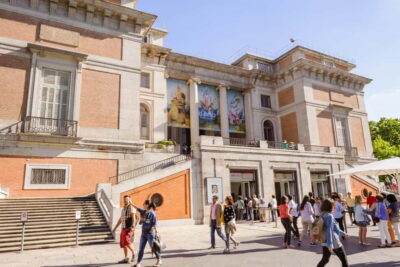
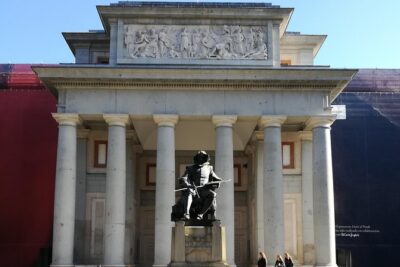
Your guide meets you at your chosen time at the monument to Goya, in front of the ticket office of the Prado Museum. This is a good setup because it gets you oriented right away, without a scramble.
There’s also a neat backdrop to your arrival. The meeting area sits near the Prado’s outside setting called the Landscape of Light, a UNESCO World Heritage Site tied to Carlos III, and it’s the kind of detail that makes your museum day feel more than just inside walls.
Even if you’ve been to Madrid before, this “arrive, orient, then enter” rhythm helps. You walk in with context, not just a ticket in your hand.
Another Madrid route worth weighing up


Skipping queues and choosing the fastest entrance
Nobody enjoys standing still when the whole point is to get to art. This tour uses the fastest entrance depending on the size of your group, and it includes skip-the-ticket-line access.
There’s an extra advantage for smaller private groups. If you’re traveling with up to 7 people, the tour can help you avoid the longer waits that bigger groups have to endure. If you’re sensitive to crowds, that alone can make the Prado feel calmer.
In a museum as big as the Prado, time saved at the entrance can be the difference between seeing a handful of works thoughtfully or only skimming them while you’re trying to beat the clock.
Inside the Prado: what the guide will actually help you notice
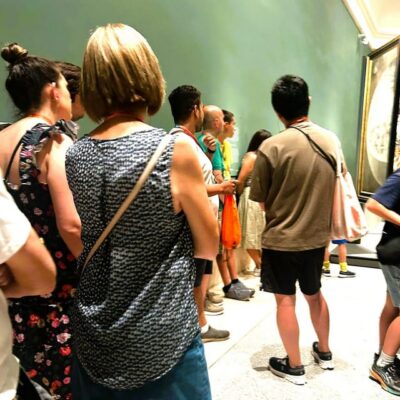
Once you’re in, the guide leads a 2-hour walkthrough focused on the evolution of European art across the centuries, using major artists as anchors. The tour highlights names like El Bosco, Dürer, El Greco, Rubens, Titian, Tintoretto, Velázquez, and Goya.
Here’s how a good expert turns that list into something you can use:
El Bosco, Dürer, and the “how symbolism works”
If you’ve ever wondered why older paintings feel packed with meaning, this is where the guide’s approach matters. You’re not just told the subject. You’re guided to notice how images act like a code, where details often carry messages tied to the period’s beliefs and visual language.
El Greco and the logic of style
El Greco can look different from what you expect, and a private guide helps you stop judging it as weird and start understanding it as intentional. You’ll connect style choices to the context that shaped what artists were trying to express.
Rubens, Titian, Tintoretto: movement, power, and paint handling
For the Renaissance and Baroque shift, you’re likely to see how artists pushed energy into composition. The guide can help you spot how figures are arranged, how motion is suggested, and how color and lighting guide your eye.
Velázquez and Goya: the modern feeling that sneaks in
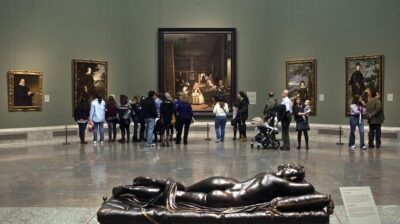
These two names matter because they bring you closer to the psychological edge of later art. Velázquez often rewards careful looking, because small choices can change how you read a scene. Goya is the one many people remember after the visit because his work can feel blunt, human, and immediate compared to earlier centuries.
Across all these stops, the guide’s job is to uncover what’s hidden in the works. That can mean symbolism, technique, and the reasons certain images became so influential.
Personalization in practice: tell your guide what you want, then steer

The tour is explicitly built around your interests. Before you start, you can tell the guide what you want most, whether that’s certain artists, religious themes, portraiture, history in art, or how European painting developed over time.
What I like about this is that it doesn’t feel like a rigid script. The guide can give more interaction if you want it, or keep things moving if you prefer a tighter pace. If something grabs you, you can ask for extra context and spend more time with it.
This is also where meeting the right guide matters. Different guides have different teaching styles, and the experience gets shaped by that. In the Prado’s case, clarity and promptness are big deals because you’re trying to absorb centuries of change in a short window.
Timing inside the museum: a calm way to see more
Two hours at the Prado can be either rushed or satisfying. The private format helps it stay satisfying because you’re not waiting for a group pace. You can see works at your own pace, and your interaction level with the guide is up to you.
There’s also a useful rule of thumb: since photography isn’t allowed inside, you’ll rely on your guide’s explanations and your own notes. If you love capturing details, switch your mindset from camera to notebook. That’s the difference between leaving the Prado with a blur of impressions and leaving with a few works you truly understood.
After your 2-hour guided visit
When the guided portion ends, you may have the option to stay in the museum on your own. This option is available for groups of 7 people or less, and you can get recommendations for what to target next.
I like this structure because it gives you two modes in one day: guided learning first, then personal exploration while the museum makes more sense.
Price and value: $136 per person, and when it’s a smart buy

$136 per person for a 2-hour private tour isn’t cheap, but it can be excellent value at the Prado. Here’s why.
First, you’re paying for time with a specialized art guide plus museum entry included in the price. Second, you’re buying focus. The Prado is too big for most people to “get it” in a short free-form visit, especially if you want the why behind the art.
So this is a good value if you fall into one of these categories:
- You want context, not just famous names
- You have limited time in Madrid and want your visit to feel complete
- You feel overwhelmed by museums and want a clear path
- You want mobility help and an efficient route through the space
It’s less of a value if you already feel comfortable navigating European art history on your own and you just want to roam. In that case, a self-guided visit might be better.
What kind of traveler should book this Prado private visit
This tour fits best when you want the Prado to make sense, quickly. It’s also a strong choice for people who want to ask questions without worrying about holding up a group.
I’d especially recommend it if:
- You’re visiting the Prado for the first time and want an art-historical through-line
- You care about specific artists named above and want help connecting them to their eras
- You have mobility needs, since the guide is able to help you get around and keep the experience comfortable
Because it’s private, it also works well if your group has mixed interests. One person might want more time with later masters, another might be drawn to earlier symbolism, and the guide can adapt.
Practical notes that can affect your experience
A few rules and realities to know up front:
- Photography inside the museum is not allowed, so plan to take notes if you want reminders.
- The tour is offered in English and Spanish.
- The tour is private, and group size matters for both crowd management and the option to stay after the guided portion.
- Transportation is not included, so you’ll want to handle getting to the meeting point on your own.
If you’re the type who likes to prepare, think about what you most want answered. A short list of questions before you meet the guide can make the tour feel like it was tailored even more.
Should you book the Prado Museum private visit with an art expert?
Yes, if you want a guided Prado that feels like learning, not just sightseeing. This tour is designed to connect European art from the 12th to the 19th centuries, using major masters you recognize and giving you a way to understand what you’re seeing as you see it.
Book it if you value personalization, a focused 2-hour plan, and expert interpretation that helps you notice what matters. Skip it only if your priority is wandering without structure, or if you know you already don’t care about art context.
If you’re ready to turn the Prado into a clear story you can follow, this private format is one of the most efficient ways to get there.
FAQ
How long is the Prado Museum private visit?
The guided visit lasts 2 hours.
How much does it cost?
The price is $136 per person.
Where do we meet the guide?
You meet at the Monumento a Goya, in front of the Prado ticket office.
Does the tour skip the ticket line?
Yes, the experience includes skip-the-ticket-line access.
What languages are available for the guide?
The live guide is available in English and Spanish.
Is photography allowed inside the museum?
No, photography inside the museum is not allowed.
What’s included in the price?
Included are the specialized art guide, entrance fees and taxes (including fees and management fees). There is also an option to stay at the museum after the tour for groups of 7 people or less.
Can we stay in the museum after the guided portion?
Yes, if your group is 7 people or less, you can stay after the visit and receive recommendations.
Is the museum visit wheelchair accessible?
Yes, the tour is wheelchair accessible, and the museum is wheelchair and stroller accessible.
Is there a cancellation option?
Free cancellation is offered up to 24 hours in advance for a full refund.
More Private in Madrid



More Tour Reviews in Madrid



The Prado, room by room


Fresh ways to see Madrid
- Tour to Toledo & Madrid CitySight Seeing Tour
- 2-Day Guided Tour to Cordoba and Seville from Madrid
- Private Transfer from Madrid Airport to Madrid Hotels
- Wine Tasting and Flamenco Master Class in Madrid
- Prado Museum and Royal Palace Private Tour in Madrid
- Monastery Royal Barefoot Visit with entrance without waiting for queues
More ways into Prado Museum Guided Tours
 ★ 4.6Prado Museum Entry TicketFrom $2117,509 reviews
 ★ 4.6Small Group of Prado Museum Tour & Optional TapasFrom $532,437 reviews
 ★ 4.5Prado Museum Guided Tour with Skip-the-Line TicketFrom $462,018 reviews
 ★ 4.8Prado Museum Guided Tour With Fast AccessFrom $281,785 reviews
 ★ 5.0Prado Museum Small Group Tour with Skip the Line TicketFrom $541,738 reviews
 ★ 4.5Royal Palace & Prado Museum Skip the Line Guided TourFrom $821,347 reviews
 ★ 3.6Prado Museum Ticket with In-App Audio GuideFrom $351,154 reviews
 ★ 4.5Prado Museum Guided Tour with Skip-the-Line TicketFrom $451,146 reviews
Try another angle on the same itinerary