

REVIEW · GHOSTS, LEGENDS & INQUISITION WALKS
Madrid Oscuro: Torture, Ghosts, Crimes and Legends
Madrid turns spooky on foot. This 2h25 English walk ties ghost stories and true crime to real landmarks, with a guide who keeps the energy up and the group engaged, often with theater-style flair from guides like David and Paul. I also love the printed story tools that help you follow along without getting lost in the dark details.
The main drawback is simple: it is an outdoor walk with some heavy themes, so dress for cool evenings and decide if your group is in the mood for creepy history.
Key highlights to expect

- A story-driven route through major Madrid landmarks, not just a single “haunted block.”
- Ghost + crime + Inquisition-era lore, mixing paranormal mood with real places and reputations.
- Guides with performance energy, including actors and reenactment styles noted by multiple guides like David and Paul.
- Short stops where you get the point fast, then move on, which helps the 2h25 timing feel easy.
- Printed materials and teaching tools, plus a link for personalized Madrid recommendations after the tour.
Turn down Madrid's darker lanes
- Madrid: Spanish Inquisition and Legends Evening Walking Tour★ 4.7 · 1,396 reviews
- Madrid Oscuro: Torture, Ghosts, Crimes and Legends★ 5.0 · 1,363 reviews
- Madrid: Entry Ticket to Legends The Home of Football Museum★ 4.7 · 563 reviews
- Evening Walking Tour: Spanish Inquisition & Legends of Old Madrid★ 4.5 · 311 reviews
What Madrid Oscuro sets out to do on your walking tour
This tour is for people who like Madrid a little darker than the usual postcard version. You’ll hear ghost sightings, unexplained legends, and true-crime style stories that connect to places you can actually stand in front of, from big public squares to quieter church corners.
I like that it is not only “spooky for spooky’s sake.” The guide frames stories as a mix of folklore, crime lore, and cultural fear from earlier times, which makes the walk feel like a guided urban mythology rather than just random jump scares. If you want a normal history lecture, this may feel too theatrical. If you want Madrid with a twist, it fits.
Price and what you actually get for $3.62 per group
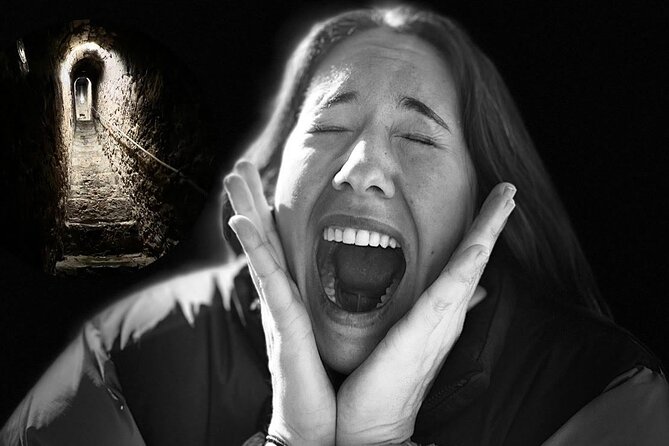
The price shown is $3.62 per group (up to 15), which is unusually low for a 2h25 guided evening in central Madrid. The big value here is what comes with it: a local guide, plus printed material and teaching tools during the route, not just a talk at you while you walk.
Two practical money notes. First, entrance fees are not required for the stops listed, so you are not paying extra to “unlock” the tour. Second, the tip for the guide is not included, and it is given at the end, so plan a few extra euros or cash.
If you’re thinking of “is this worth it compared to the normal tours,” I’d say yes, because you’re paying for story craft and street-level pacing more than you’re paying for museum time.
Where the tour goes, and how the route timing feels
You meet at Plaza Mayor in the Centro area and end at Plaza de Oriente, near the Royal Palace area. The walk runs about 2 hours 25 minutes, with short stops built in, so you are never stuck in one place for too long.
Group size is capped at 26 travelers, which helps keep the guide from becoming a distant voice. It’s also sold as mobile ticket friendly, and it’s offered in English. Since it’s near public transportation and service animals are allowed, it’s fairly easy to fit into a typical Madrid day or night.
One reality check: most of the tour is outside. A reviewer advice that matches what you’ll feel on the ground is to dress warm, especially if you’re going later in the evening. If you get cold easily, that matters more than the story content.


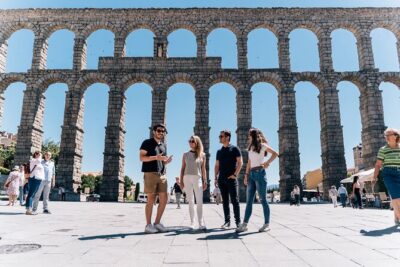
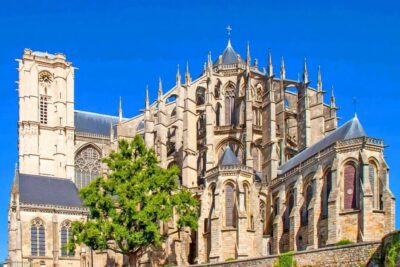

Stop 1: Plaza Mayor, where the story stage is set
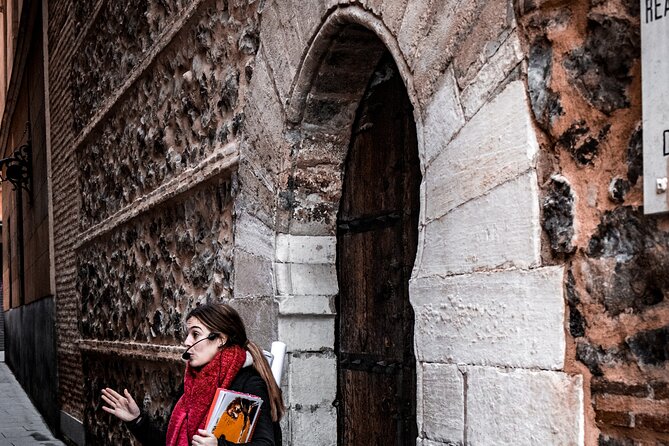
Plaza Mayor is the obvious start point, and that’s a good thing. It gives you a wide open space where the guide can set the tone, explain how the legends connect, and get your group ready for the darker theme before you head to smaller, more atmospheric streets.
This stop is listed as your meeting point and has free admission ticket. Translation for you: you can arrive early, orient yourself, and settle in without paying anything extra just to stand there.
Drawback? Because Plaza Mayor is busy, you might feel the crowd noise around you. It doesn’t ruin the tour, but it can make the first few minutes feel a bit like you’re starting a play in a city square. If you want maximum focus, arrive on time so the guide can hook the group fast.
Stop 2: Iglesia de Santa Cruz, the cursed church mood

Next you move to Iglesia de Santa Cruz, described as the cursed church. This is where the tour starts leaning more into atmosphere. You’re not just looking at a building, you’re being guided to notice details that support the story mood the guide is building.
This stop is about 10 minutes and listed as free for the admission ticket. That’s helpful because you’re not forced into a long break or a paid interior detour to keep the pacing.
A balanced way to think about this stop: some parts will be legend-heavy, and some will be presented as crime or cultural fear. If you like urban storytelling, it’s compelling. If you want hard evidence and only verifiable facts, you may find some of it more “tradition” than proof. Still, the guide structure helps you enjoy it as a guided walk through local lore.
Stop 3: Pasadizo del Panecillo, the Alley of Hunger

Then comes a change in scale. Pasadizo del Panecillo, the Alley of Hunger, is a narrower kind of space, which automatically makes ghost and crime stories feel more believable. In a tight alley, even mild sounds and echoes feel like part of the scene.
You’ll spend around 15 minutes here, and it’s listed with free admission ticket. That means it’s a pure storytelling stop, not a “pay and then see” stop. For value, that’s great. You get narrative time without extra costs.
Possible drawback: narrow streets mean you’ll likely be standing close to other people. If your group prefers wide personal space, keep that in mind. Also, the alley setting can make it feel darker even in daylight, so if you’re sensitive to spooky atmospheres, this stop may be the one that affects you the most.
Stop 4: Plaza del Conde de Miranda, Raimundita’s ghost
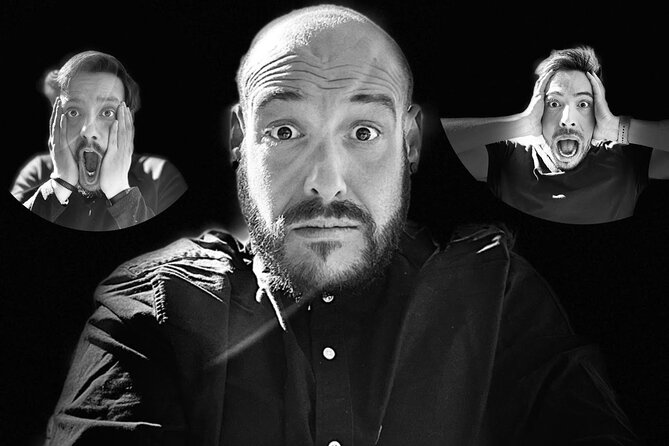
At Plaza del Conde de Miranda, the tour turns toward a specific ghost story: Raimundita’s ghost, along with an angle involving the Apostolic Nuncio. This is a great example of how the walk uses named legends to keep the themes from feeling generic.
The stop is about 10 minutes and listed as free admission ticket. Again, this matters for pacing. You get a focused story, not a long wait, and then you move on while the group’s attention is still sharp.
A consideration here is that ghost stories work best when you’re open to interpretation. You might treat Raimundita’s tale as folklore, or you might enjoy it as a cultural artifact showing how fear moves through a city. Either way, don’t expect the kind of “final answer” you get from a museum label. This is about meaning, setting, and narrative momentum.
Stop 5: Accidente Aereo, Fallen Angel and dark rites talk

The route then heads to Accidente Aereo, a stop labeled with Fallen Angel and satanic rites in Madrid. This is one of the more intense themed stops, and it’s likely to be the one that makes you pause and listen more carefully.
You’ll spend about 15 minutes here, with free admission ticket. The “no extra fees” part is nice, but it also means the impact of the stop depends on the guide’s delivery. The review patterns for this tour are strong on performance energy, with guides praised for making stories come alive, sometimes with acting.
Possible drawback: if you’re traveling with people who are uncomfortable with religious or satanic themes, you may want to mentally check in with the group before this stop. The tour is rated highly overall, and it’s enjoyed by teenagers in some cases, but comfort is personal.
Stop 6: Calle Mayor, another chapter of Fallen Angel lore
After Accidente Aereo, you continue to Calle Mayor, listed again with Fallen Angel and satanic rituals. This repetition is intentional. The guide is building a theme, then reinforcing it in a more public street setting.
Stop time here is about 10 minutes, and it’s free for the admission ticket. Calle Mayor is a major street, which makes it feel less like a hidden scene and more like a story you can imagine spilling into everyday life. That contrast is actually part of the value. You get dark lore in both quiet-feeling spots and normal high-traffic streets.
Practical drawback: because it is a busy street, you may hear more city noise during this stop. I’d treat this as the “listen and catch the key points” moment, not as a perfect quiet listening session.
Stop 7: Santiago y San Juan Bautista, Captain Sanchez’s crime
Next is Real Iglesia Parroquial de Santiago y San Juan Bautista, tied to the theme Crime of Captain Sanchez. This is the stop where the tour leans into the crime angle more directly. You’re still in church territory, but the story focus shifts toward alleged wrongdoing and local criminal legend.
You’ll get about 10 minutes here, with free admission ticket. As before, it’s a short, story-forward stop. The benefit of that format is you stay engaged, and you’re not forced into long pauses in cold weather.
Balanced advice: treat this like guided storytelling around a named incident or legend, not like a courtroom transcript. The guide’s job is to connect the story to the location and to explain why it stuck in Madrid. If you enjoy that type of narrative history, you’ll likely rate this stop highly.
Stop 8: Plaza de Oriente, the Vallecas file and an old cemetery mention
The tour ends at Plaza de Oriente, listed with the Vallecas file and a note about it being the first cemetery in Madrid. This is a thoughtful final stop because it gives a darker, more grounded historical flavor before you leave the tour.
You’ll spend about 10 minutes here, again with free admission ticket. And because Plaza de Oriente is close to major royal-area sights, you get an easy transition point. After the tour ends, you’re positioned well for a normal Madrid walk right after your spooky one.
A practical consideration: after a story-heavy route, you might want to give yourself a few minutes at the end to reset. Plaza de Oriente is a fine place to do that because you’re near recognizable landmarks and you can quickly decide what to do next.
How the guide makes or breaks the spooky factor
For me, the best part of this kind of tour is the guide’s timing and performance. The strongest feedback patterns for this experience praise guides who keep the group engaged, sometimes acting out characters, and doing it in a way that makes facts and lore easier to follow.
Names that come up in the guide praise include David (and the David nickname around reenactment), Jacquelyn (for interactive storytelling), Iñigo (energetic and engaging), Jose (with an entertaining, knowledgeable style), Paul (with reenactments that keep you laughing and listening), and Lidia (for making the experience fun and interactive). There are others too, but those stand out in the feedback.
What you should take from this as a traveler: if you’re booking for the “dark stories,” you’re also booking for stagecraft. Read the tone you like in a guide, and then go for it. If your group hates theater energy, you may still enjoy the route, but you might prefer a different style of guided history.
What to do before and after the tour for best value
Because there are no entrance fees required at the listed stops, you don’t need to plan around ticket lines for this experience. What you should plan around is comfort and timing.
Before you go:
- Wear shoes you can walk in for a couple of hours.
- Bring a layer, even if Madrid seems mild earlier.
- Arrive with a little curiosity. The tour moves fast between story beats.
After you finish at Plaza de Oriente, I suggest using the included recommendation link. The tour includes a link for personalized Madrid ideas and you also get personalized attention from your guide after the tour. That’s a real value add, because it turns the spooky evening into a smarter next day.
Should you book Madrid Oscuro?
Book it if you want a low-cost, guide-led ghost and crime walking experience with short stops, a lively route, and story energy that makes Madrid feel mythic. The setting is strong, the pacing works, and the practical value is good since admission fees are not required at the stops.
Skip it or choose carefully if your group hates dark religious themes or wants a traditional museum-style approach where everything is strictly proven and politely neutral. Also, if cold weather hits you hard, plan your clothing like it’s a real evening out, not a quick stroll.
If you’re on the fence, think of it this way: you’re not buying a building ticket. You’re buying a guide who turns city corners into a story you can walk through.
FAQ
How long is the Madrid Oscuro tour?
The tour runs about 2 hours 25 minutes.
Where does the tour start and end?
It starts at Plaza Mayor (Centro, Madrid) and ends at Plaza de Oriente (Centro, 28013 Madrid), near the Royal Palace.
Is the tour offered in English, and do I get a mobile ticket?
Yes, it is offered in English, and it includes a mobile ticket.
What is included in the tour price?
It includes a local guide, printed material and teaching tools throughout the route, and a link for personalized recommendations after the tour.
Are entrance fees required for the stops?
No entrance fees are required for the sites on this route, and entrance fees are listed as not included, since they are not required.
Is the tip included?
No. The tip to the guide is not included, and it is given at the end of the tour.
How many people are in a group, and what about cancellation?
The tour has a maximum of 26 travelers. You can cancel for a full refund up to 24 hours in advance.
More Tour Reviews in Madrid


Legends beneath the streetlights




Fresh ways to see Madrid
- Tour to Toledo & Madrid CitySight Seeing Tour
- 2-Day Guided Tour to Cordoba and Seville from Madrid
- Private Transfer from Madrid Airport to Madrid Hotels
- Wine Tasting and Flamenco Master Class in Madrid
- Prado Museum and Royal Palace Private Tour in Madrid
- Monastery Royal Barefoot Visit with entrance without waiting for queues
More ways into Ghosts, Legends & Inquisition Walks
 ★ 4.7Spanish Inquisition and Legends Evening Walking TourFrom $231,396 reviews
 ★ 4.7Entry Ticket to Legends The Home of Football MuseumFrom $21563 reviews
 ★ 4.5Evening Walking Tour: Spanish Inquisition & Legends of Old MadridFrom $24311 reviews
 ★ 4.7Toledo: Mysteries and Secrets Tour in SpanishFrom $14106 reviews
 ★ 5.0Inquisition, The Executioner, Witches, Expulsion Jews and MuslimsFrom $385 reviews
 ★ 4.52-Hour Tour of the Madrid of MysteriesFrom $1475 reviews
 ★ 5.0Medieval Madrid: Discover Legends & HistoryFrom $267 reviews
 ★ 4.5Night Walking Tour of Toledo to learn about Secrets and LegendsFrom $1056 reviews
Try another angle on the same itinerary