
REVIEW · DESSERT TOURS
KAICAO bean to bar and design your chocolate experience
Chocolate has a backstory worth tasting. In Madrid, KAICAO Fábrica de chocolate shows you how cocoa becomes bars, with an English guide and plenty of tasting in a small urban factory setup.
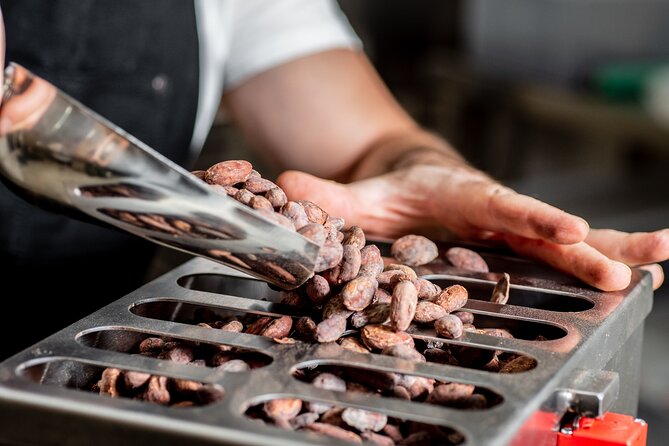
I love the step-by-step focus, especially the moment you taste after the roasted cocoa beans get shelled. I also love the ending lineup, which includes their 65% Dark Arabica Coffee Chocolate and Cardamom starter and other fine-cocoa products.
One consideration: it is a short, 90-minute format, and you are paying for the guided process and samples, not a long, full-day tour.
Key highlights at a glance
- Bean-to-bar, end-to-end: from cocoa fruit and harvest steps to roasting, shelling, and finished chocolate.
- Taste as you go: you sample roasted cocoa after shelling, plus multiple products at the end.
- Small group size (max 10): easier questions, less waiting, more time for your own pace.
- Flavor-focused roasting profiles: you learn how seed selection and roasting choices shape what you taste.
- Family-friendly chocolate culture: the vibe works well for both kids and adults.
- Options for different diets: you may find sugar-free options and vegan choices, with a note that some use camel milk.
Another Madrid route worth weighing up
- Pub Crawl Madrid by Mad Party Crew★ 5.0 · 2,526 reviews
- Madrid: Guided Pub Crawl Madrid Experience and Club Entry★ 4.8 · 1,849 reviews
- Madrid: Pub Crawl Madrid Running since 2005 Bar Exploration★ 4.1 · 221 reviews
- Madrid: Top Pub-Crawl with Drinks and Nightclub Entry★ 4.8 · 195 reviews
Bean-to-bar in Madrid, where cocoa turns into chocolate bars
If you think chocolate just happens, this tour corrects that in the best way. KAICAO’s setup in Madrid is built around one idea: you can taste the decisions. And you do not just hear about those decisions, you get to experience them through tasting.
This is a 1 hour 30 minutes guided tour in English with a maximum group size of 10. It starts in Centro at C. de la Encomienda, 15, and it ends back at the same meeting point. The company uses a mobile ticket, and the meeting area is near public transportation, which matters because you will want to arrive without rushing.
Also, it is an air-conditioned stop. Madrid afternoons can get warm, and a cooler indoor chocolate session is a big quality-of-life win.
The 90-minute flow: what happens from cocoa to chocolate
This is a process tour, but it is not dry. The pacing stays simple: you learn the steps, you taste at key points, and you finish with a product tasting and the option to buy what you like.
You start with unroasted cocoa and learn about the cocoa fruit, including how cacao is harvested and what happens after harvest. That matters because chocolate quality depends on more than roast level, it also depends on how beans are handled before they ever hit the roaster.
From there, the tour shifts into KAICAO’s approach: how they select seeds and build roasting profiles designed for flavor. You then move into the roasted-bean stage and the “best thing” part, tasting after shelling.
Finally, the tour covers the rest of the steps needed to turn roasted cocoa into chocolate bars and other products. You end with tasting different fine-cocoa items, and you can purchase those products afterward.
Cocoa fruit and post-harvest steps: why this part matters
A lot of chocolate tours skip straight to roasting because it is the most dramatic stage. Here, you begin with the unroasted cocoa and the story of the fruit and the post-harvest process. That gives you a useful baseline.
Here is the practical takeaway: when you taste later, you will have a context for why two chocolates can taste completely different even if they both claim to be “dark.” The tour connects harvest and post-harvest decisions to the flavor you end up with, so your tasting is more like reading the ingredients of flavor rather than guessing.
You also learn about the cacao origins KAICAO uses in its urban chocolate factory. Even without a textbook, it helps you understand that “cacao” is not one thing. Origins and processing lead the flavor.
If you are a first-timer, this is the best way to get your bearings fast. If you already love chocolate, it still gives you an angle: roast profiles are not magic, they are tools used on specific beans.
Another Madrid route worth weighing up

Roasting profiles and seed selection: the flavor decisions you can taste
Roast level is what most people talk about. This tour goes further by explaining how seeds are selected and how roasting profiles are developed to bring out the best flavor.
Why should you care? Because roasting changes more than “how dark.” It affects aroma and how the chocolate tastes on your tongue. You learn that the roaster is shaping the final flavor, not just darkening cocoa.
This part also helps you appreciate what you might be buying later. When you taste products at the end, you will be better at describing what you like, whether that is nuttiness, fruitiness, deeper cocoa notes, or a smoother finish.
And yes, it stays grounded. It does not feel like a lecture for the sake of a lecture. The point is to connect the process to what you will taste next.
Shelling roasted cocoa and tasting: the most fun checkpoint
One of the tour’s smartest moments is the timing. After you see how roasted cocoa beans are shelled, you get to taste the cocoa at that stage. That is a rare chance to taste cocoa before it becomes a bar with added ingredients and textures.
This is where a lot of people start to understand flavor. Whole bars can hide details behind sweetness and fats. But tasting the cocoa as it sits in the process helps you notice what cacao itself brings to the party.
What I like about this checkpoint is that it creates a before-and-after feeling. You can taste the raw cocoa character first, then later taste finished chocolate products and compare. That comparison turns the tour into something you remember, not just something you passively watch.
If you have any sensitivities, take note that chocolate tasting is part of the experience. The tour includes samples, so you will want to plan accordingly if you are extremely cautious about sugar, caffeine, or dairy.
From roasted beans to chocolate bars: how the pieces get assembled
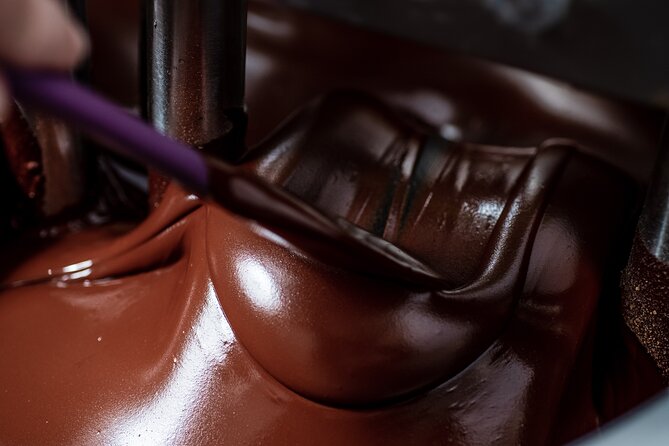
After shelling and tasting, you move through the rest of the process to turn roasted cocoa into chocolate. You see how the roasted cocoa becomes chocolate bars and other products.
This is where the tour earns its “bean to bar” name. It is not only about origins and roasting, it is also about the conversion steps that shape texture and final taste. You go from roasted cocoa to finished chocolate, which is the transformation most people only know as a finished product on a shelf.
For practical learning, focus on the logic of steps:
- roasted cocoa is about flavor development,
- then conversion steps are about getting from bean to bar structure,
- and the final formulation is what you taste in your last tasting round.
Because the tour ends with buying options, this section also sets you up to make better choices. When you understand how the product becomes itself, it is easier to pick something that matches your preferences.
The tasting lineup: coffee and cardamom plus other fine-cocoa products
The tour ends with tasting different products made with fine cocoa. One named item is the 65% Dark Arabica Coffee Chocolate and Cardamom starter, which gives you a clear idea of the style they use: cacao-forward, with flavor pairings that are not shy.
If you like coffee notes in chocolate, this starter is a strong sign you will enjoy their range. Cardamom adds a different kind of aroma, and the combination makes for a tasting experience that is more interesting than plain dark chocolate.
The tasting is also a chance to compare textures and flavor profiles across products from the same factory. That comparison matters because “fine cocoa” can mean different blends and roast approaches depending on what they are making.
And the best part for planning: you can buy the products at the end. So you do not have to guess what to bring home. You taste first, then decide.
Diet notes: sugar-free, vegan options, and who should ask first
Chocolate tours can be tricky if you are watching sugar or avoiding certain ingredients. KAICAO’s offerings include a mix of options that, based on available information, can include sugar-free choices and vegan options.
There is one important caveat: some items are noted as using camel milk, which affects vegan suitability. The good news is that at least some products are described as vegan-friendly, so you are not stuck with only one category.
If you have dietary restrictions, I recommend you go in with a quick plan. Ask what is safe for your needs before you commit to samples. This avoids surprises and lets you enjoy the tasting without stress.
Price and value: is 54.07 worth 90 minutes?
At $54.07 per person for about 1 hour 30 minutes, you are paying for a guided process and multiple tastings in a small group. You are not buying a huge amount of chocolate by default, but you are buying access to knowledge plus the chance to taste the steps.
So where does the value come from?
- You learn the whole flow, not only the fun part.
- You taste at least at the cocoa stage after shelling, and again at the end with several products.
- You get a chance to buy what you genuinely liked, which reduces guesswork.
Compared to tastings that focus only on the final bar, this tour gives you more “why.” That extra context can be the difference between buying something because it looks nice versus buying something because you know how it fits your taste.
Also, small group size matters. With max 10, you are less likely to get rushed through questions. That quality of experience is part of what you are paying for.
Who this tour suits best in Madrid
This is a smart fit for:
- chocolate lovers who want more than a basic tasting,
- families looking for a short, guided activity that does not feel like homework,
- anyone who wants to understand how roast and processing influence flavor,
- and people who like being able to buy the product after tasting.
It is less ideal for you if you want a long, free-form food crawl with lots of walking and separate venues. This is a focused factory experience, and it does not try to fill a whole day.
Because it is in English and most travelers can participate, it also works for visitors who are not comfortable with Spanish-only tours.
Getting there and making it work with your day
You start at 4:00 pm, and the tour ends back at the meeting point. That timing is convenient for people who want something calmer after a morning of sightseeing.
Since the meeting point is near public transportation, you can usually plan without needing a car. Still, I suggest showing up a few minutes early, because you want time to settle before tasting starts.
What to bring is simple:
- bring an appetite for tasting (you will be sampling),
- wear something comfortable for an indoor workshop,
- and if you are sensitive to strong flavors, think about pacing your sips and bites.
Finally, plan your shopping mindset. Since you can buy at the end, decide in advance whether you want one or two standout items or a bigger pack. Chocolate can add up weight fast.
Should you book KAICAO’s chocolate tour?
Book it if you want a hands-on, flavor-first chocolate lesson that ends with real product tasting and buying options. The combination of process explanations, bean-stage tasting after shelling, and the final lineup with items like the 65% coffee-cardamom bar makes it a tour that teaches and entertains.
Skip it if you prefer very long tours, or if you are only looking for a sit-down dessert stop with minimal learning. This experience is about how chocolate is made, not just about eating chocolate.
If your goal is to go home with better choices and a clearer sense of what you like, this is one of the best ways to do it in Madrid.
FAQ
How long is the KAICAO bean-to-bar and design your chocolate experience?
It is about 1 hour 30 minutes.
What time does the tour start in Madrid?
The listed start time is 4:00 pm.
Where is the meeting point?
The tour meets at C. de la Encomienda, 15, Centro, 28012 Madrid, Spain.
Is the tour offered in English?
Yes, it is offered in English.
What is the group size?
The tour has a maximum of 10 travelers.
What will I taste during the tour?
You will taste cocoa after roasted beans are shelled, and you will also taste different products made with fine cocoa at the end. One named sample is 65% Dark Arabica Coffee Chocolate and Cardamom.
Can I buy chocolate at the end?
Yes, the tour includes the possibility of buying the products after the tasting.
Do they offer options for vegans or sugar-free diets?
You may find sugar-free options and vegan options, with the note that some items use camel milk.
What is the cancellation policy?
You can cancel for a full refund up to 24 hours in advance. If you cancel less than 24 hours before the start time, you do not get a refund.
More Dessert Tours in Madrid


More Drinking Tours in Madrid



More Tour Reviews in Madrid

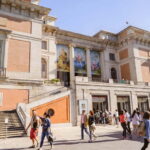


Fresh ways to see Madrid
- Tour to Toledo & Madrid CitySight Seeing Tour
- 2-Day Guided Tour to Cordoba and Seville from Madrid
- Private Transfer from Madrid Airport to Madrid Hotels
- Wine Tasting and Flamenco Master Class in Madrid
- Prado Museum and Royal Palace Private Tour in Madrid
- Monastery Royal Barefoot Visit with entrance without waiting for queues
More ways into Dessert Tours
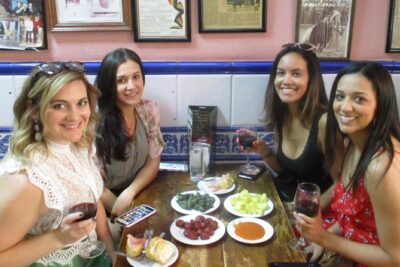 ★ 5.0Tapas and history tour ending with churros with chocolateFrom $102119 reviews
 ★ 4.91-Hour Segway Tour with Chocolate and ChurrosFrom $5265 reviews
 ★ 4.5Madrid Segway Tour with Chocolate and ChurrosFrom $5216 reviews
 ★ 4.52-Hour Patisserie Experience for Dessert LoversFrom $1208 reviews
 ★ 4.5KAIACAO Bean to Bar and Design your own chocolate experienceFrom $536 reviews
Try another angle on the same itinerary