

REVIEW · WALKING TOURS
Madrid: History of Tapas Walking Tour and Tasting
Tapas in Madrid is a full-on social sport. This tour turns that ritual into a guided walk through the old city and the San Miguel Market. I like how it mixes tapas history with real eating, and I love the small-group feel. One thing to consider: if a stop is delayed or a venue is closed, you may finish with a slightly different flow than you expected.
With a local guide, you’re not just sampling food, you’re learning why Spaniards do this. You’ll walk narrow streets, hit classic markets and local bars, and build the story behind the plates, including the tradition of going from place to place with friends.
You’ll get at least four tapas tastings plus a drink at each venue. The only drawback I’d flag is simple logistics, you’ll be moving for 2.5 hours, and the group size is capped at 10, so show up on time and come hungry.
Key things I’d bet on before you go

- Small group, up to 10 people, so the guide can actually talk to you at each stop
- San Miguel Market plus narrow old-street walking, so you get both food energy and street-level atmosphere
- Four tapas tastings with wine, beer, or a refreshment at each venue, so your money goes to eating, not just wandering
- Spanish food history stories like Alfonso X’s wine rule and the bread-and-ham fly-cover origin theory
- Local-only style stops, the kind you’re less likely to find solo when you’re trying to read menus in a hurry
Another Madrid route worth weighing up
- Toledo Tour & Vineyard Walk with Wine Tasting from Madrid★ 5.0 · 2,546 reviews
- Madrid Walking Tour from Puerta del Sol to Retiro Park★ 5.0 · 2,285 reviews
- Madrid Old Town & Royal Palace Walking Tour Skip the Line Ticket★ 4.5 · 1,829 reviews
- Madrid: Spanish Inquisition and Legends Evening Walking Tour★ 4.7 · 1,396 reviews
Tapas is a ritual, not a random snack

Madrid tapas has a rhythm. You eat standing, then you move, then you eat again. The point is not one perfect meal, it’s the whole afternoon or evening vibe, food plus conversation plus a little bit of people-watching.
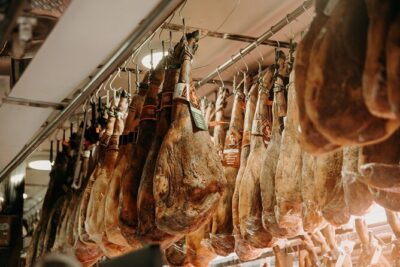
This is exactly why a guided history walk works. If you learn how tapas started, you stop treating it like a tourist activity. For example, there’s a story that King Alfonso X ordered that wine not be served unless it came with food. Another origin theory says bars covered glasses with bread or slices of ham to stop flies getting into drinks. Both versions point to the same idea: tapas grew out of practical daily life.
You’ll also hear the tradition is old, more than 300 years of Spaniards continuing the custom of dropping into small places and sharing plates with friends. That context matters. It makes the “why” of tapas click as you’re tasting your way through Madrid’s old streets.
The old city walk: narrow streets, real pacing, real appetite
Part of the magic here is the walking. You’ll move through Madrid’s center on streets that feel tight and intimate, the kind where you can’t help but slow down. That makes tasting easier because the walk sets the tempo. You’re not rushing from one restaurant to another by car, you’re letting the neighborhood do the work.
You should expect a classic tapas afternoon pace for 2.5 hours. It’s long enough to feel like a real experience, but short enough that you’re still in control of how much you eat and how thirsty you get. Since the tour includes drinks at each stop, I recommend you pace yourself on the first tasting so you don’t overdo it early.
Also, group size matters. With no more than 10 people, the guide can keep everyone moving without turning it into a cattle-line. One reviewer even described the tour as leaving them stuffed by the end, which tells me the tastings are not tiny samples.
San Miguel Market: smells, crowds, and the theatre of food

San Miguel Market is the kind of place that hits your senses fast. The walls, the old-stone atmosphere, and the tight city layout around it create a “food is everywhere” feeling. You’ll see the market environment and experience it the Spanish way, by actually using your time there for tasting and observation, not just photos.
The tour is built to help you read what you’re seeing. Markets like this can feel chaotic if you’re on your own, especially when the menu choices blur together. With a guide, you’re getting a direction, and that makes the market less intimidating.
One practical note from the experience pattern: sometimes a scheduled spot might not be open as expected. When that happens, the guide can redirect you to another food-market situation. In that case, it can be crowded and more touristy than you hoped, but you still get the market experience and the tasting focus. I’d mentally prepare for minor adjustments, because food venues operate like living things, not like machines.
Another Madrid route worth weighing up


The tastings: four stops, four flavors, and drinks that count
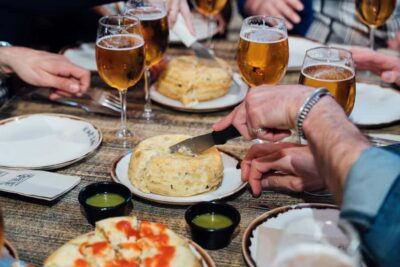
This tour is transparent about what’s included: at least four stops across local markets and bars, and four tapas tastings. At every venue, you also get a drink, either wine, beer, or a refreshment of your choice.
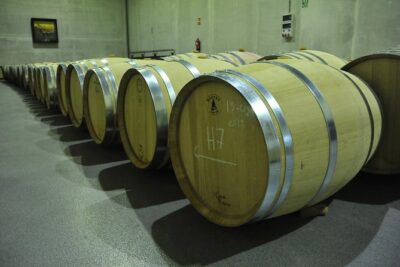
That “per venue” structure is important for value. A lot of food tours advertise tastings, but then you’re stuck paying extra for drinks. Here, your drink credit is built into the experience. You’ll also get wines and beers from across Spain, so you’re not stuck with one safe, predictable pour.
What kind of tapas will you likely run into? The descriptions you get from people who took the tour point to a mix that can include ham-based plates and even mushroom dishes. One review highlighted everything from ham to tapas to mushrooms, which is a good sign if you want variety without having to research each menu item.
How to eat smart during the tour:
- Start slow with the first tasting, you’ll likely get more food than you expect.
- Don’t chase the biggest bites right away. Taste, then move.
- If you’re sensitive to alcohol, choose a refreshment early so the remaining tastings feel comfortable.
By the end, the common theme is you’ll be full, not just mildly “inspired.” That’s the goal. Tapas tours should leave you satisfied enough that you don’t need dinner immediately after.
Why the guide makes or breaks the tour (Oscar and Pablo, for example)
A tapas tour lives or dies on the guide. The best part of this experience, according to strong feedback, is that the guides don’t just hand you food and move on. They explain what you’re eating and how it connects to Madrid and Spanish culture.
In the feedback, I saw names like Oscar and Pablo show up in standout ways. One person called Oscar enthusiastic and friendly, and another described Pablo as the best guide. That matches what you want from this kind of tour. You’re paying for interpretation as much as for food.
You should also know the tour is English and Spanish. If you’re comfortable in basic Spanish, the guide can sometimes help you connect food terms to what you’re tasting in real time. If you’re staying in English, you still get the history and context, not just a running commentary.
And one more realistic point: scheduling can be messy in the real world. One review mentioned the guide had to leave early for another tour, so the final stop was without them. Another mentioned the guide arrived late and the provider handled it by adjusting who led the tour. Those stories aren’t a guarantee of issues, but they are a reminder to build in a little patience. If something shifts, it tends to be solved quickly so you still get your tastings.
Price and value: what $141 buys you in Madrid time

At $141 per person for 2.5 hours, you’re paying for a guided eating itinerary, not just food. In practical terms, you’re paying for:
- multiple venues (at least four stops)
- four tastings
- a drink with each venue
- a local story that helps you understand what you’re seeing and eating
If you tried to do this alone, you’d spend time searching for places, translating menus, and figuring out what to order without repeating yourself. That time has value. Also, drinks add up fast in city-center Madrid. When those drinks are included, the price starts looking more reasonable.
So is it a “cheap” option? Not really. But it’s a good value if you want structure and local guidance during peak food hours, especially if you don’t want to gamble on random bars that may not match your tastes.
When this tour fits you best

I think this tour fits best if you:
- want a social, food-first way to understand Madrid
- like history but only when it connects to what’s on the table
- enjoy meeting fellow small-group travelers (up to 10) and sharing bites
- are okay with moving around and eating multiple small portions
It might not be ideal if you:
- hate crowds or prefer long sit-down meals
- want complete control over exact menu choices at every stop
- need a slow, laid-back pace, because the design is built around hopping between venues
Also, if you’re planning to visit other big sights the same day, keep the afternoon schedule flexible. You will likely leave full, and that can shift your dinner plans.
Practical tips to get the most from the walking and tasting

I’d treat this like a mini food mission. A few practical moves make a difference:
- Wear comfortable shoes. The streets are narrow and you’re walking for 2.5 hours.
- Eat lightly before you go. If you show up with a full stomach, you may feel you’re just tasting, not enjoying.
- Sip water between drinks if you’re drinking wine or beer. It keeps everything pleasant.
- Bring curiosity. The history behind tapas is part of the experience, especially the stories about why bread and ham, and why food had to accompany wine.
If you’re not sure whether you like the idea of market smells and busy venues, remember this tour uses the market as a teaching moment. You’re not stuck wandering around hoping to find something good.
Should you book this tapas walking tour?

I’d book it if you want a guided Madrid tapas afternoon that actually teaches you something while you eat, not just a checklist of dishes. The standout reason is the combination of structured tastings and a guide who knows how to connect food to tradition, with feedback calling out guides like Oscar and Pablo as especially strong.
Skip it only if you hate the walking format or you already have a clear plan to tapas-hop on your own with a map and Spanish skills. Otherwise, this is a solid way to get your bearings fast, learn the culture of tapas, and leave Madrid feeling like you did more than snack.
FAQ
How long is the Madrid history of tapas walking tour and tasting?
The tour lasts 2.5 hours.
How many people are in the group?
It’s a small group limited to no more than 10 participants.
Where does the tour meet?
Meet at the local partner’s office.
What’s included in the tastings?
You’ll have at least four stops in markets and local bars and restaurants, plus 4 tapas tastings.
Do I get drinks during the tour?
Yes. You get a drink of wine, beer, or a refreshment of your choice at each venue.
Is the tour available in English?
Yes. The tour guide is available in English and Spanish.
Is the tour wheelchair accessible?
Yes, the tour is wheelchair accessible.
Does the tour include hotel pickup or drop-off?
No, hotel pickup and drop-off are not included.
What’s the cancellation policy?
You can cancel up to 24 hours in advance for a full refund.
Is it possible to book for a group larger than 10?
For groups of more than 10 people, you need to contact in advance of booking.
More Walking Tours in Madrid




More Tours in Madrid




More Tour Reviews in Madrid


Fresh ways to see Madrid
- Tour to Toledo & Madrid CitySight Seeing Tour
- 2-Day Guided Tour to Cordoba and Seville from Madrid
- Private Transfer from Madrid Airport to Madrid Hotels
- Wine Tasting and Flamenco Master Class in Madrid
- Prado Museum and Royal Palace Private Tour in Madrid
- Monastery Royal Barefoot Visit with entrance without waiting for queues
More ways into Walking Tours
 ★ 5.0Toledo Tour & Vineyard Walk with Wine Tasting from MadridFrom $1332,546 reviews
 ★ 5.0Madrid Walking Tour from Puerta del Sol to Retiro ParkFrom $32,285 reviews
 ★ 4.5Madrid Old Town & Royal Palace Walking Tour Skip the Line TicketFrom $401,829 reviews
 ★ 4.7Spanish Inquisition and Legends Evening Walking TourFrom $231,396 reviews
 ★ 5.0Guided Walking Tour of Immortal ToledoFrom $131,116 reviews
 ★ 4.9Welcome to Madrid Guided Walking TourFrom $28984 reviews
 ★ 4.06-Hour Day Trip to Toledo with Guided Walking TourFrom $28865 reviews
 ★ 5.0Madrid Historical Walking TourFrom $3721 reviews
Try another angle on the same itinerary