
REVIEW · EL ESCORIAL & VALLEY TRIPS
Escorial Monastery and the Valley of the Fallen from Madrid
Two UNESCO sites, one efficient morning. You trade Madrid traffic for a comfortable coach ride and a guided walk through Spain’s royal and political history.
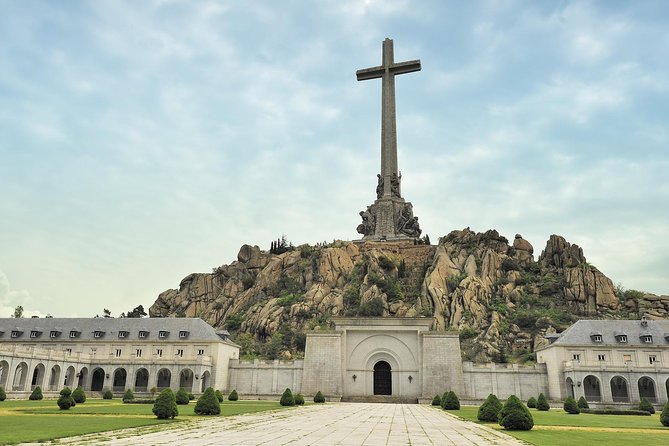
I especially love the stop at El Escorial, where you get a guided look at the palace rooms and religious spaces tied to Habsburg power. You’ll also appreciate the visit to the Valley of the Fallen, with its huge cross, underground church, and dramatic views.
One drawback to plan for is the pace. Even with a great guide, the Valley portion can feel tight, and you won’t have much time to wander on your own.
Key things to know before you go
- A guided “greatest hits” route through El Escorial’s top rooms, tomb spaces, and art
- Valley of the Fallen highlights in limited time, including exterior views and an underground basilica visit
- UNESCO World Heritage sites in one half-day, not two separate trips
- Radio-guide system to help you catch the narration on the move
- Group size capped at 30, which keeps it from feeling like a stadium crowd
- Bilingual guiding (English and Spanish), with English quality depending on the guide
Leave Madrid for the monastery and sierra
- Escorial Monastery and the Valley of the Fallen from Madrid★ 4.0 · 1,023 reviews
- From Madrid: El Escorial and Valley’s Basilica Half Day Tour★ 4.4 · 638 reviews
- From Madrid: Escorial Monastery & Valley of the Fallen Trip★ 4.4 · 389 reviews
- Escorial Monastery and Toledo Afternoon Tour★ 4.0 · 109 reviews
El Escorial and Valley of the Fallen, what you’re really getting for $79.30
This is a 5.5-hour, morning-format tour that packs two major sites into one run: the Royal Monastery of El Escorial and the Valley of the Fallen. The headline value is simple. You are not just sightseeing, you’re getting admission covered for both stops, plus a local guide, plus transportation from central Madrid.
At $79.30 per person, the price makes more sense once you remember what you get included:
- Admission to the Royal Monastery of El Escorial
- Admission to the Valley of the Fallen and basilica
- A local guide and a radio-guide system
- A guided visit through key areas of El Escorial, then a structured stop at the Valley
What’s not included is lunch. So you’ll want to think of this as a morning built for history, photos, and a later meal back in Madrid.
Also, the tour name often leads people to expect both stops every time. In practice, the itinerary says the Valley portion is “if option selected,” and some departures may vary depending on the day’s operation. If the Valley is your must-see, check your date carefully before you lock it in.
Getting from Madrid to El Escorial without the headache
You start in central Madrid, at Julià Travel Madrid on Calle de San Nicolás, 15. Plan to check in about 15 minutes early. Then you head out by comfortable, air-conditioned coach, leaving you free to focus on the story instead of figuring out buses or parking.
On the way, the guide sets context about El Escorial as a symbol of 16th-century Spanish power. That matters because when you finally walk through the monastery, it stops being “cool old buildings” and starts feeling like a master plan: architecture, religion, monarchy, and propaganda all working together.
The ride is also a hidden benefit for first-timers. The distance is about 28 miles (45 km), northwest from Madrid, and this tour bundles the logistics into the price. You just show up, strap in, and go.
Stop 1: Real Sitio de San Lorenzo de El Escorial and its royal power rooms
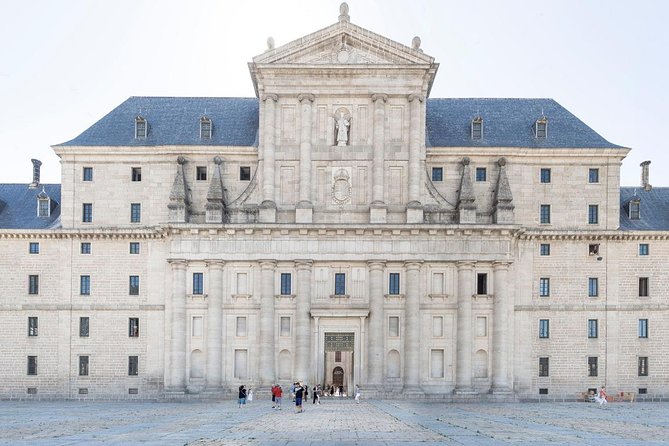
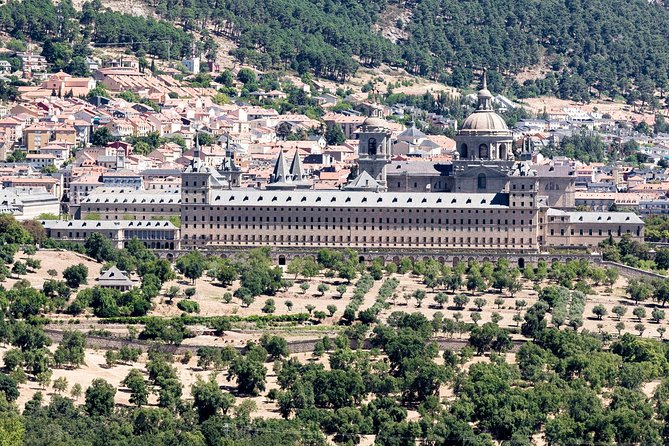
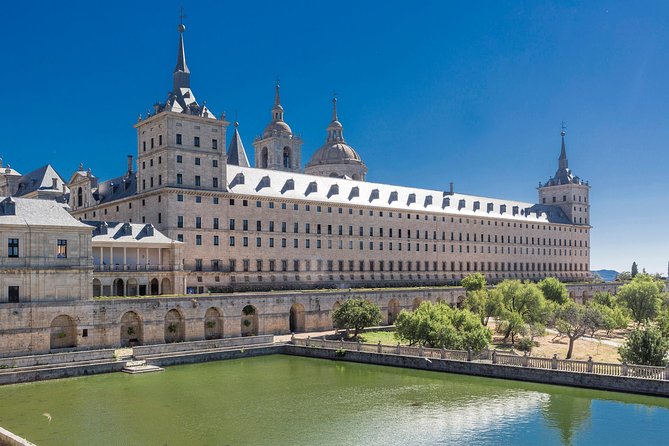
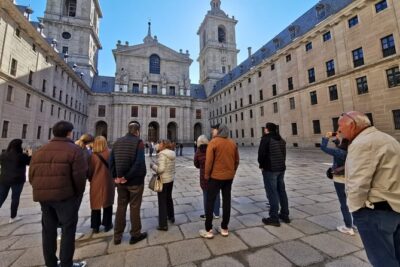
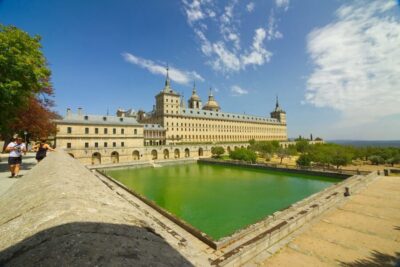
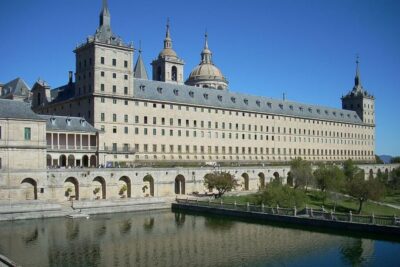
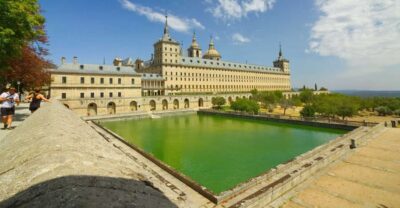
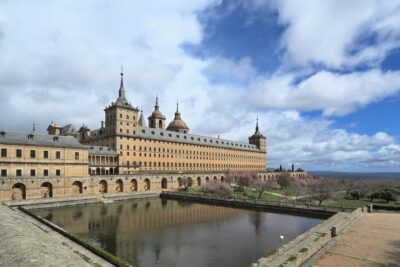
Your first stop is the Royal Monastery of El Escorial, a UNESCO World Heritage site. The tour lens here is very specific: you are there to see the places most tied to the monarchy and to understand how the complex communicates authority.
You get about 2 hours 30 minutes at El Escorial with an official-guided route through the most important areas. Expect Renaissance-style symmetry, and expect to move steadily between rooms.
Here’s what you’ll typically see on the guided circuit:
- Habsburg’s Palace areas connected to royal life
- The Chapter House
- The Basilica
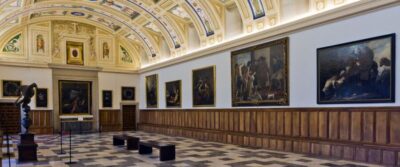
- The monastery’s remarkable library
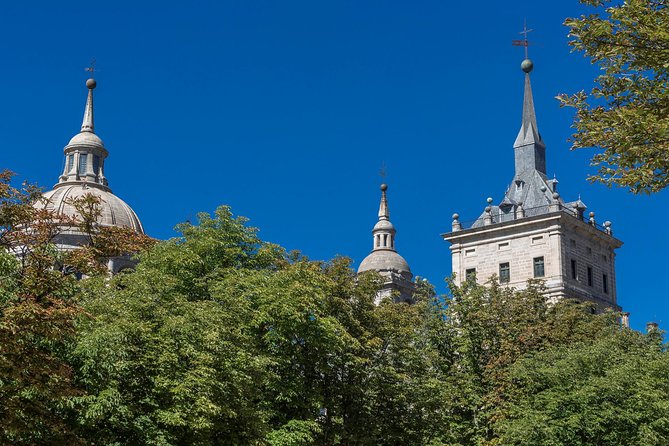
- The Baroque dome (a standout visual if you can catch good lighting)
This stop is a top pick for anyone who likes art and objects with a backstory. It’s not just paintings on walls, it’s where rulers worshipped, displayed wealth, and linked themselves to God. Even if you are not a hardcore history person, the architecture does the explaining.
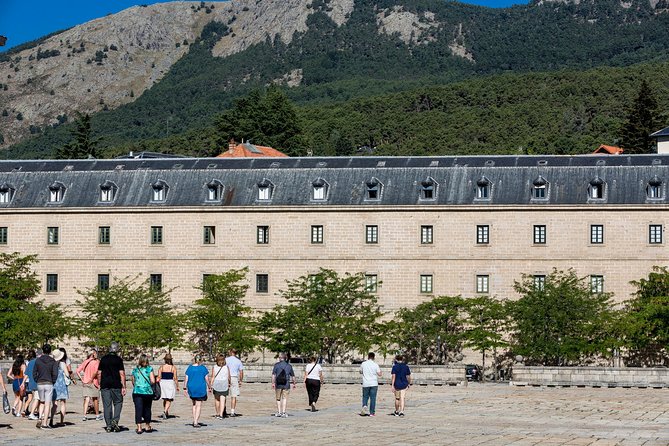
A practical consideration: El Escorial involves a fair amount of walking on site. The route is designed for a guided group, so if you need frequent pauses, you may feel it. If you’re sensitive to crowds or you get tired quickly, wear supportive shoes and plan for a steady pace.

The “Pantheon of Kings” experience, including rooms many people miss
After the core monastery walk, the tour continues you through the royal tomb areas and a few of the more specialized rooms. This is where El Escorial becomes surprisingly varied.
Key pieces you’re set up to notice:
- The final resting place of Charles I and Isabella of Portugal
- The marble tomb of Charles V
- The Architects Room, with building equipment that helps explain 16th-century construction thinking
- The Weapons Room, featuring armor and weaponry
- Frescoes in the library, where the art is part of the building’s identity
If you’re wondering why these rooms matter, here’s the reader-friendly way to think about it. El Escorial is a “power museum” disguised as a monastery. Tombs remind you who ruled. Weapons remind you how power was defended. The architectural tools remind you how big projects were made possible. The art connects it all into one controlled message.
Tip: if you’re the type who likes taking photos, focus on one or two “anchor shots” per room. With a guided route, trying to capture everything can make you feel behind. Let the guide lead, then do a quick second look after a highlight spot.
Stop 2: Valley of the Fallen, the cross from miles away and the underground church
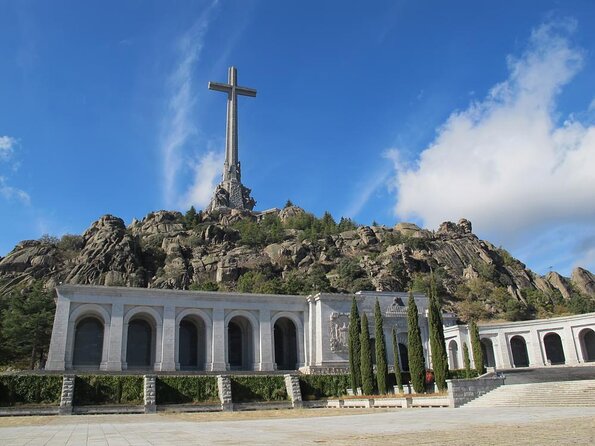
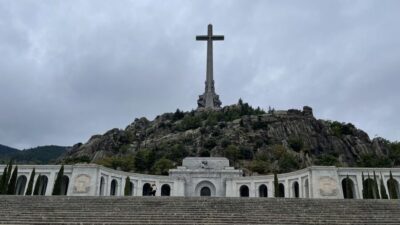
Next you head to the Valley of the Fallen. It’s about 9 km from El Escorial, in the Sierra de Guadarrama, and you can often spot the monument because of the monumental cross built above the site. Even before you reach the buildings, the scale hits you.
You have about 1 hour here, including the basilica visit. The Valley is described as an underground church carved into the mountain. Inside, the architecture leans dramatic: vaulted spaces, sculpted angels, and viewing points from arches.
A crucial detail for your expectations: the guide cannot give explanations inside the basilica. All narration is provided outside, and then you tour the basilica at your own pace. That can actually be a good thing. Once you’ve heard the story outside, you can slow down and read the space with fewer interruptions.
Also pay attention to what your eyes catch quickly:
- The giant granite cross (best framed if you arrive with clear visibility)
- The vaulted crypt with sculpted angels
- The exterior arch viewpoints over the surrounding countryside
A time reality check: some people find the Valley portion rushed. If the Valley is your top priority, don’t expect a long, unstructured linger. This tour is built for efficient coverage.
One more note from real-world travel behavior: weather can affect what you see. Fog and cold can make distant views harder. Bring layers, and be ready to take photos even when the sky is not perfect.
Bilingual guiding: how English quality can shape your day
This tour is offered in English and Spanish, but it’s not an English-only experience. The format is bilingual, meaning you will likely hear both languages during the walk.
In real departures, English quality can vary a lot by guide. Some guides have been praised by name, including Jorge, Susanna, and María, for being clear and organized. Other departures mention that English can be harder to follow due to accent or that the narration can lean more toward Spanish for parts of the route.
So here’s how I’d approach it if English is important to you:
- Go in expecting some Spanish alongside English.
- Use the radio-guide system, and keep it tuned so you can catch the important bits.
- If you struggle with accents, plan to rely more on your own reading and close attention to the room labels and visible details.
If you want a fully English-dominant experience, you might need to compare other options. But if a bilingual day with a good guide works for you, this one is a strong way to see both sites in one shot.
Pacing, crowds, and the reality of “guided highlights”
This is a group tour with a maximum of 30 travelers per guide, which is a reasonable size. Still, El Escorial can feel crowded in peak travel times, and you may share tight spaces with another group. If you love lingering at altars, paintings, or tombs, understand that the guide is moving a schedule forward.
That helps you cover both stops, but it can reduce your time to sit with art. The best strategy is to decide in advance what you want to linger on.
- At El Escorial, pick your top rooms first: basilica area, library frescoes, and the royal tomb spaces.
- At the Valley, treat it like a “first pass” stop. Take the main exterior photo, then go inside for the crypt and your own slower look.
This tour also tends to follow a structured flow with limited free time. If you like unplanned wandering, build buffer time on your Madrid schedule after the tour so you can explore at your own pace when you return.
Practical tips that make this tour feel smoother
A good morning tour can still feel hard if you show up unprepared. Here’s what matters most for this specific route.
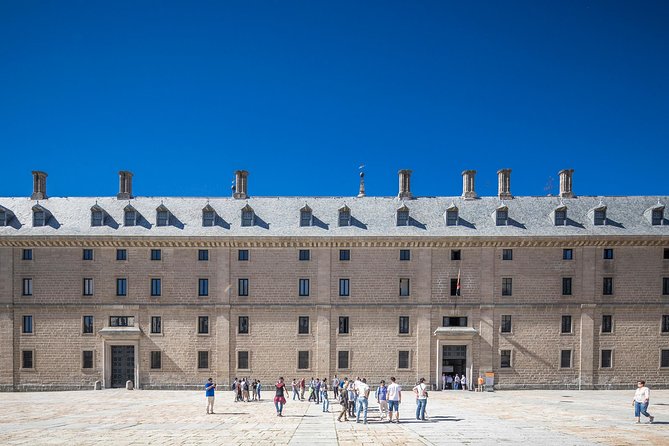
Wear: comfortable shoes. Both El Escorial and the Valley involve walking and stairs, especially at El Escorial. The tour notes it’s not recommended for people with walking difficulties or reduced mobility, and full accessibility cannot be guaranteed.
Dress for weather: bring a light jacket or layers. Madrid mornings can start cool, and the Valley area can feel colder, especially if conditions are foggy.
Bring water: the tour doesn’t include lunch, and you may be out for long stretches. Even if you can buy something nearby, carrying a small bottle helps when the day is tight.
Use the radio system fully: it’s included, and it’s your best friend if you’re outside the speaker zone or if English is split with Spanish.
Is it worth booking? A quick value check against time and admission
To judge value, don’t just look at the ticket price. Look at how much you’d pay and effort you’d spend if you did it alone.
This tour bundles:
- Transportation by air-conditioned coach from central Madrid
- A local guide
- Admission to both major sites
- A structured guided route so you don’t waste time guessing what to prioritize
- A radio-guide system
You are paying for convenience and for the “don’t-miss” highlights. If you already have a plan to navigate El Escorial on your own, the guided component is the main part of the value equation. If you want help making sense of what you’re seeing, the guide route is often what makes the day click.
The main value tradeoff is time at the Valley. If you want a long, quiet deep look, you might feel the schedule. But if you want a strong morning overview of both UNESCO sites, this does the job.
Should you book the Escorial and Valley tour from Madrid?
I’d book this if you want:
- A fast, organized way to see both El Escorial and the Valley of the Fallen
- Guided context for the royal tombs, monastery rooms, and the Valley’s symbolism
- Admission included, so you’re not piecing together tickets and timing
I’d think twice if:
- You need a fully English-only narration, or you’re sensitive to accents and language switching
- The Valley is your only priority and you know you’ll be disappointed by limited time
- Mobility is an issue, since the sites involve stairs and not every area can be made fully accessible
If you do book, go in with one simple goal: let the guide do the big-picture explanation, then spend your best energy on a few “must-see” rooms and photos. That way, even a packed schedule feels satisfying instead of rushed.
FAQ
How long is the tour, and what time does it start?
The tour lasts about 5 hours 30 minutes and starts at 8:30 am. You should check in about 15 minutes before departure at the meeting point.
Where does the tour start and end?
It starts at Julià Travel Madrid, C. de San Nicolás, 15 (Centro), and ends at Plaza de Oriente, Pl. de Ote., Centro.
Is admission included?
Yes. Admission tickets are included for the Royal Monastery of El Escorial and for the Valley of the Fallen (including the basilica).
Is pickup included?
Hotel pickup and drop-off are included if you select the private tour option. Otherwise, you meet at the stated office location.
Will the guide explain inside the Valley basilica?
No. In the Valley of the Fallen, the guide will not be able to give explanations inside the basilica. Information is given outside, and the basilica visit is done on your own.
Is the tour suitable for people with walking difficulties?
The tour is not recommended for people with walking difficulties or reduced mobility. There are many stairs, and full accessibility cannot be guaranteed due to the monuments’ architectural features.
More Tour Reviews in Madrid



The sierra road to El Escorial
Fresh ways to see Madrid
- Tour to Toledo & Madrid CitySight Seeing Tour
- 2-Day Guided Tour to Cordoba and Seville from Madrid
- Private Transfer from Madrid Airport to Madrid Hotels
- Wine Tasting and Flamenco Master Class in Madrid
- Prado Museum and Royal Palace Private Tour in Madrid
- Monastery Royal Barefoot Visit with entrance without waiting for queues
More ways into El Escorial & Valley Trips
 ★ 5.0Escorial Monastery and the Valley of the Fallen Tour from MadridFrom $742,494 reviews
 ★ 4.7From Madrid: Escorial Monastery and the Valley of the FallenFrom $731,434 reviews
 ★ 4.4From Madrid: El Escorial and Valley’s Basilica Half Day TourFrom $78638 reviews
 ★ 4.4From Madrid: Escorial Monastery & Valley of the Fallen TripFrom $78389 reviews
 ★ 4.4Royal Site of San Lorenzo de El Escorial Entrance TicketFrom $21239 reviews
 ★ 4.5From Madrid: El Escorial, Valley and Segovia Day TripFrom $105134 reviews
 ★ 4.8San Lorenzo de El Escorial: Monastery and Site Guided TourFrom $47127 reviews
 ★ 4.0Escorial Monastery and Toledo Afternoon TourFrom $128109 reviews
Try another angle on the same itinerary