

REVIEW · HISTORICAL TOURS
Black History Tour of Madrid: Heritage & Resistance
Madrid hides too much history. This 2-hour Black history tour in central Madrid turns the spotlight onto African legacy, resistance, and slavery, using guided storytelling that connects what you see on the street to what is often left unspoken.
Two things I like: the focus on Madrid’s visible traces of African and enslaved influence, and the way your guide uses powerful visuals and serious conversation to frame Spain’s role in the Atlantic slave system. One consideration: the subject is heavy, so if you’re sensitive to slavery and its aftermath, plan your mindset for an emotionally direct walk through major monuments.
Key things I’d circle before you book

- Madrid’s “hidden in plain sight” places get specific attention, not vague themes
- Afroibérica Tours runs the experience with English and Spanish live guide support
- The tour is designed for Black travelers, educators, and cultural institutions, so it aims for meaning over sightseeing fluff
- You’ll get a mix of photo stops and guided segments at major landmarks
- Expect central-area walking with practical packing help (sun protection, water, and comfortable shoes)
Another Madrid route worth weighing up
- Madrid Essential: Historic Center, Plaza Mayor & Royal Palace★ 5.0 · 6,416 reviews
- Madrid Historical Tour with Local Guide in Eco Tuk Tuk Private★ 5.0 · 876 reviews
- Madrid Historic Centre Food Tour with Authentic Tapas & Wines★ 5.0 · 814 reviews
- Madrid Historical Walking Tour★ 5.0 · 721 reviews
Why this Black history tour reframes Madrid’s famous landmarks

Madrid is a city of big names and bigger buildings, but the stories are not all equal. This tour, called Echoes of Africa, treats the city like evidence. Your guide links African legacy and the presence of enslaved people to how Madrid’s streets and public spaces took shape over time, then brings the story forward to today.
What makes it different from a standard “history of Spain” walk is the angle. Spain was among the last Atlantic-world territories to end slavery definitively, and the tour positions that timeline inside a broader story: centuries of Black presence in Iberia before the era that most people memorize in school. If you care about history that changes how you read a city, this is built for that.
The tour also leans into conversation and shared space. The goal is not just facts. It is understanding, and a feeling for how resistance, culture, and survival show up in places that tourists usually treat as backdrop.
2 hours in the center: logistics that matter (meeting, pace, group type)
This is a 2-hour guided walk. Starting times vary, so you’ll want to check availability for the slot that matches your day. The group is listed as private, so you should expect a more controlled pace and the chance to ask questions without feeling like you’re in a loud cattle line.
You meet the guide outside Starbucks at Plaza de Isabel II, Metro Opera. The route ends in the central core. The itinerary lists Puerta del Sol as the finish point, and the activity info also says it ends back at the meeting point, so it’s worth double-checking what your exact day’s guide plans for the final walk-in.
A practical note for your comfort: you’ll be in daylight conditions at famous outdoor landmarks. Bring sunglasses and sun protection, and don’t wear shoes you only tolerate. This is the kind of tour where you’ll likely keep your eyes up, then down to read what’s being referenced, then up again to photograph.
Stop 1: Plaza de Isabel II, where your guide sets the story

Plaza de Isabel II is a strong starting choice because it immediately feels like a hub of Madrid life. It’s also the kind of place where you can mentally calibrate quickly. You arrive, you orient, and then your guide starts weaving the theme into the space.
In a tour like this, the first stop matters because it determines how you’ll interpret everything after it. Expect framing about African legacy, resistance, and culture, plus the tour’s main through-line: enslaved people influenced the configuration of the city across time, and those influences can still be traced in multiple locations.
If you’re coming in with only a casual interest, this is where you’ll likely get the context that makes the rest click. If you already know some of the topic, you’ll still benefit from hearing how the guide chooses to sequence the story.



Stop 2: Royal Palace of Madrid photo stop, plus safety briefings

The Royal Palace stop is listed as a photo stop, with a safety briefing included as part of the session. This means you’ll have time to look closely and capture images, but you won’t be left alone staring at stone.
The value here is the pairing of a landmark most people associate with monarchy and power, with a discussion about how power also shaped forced labor and African presence. Even if you’ve visited the palace area before, this framing changes what you notice. You start looking for social and historical context instead of only architectural details.
The safety briefing might sound basic, but it’s a good sign for a tour like this. It usually means the guide will keep the group organized and attentive, which helps you stay focused on the stories rather than juggling crowd control on your own.
Stop 3: Almudena Cathedral, guided tour moments that slow you down
At the Almudena Cathedral area, the tour again lists a photo stop plus a guided tour segment and a safety briefing. This stop is likely to feel different because cathedrals tend to pull attention toward symbolism, art, and ritual.
The tour’s approach turns that attention into a historical question: where do African legacy and resistance fit within the religious and cultural spaces people assume belong to a single narrative? You’ll get guided storytelling that connects those themes to the broader history the tour is discussing.
This is also the kind of stop where you might need a moment to absorb what you’re hearing. The tour has deep conversations built into it, and religious architecture can intensify that feeling because it often invites reflection. If you go in expecting only surface-level sightseeing, this stop corrects that fast.
Finish at Puerta del Sol, leaving you with a new way to read the city

Puerta del Sol is one of Madrid’s best-known squares, so the finish location makes sense. You end where people naturally gather and linger, which means you can decompress right after the guided pieces.
Finishing here also works as a mental loop. You started in Plaza de Isabel II, moved through iconic power and cultural landmarks, and then end at the city’s everyday crossroads. By the time you reach Sol, you should feel like you can look at the same city with different eyes.
If the info you receive for your tour day has you return near your starting point, treat the end as a chance to re-center and plan the rest of your afternoon. This tour doesn’t include food, so you’ll likely be hungry right after, and you’ll want to know where you’re stepping next.
“Echoes of Africa” storytelling style: history plus real conversation

The experience is described as an immersive cultural and historical journey, but what matters for you as a traveler is what that means in practice. This tour is built around guided storytelling and visuals, plus community-focused conversation. It’s designed especially for Black travelers, educators, and cultural organizations looking for meaningful engagement with Afro-European history.
That “education with empathy” approach matters because slavery history can be reduced to dates and distances. Here, the focus is on presence, influence, and resistance, not just tragedy. You’re meant to connect the dots between centuries-old forced labor and the lived reality of culture and memory.
Also, Spain’s Black history can feel easy to miss if you don’t know what to look for. This tour solves that problem by bringing it directly into your walking route. You’re not waiting for a museum sign to explain the story, you’re hearing it beside the places people pass every day.
Value for $40: what you’re really buying

At $40 per person for a 2-hour guided experience, the best value is the combination of guidance quality and topic focus.
Here’s what you get that tends to justify the price:
- A live guide (English or Spanish)
- A structured walk with multiple stops at major landmarks
- Storytelling with visuals and guided conversation
- A private group format, which often means more room for questions
What you don’t get is just as important. Food and drinks are not included, so you’ll want to budget for a meal before or after. Also, because it’s a walking tour in central Madrid, your real cost is mostly time and attention. If you’re the type who enjoys learning by looking at what’s in front of you, the price feels fair.
If you’re only trying to check off monuments, you may feel like the time is too short for the cost. But if you want a history-based city read, this is a compact format with big payoff.
What to bring for a comfortable walk in Madrid sun

The tour provides guide services only, so you’re responsible for your comfort. Use the packing list as your baseline:
- Comfortable shoes (non-negotiable)
- Sunglasses, sun hat, and sunscreen
- Reusable water bottle
- Credit card and cash
- Comfortable clothes
I also recommend you bring a small layer, even in warm months. The city can shift from bright sun to cooler shade around major landmarks, and you’ll be standing and moving at different angles for photos and guided bits.
Who this tour fits best, and who should think twice
This tour is designed especially for Black travelers, educators, institutions, and cultural organizations seeking meaningful engagement with Afro-European history. That background matters because it shapes the tone of the guide-led conversation. It’s not only about learning. It’s also about recognition and context.
It’s a strong choice if you:
- Want a guided story that connects African legacy and resistance to Madrid’s real places
- Prefer walking tours with interpretation over self-guided wandering
- Like structured stops where you can photograph and then immediately understand what you’re seeing
Think twice if you:
- Want a light, purely scenic outing. This is centered on slavery history and resistance.
- Are uncomfortable with direct historical discussions in public spaces.
Guide quality: the name that keeps coming up
The tour runs with a live guide in English and Spanish, and the overall feedback shown here is a 5/5 rating across three reviews. One of the standout points is the guide experience with Kwame, described as very interesting and eye-opening. That’s a strong signal that the storytelling lands, and that your guide likely does more than recite dates.
For your planning, that means you should show up ready to listen. Bring questions, or at least bring curiosity. A tour like this works best when you treat it like guided learning, not like background noise.
Should you book this Black History Tour of Madrid?
I’d book it if you want Madrid to mean more than postcard views. For $40 and about two hours, you get a focused walk through high-visibility landmarks with a structured narrative about African legacy, resistance, and how slavery shaped the city’s historical footprint. If you appreciate context, and you like the feeling of being guided so you don’t miss what matters, this is a good use of your time.
I would skip it if you’re searching for a casual museum-style day or you want only architecture appreciation. The topic is built around slave history, so it’s not a “fun facts” stroll.
If you do book, plan to wear comfortable shoes, bring sun protection, and have a meal plan afterward since food and drinks are not included.
FAQ
Where does the tour start?
It meets outside Starbucks at Plaza de Isabel II, Metro Opera.
Where does the tour end?
The itinerary lists Puerta del Sol as the finish point, and the activity info also says it ends back at the meeting point. Check the exact end instructions for your date.
How long is the Black History Tour of Madrid?
The duration is 2 hours.
What does the tour cost?
The price is $40 per person.
Is food included?
No. Food and drinks are not included.
What languages are available?
The live tour guide is offered in English and Spanish.
Is it wheelchair accessible?
Yes. The activity is listed as wheelchair accessible.
Is this a private group tour?
Yes. It is listed as a private group.
What should I bring?
Bring comfortable shoes, sunglasses, sun hat, sunscreen, a credit card and cash, comfortable clothes, and a reusable water bottle.
More Historical Tours in Madrid



More Tours in Madrid



More Tour Reviews in Madrid

Fresh ways to see Madrid
- Tour to Toledo & Madrid CitySight Seeing Tour
- 2-Day Guided Tour to Cordoba and Seville from Madrid
- Private Transfer from Madrid Airport to Madrid Hotels
- Wine Tasting and Flamenco Master Class in Madrid
- Prado Museum and Royal Palace Private Tour in Madrid
- Monastery Royal Barefoot Visit with entrance without waiting for queues
More ways into Historical Tours
 ★ 5.0Madrid Essential: Historic Center, Plaza Mayor & Royal PalaceFrom $36,416 reviews
 ★ 5.0Madrid Historical Tour with Local Guide in Eco Tuk Tuk PrivateFrom $28876 reviews
 ★ 5.0Madrid Historic Centre Food Tour with Authentic Tapas & WinesFrom $78814 reviews
 ★ 5.0Madrid Historical Walking TourFrom $3721 reviews
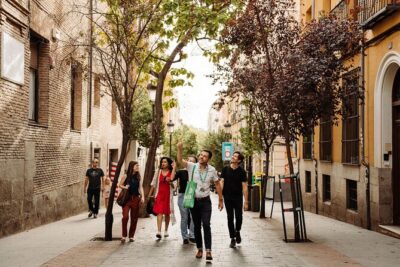 ★ 5.0Madrid in a Day Tour:Royal Palace, Historic Center & Prado MuseumFrom $119628 reviews
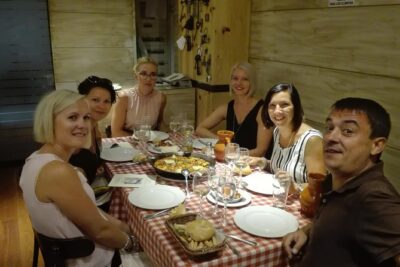 ★ 5.0Madrid Local’s Tapas Tour Dinner with a side of HistoryFrom $114530 reviews
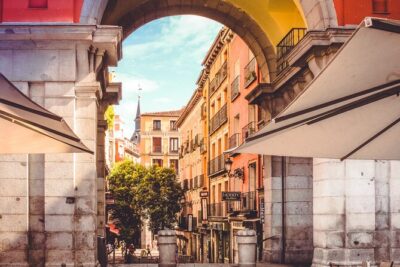 ★ 5.0Guided Tour of Madrid of the Austrias and the Historic CenterFrom $2520 reviews
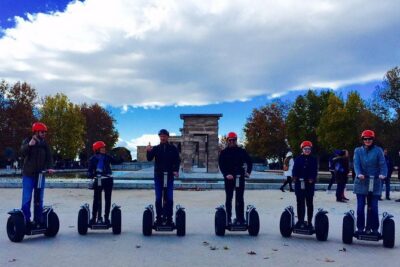 ★ 5.0Segway Private Tour in the Historic Center of MadridFrom $42310 reviews
Try another angle on the same itinerary