
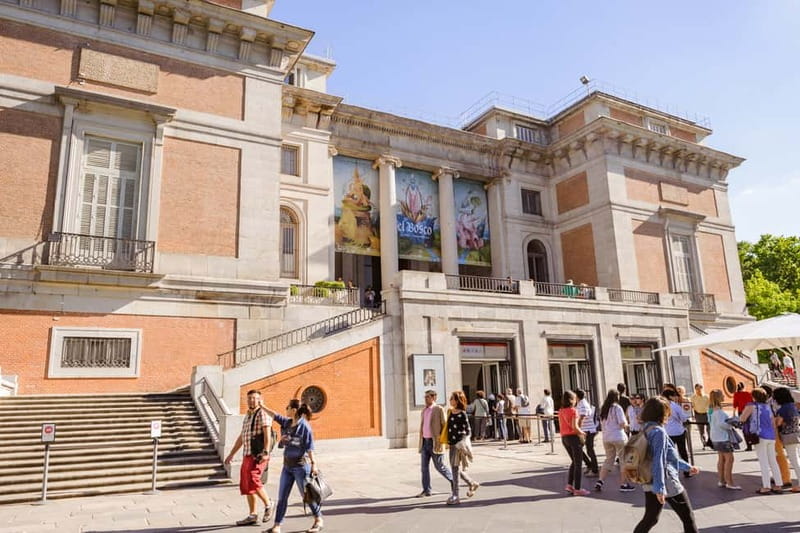
Great art, late tables, a city still awake.
Start with the Prado and the palace, cross the old centre on foot, then let tapas and flamenco carry the evening. Compare what each ticket includes before the day fills up.
Start with the days that define it.
A strong first plan pairs one major museum with the royal quarter, then leaves the evening open for a food walk or tablao. Save one full day for Castile beyond the ring road.

Tour Bernabéu Entry Ticket
Walk Real Madrid’s Bernabéu grounds in 90 minutes, from trophy rooms and interactive exhibits to changing rooms and benches when open.
From $41 per person
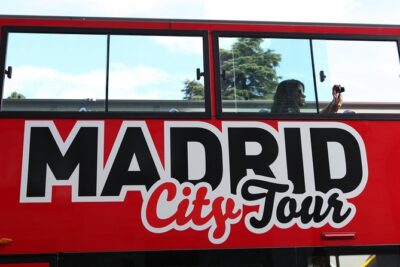
Read the review → ★ 4.1Madrid classicPanoramic Route City TourFrom $3912,259 reviews
 ★ 4.5Book this earlyLive Flamenco Show with Food and Drinks OptionsFrom $339,901 reviews
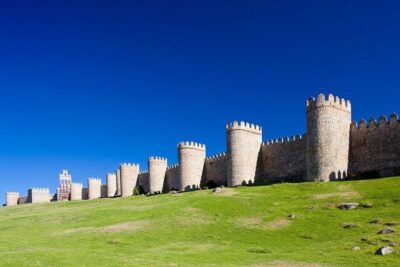 ★ 5.0Worth the detourAvila & Segovia Tour with Tickets to Monuments from MadridFrom $819,762 reviews
 ★ 4.7Good first moveSegovia and Toledo Tour, Alcazar, and CathedralFrom $487,797 reviews
 ★ 4.7Local favoriteRoyal Palace Expert Guided Tour with Skip-the-LineFrom $406,986 reviews
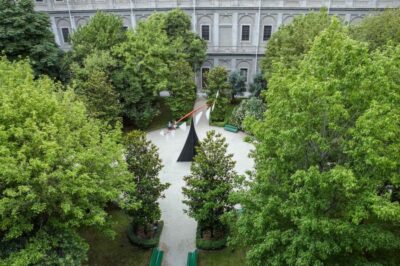 ★ 4.5Clear the eveningReina Sofía Museum Entrance TicketFrom $146,889 reviews
Give the paintings a route.
The Prado becomes manageable when a guide links Velázquez, Goya and Bosch instead of racing room by room. Compare entry time, group size and whether the ticket continues into the permanent collection after the tour.
Choose your compass point.
Toledo brings layered history, Segovia an aqueduct and castle, and Ávila the best-preserved walls. Pick by monument time, travel hours and how many cities you actually want in one day.
 Cathedral, synagogues, steep lanes
Toledo
12 hours (approx.) · from $126 · 8,402 reviews
Toledo compresses Christian, Jewish and Muslim history inside a hilltop old city. Compare cathedral entry, walking time and whether the bus leaves room for the viewpoints across the Tagus.
Choose a Toledo day →
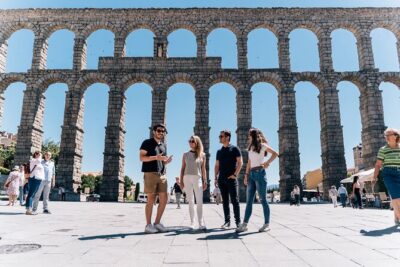
Aqueduct, castle, roast lunch
Segovia
9 hours (approx.) · from $81 · 9,762 reviews
Segovia starts beneath the Roman aqueduct and climbs toward an Alcázar that looks built for a storybook. Check monument entry and whether the route pairs the city with Ávila or Toledo.
Compare Segovia routes →
Stone walls across the plateau
Ávila
9 hours (approx.) · from $81 · 9,762 reviews
Ávila is the quieter Castilian choice, defined by its complete medieval walls. Choose it alone for an easier pace or in a two-city day when the included monument time is explicit.
Plan the walled-city day →
Cathedral, synagogues, steep lanes
Toledo
12 hours (approx.) · from $126 · 8,402 reviews
Toledo compresses Christian, Jewish and Muslim history inside a hilltop old city. Compare cathedral entry, walking time and whether the bus leaves room for the viewpoints across the Tagus.
Choose a Toledo day →
Aqueduct, castle, roast lunch
Segovia
9 hours (approx.) · from $81 · 9,762 reviews
Segovia starts beneath the Roman aqueduct and climbs toward an Alcázar that looks built for a storybook. Check monument entry and whether the route pairs the city with Ávila or Toledo.
Compare Segovia routes →
Stone walls across the plateau
Ávila
9 hours (approx.) · from $81 · 9,762 reviews
Ávila is the quieter Castilian choice, defined by its complete medieval walls. Choose it alone for an easier pace or in a two-city day when the included monument time is explicit.
Plan the walled-city day →
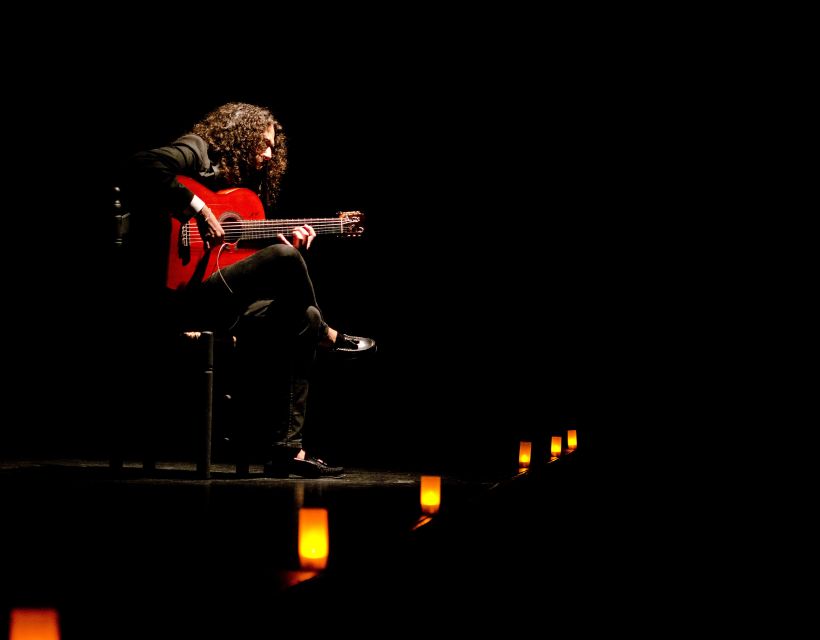
Let the tablao take the night.
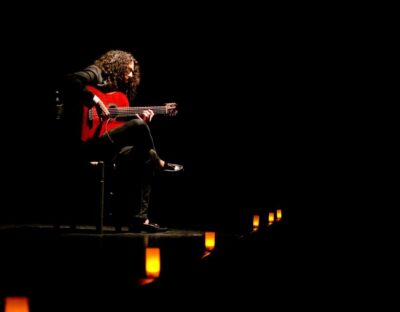
Madrid makes sense late. Choose a focused flamenco performance, a dinner-and-show table or a tapas route through streets that only begin to fill after sunset.
Follow the neighborhood appetite.
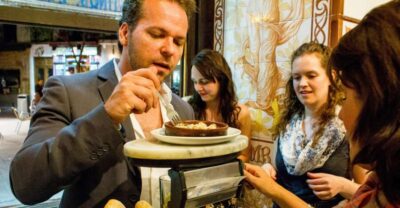
Move from a market counter to vermouth, croquetas and a final plate near La Latina. The useful tours explain the neighbourhood and keep portions generous enough to replace dinner.



Let the boulevards set the route.
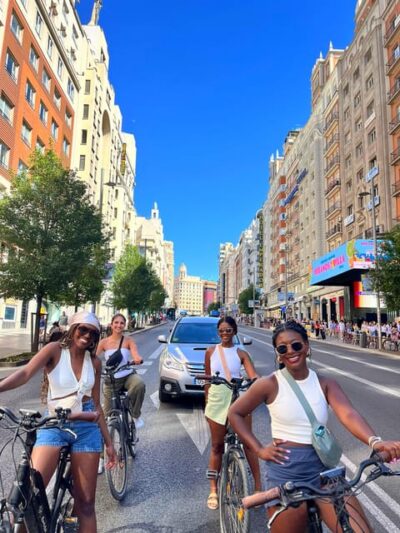
A bike links Retiro, the river park and neighbourhoods beyond the core without wasting the morning underground. E-bikes help with distance; small groups matter in the busier plazas.
Cross royal Madrid on foot.
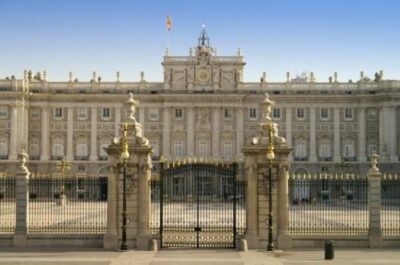
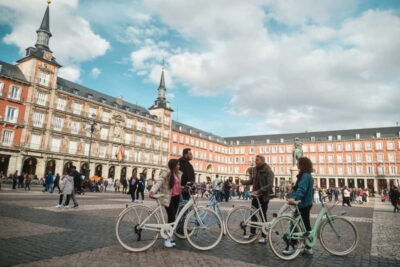
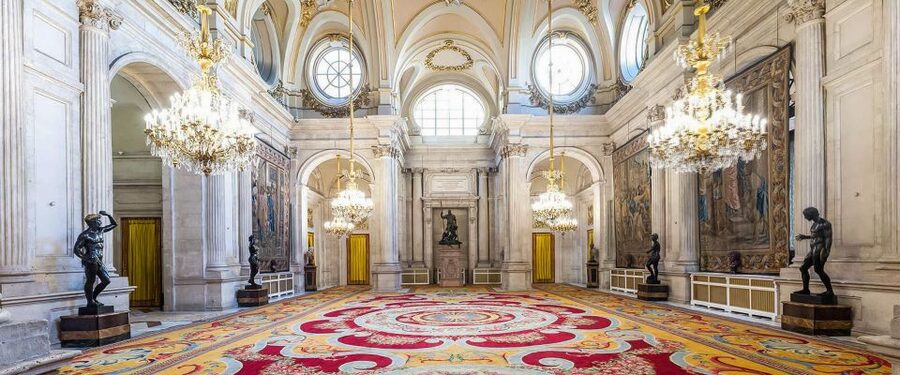
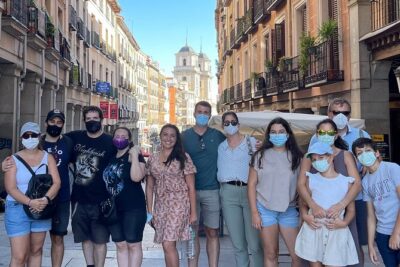
The palace gives the quarter its scale, but the route improves when it continues through Plaza de Oriente, the Almudena and the lanes toward Plaza Mayor. Book timed entry before fitting the walk around it.
A capital drawn in plazas and boulevards.
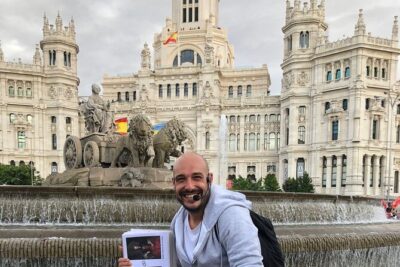
The art museums line the Paseo del Prado, the palace anchors the west and Retiro opens the east. Between them, old streets lead through Sol, Plaza Mayor and the taverns of La Latina.
Pick the shape of your day.
Walk the old centre, cycle through Retiro, taste your way across a market or sit down for flamenco. Start with pace and format, then compare the ticket details.

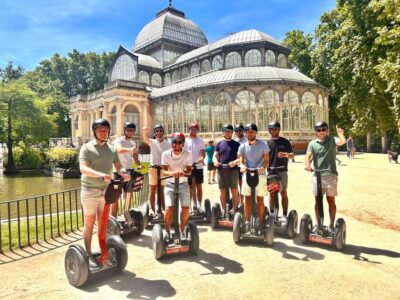
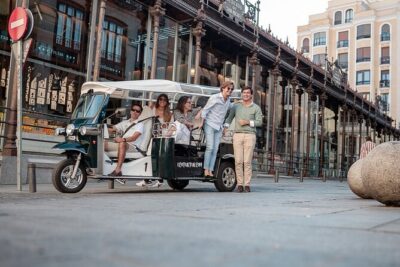

Three old cities across the plateau.
Toledo, Segovia and Ávila each justify a day, while El Escorial sits closer to Madrid. Combined routes save calendar space but trade away slow lunches and unhurried monument time.
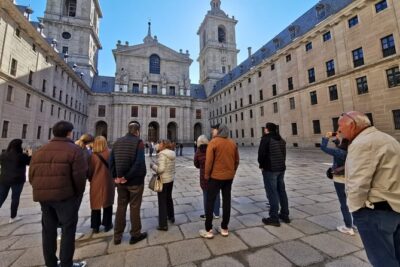
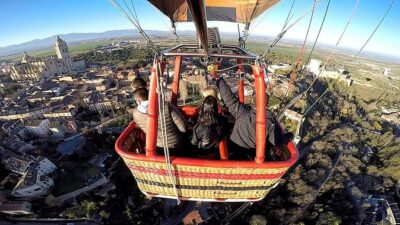
Build three days around one long evening.
Give the first day to art and Retiro, the second to palace streets and tapas, then leave Madrid for Castile. The order keeps each museum focused and the late nights manageable.
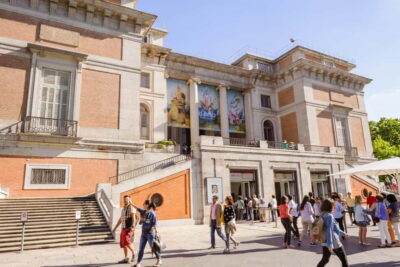 Day 1
Prado first, Retiro after
Take a focused museum route in the morning, pause along the Paseo del Prado and finish beneath the trees in Retiro. Keep the evening flexible for a late dinner.
Shape the art day →
Day 1
Prado first, Retiro after
Take a focused museum route in the morning, pause along the Paseo del Prado and finish beneath the trees in Retiro. Keep the evening flexible for a late dinner.
Shape the art day →
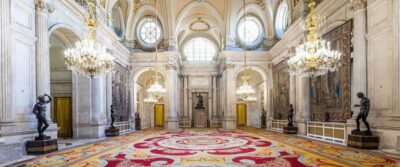 Day 2
Palace rooms, old streets, late tapas
Enter the palace on a timed ticket, walk through the Austrias and let a food route replace dinner. A tablao works best after a pause rather than immediately after the last stop.
Set the royal route →
Day 3
Take the road to Toledo
Leave early for the hilltop city, give the cathedral and old quarters enough time, then return to Madrid after the viewpoints across the Tagus.
Choose the Castilian day →
Day 2
Palace rooms, old streets, late tapas
Enter the palace on a timed ticket, walk through the Austrias and let a food route replace dinner. A tablao works best after a pause rather than immediately after the last stop.
Set the royal route →
Day 3
Take the road to Toledo
Leave early for the hilltop city, give the cathedral and old quarters enough time, then return to Madrid after the viewpoints across the Tagus.
Choose the Castilian day →
Newly reviewed in Madrid.
 ★ 4.5Tour to Toledo & Madrid CitySight Seeing TourFrom $1053 reviews
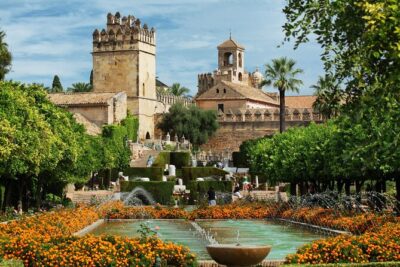 ★ 4.52-Day Guided Tour to Cordoba and Seville from MadridFrom $4343 reviews
 ★ 4.5Private Transfer from Madrid Airport to Madrid HotelsFrom $673 reviews
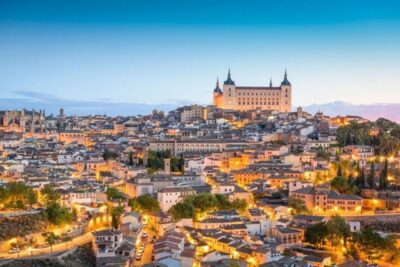 ★ 5.0Toledo: Private tour with an official guideFrom $1773 reviews
 ★ 4.5Wine Tasting and Flamenco Master Class in MadridFrom $993 reviews
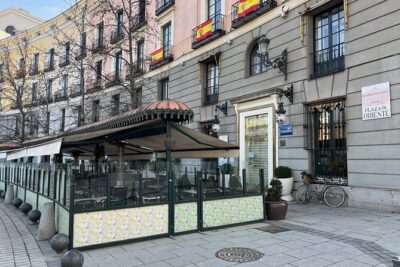 ★ 5.0Prado Museum and Royal Palace Private Tour in MadridFrom $2143 reviews
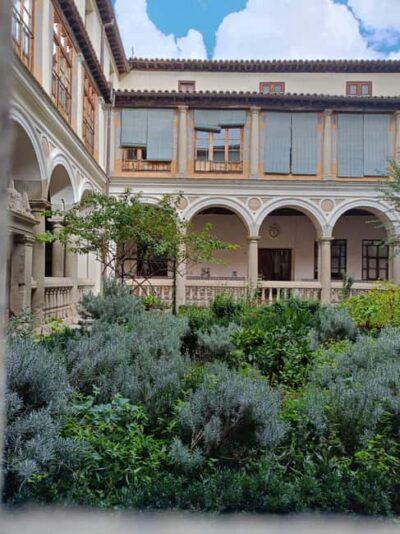 ★ 3.7Toledo: Marzipan Convent Route with Tasting and WineFrom $213 reviews
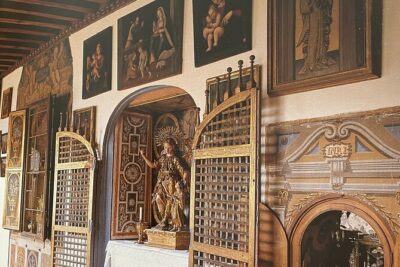 ★ 4.5Monastery Royal Barefoot Visit with entrance without waiting for queuesFrom $343 reviews