

REVIEW · WINE TOURS
6 Day Wine and Gastronomy Tour of Northern Spain
This route tastes like northern Spain. In six days, you swing from winemaker-led tastings in Ribera del Duero and Rioja to Basque coast food culture in San Sebastian, France, and Bilbao. I love the hands-on feel, where you learn from the people who make the wine, not just a script, and I love the comfort of private pickup and A/C transportation that keeps you from wasting hours figuring out connections.
One possible drawback to plan for is time on the move. The days are long and travel between regions is part of the deal, plus breakfasts and dinners are not included, so you will want to budget for meals on your own.
Key reasons this tour works

- Winemaker-led tastings in Ribera del Duero and Rioja, focused on land, choices, and grape styles
- Unique winery types, including underground cellars in Aranda del Duero and a chateau-style stop in Rioja
- Architecture as a wine story, with an avant-garde winery designed by a world-famous architect in Rioja
- San Sebastian walking time with both big views and quieter, less-obvious streets
- Basque-French coastal day covering Biarritz, Saint-Jean-de-Luz, Hondarribia, and a high viewpoint stop on Jaizkibel
- A strong Bilbao finish, including Bilbao walking sights and entry to the Guggenheim Museum
Another Madrid route worth weighing up
- Toledo Tour & Vineyard Walk with Wine Tasting from Madrid★ 5.0 · 2,546 reviews
- Madrid: Tapas & Wine Tasting Tour with Local Guide★ 4.8 · 2,171 reviews
- Madrid Tapas & Wine Tour with Rooftop Views and Local Guide★ 5.0 · 2,047 reviews
- Paella Cooking Class in Madrid with Bottomless Wine Pairing★ 5.0 · 985 reviews
A Private 6-Day Northern Spain Route That Mixes Wine and Coastal Food

If your idea of Spain is wine plus real eating, this route makes sense. You start inland in Madrid, then move into two of Spain’s most serious wine regions, Rioja and Ribera del Duero. After that, you pivot to the coast, where the food language changes fast, from wine-and-barrel talk to pintxos, seafood, and sea-air tastes.
What I like about the setup is the pacing. You are not bouncing around on your own schedule. You have a guide for each day, and private transportation that handles you city to city with air conditioning. That matters because wine regions are spread out, and the Basque coast is full of viewpoints and short stops that are hard to manage without a driver.
Also, the tour is designed to be flexible. The approach is not just rigid sightseeing. They can add or change what you want, and the minimum group size is two people. If you are traveling with a small group that wants a bigger vehicle, they can rent one for better comfort.
Ribera del Duero Day: Boutique Winery, Winemaker Tastings, and Aranda Underground
Ribera del Duero is a great first-day choice because it sets the tone fast. You start with pickup from your hotel in Madrid, and you even travel with your luggage so you are not doing a midday shuffle.
The day’s center of gravity is a small boutique family winery visited with the winemaker. This is the kind of stop where the learning is practical. You hear how the region’s land makes a difference, then you taste multiple wines in a guided format that connects vineyards to what shows up in the glass. The winemaker explanation tends to go beyond simple facts, because the goal is for you to understand why these wines behave the way they do.
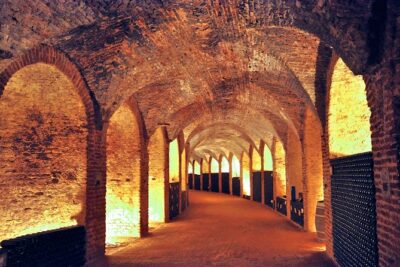
Then you move to Aranda del Duero, a Castilian city with more than a thousand years of history. The standout here is the underground winery in the old town. Underground wine spaces change how you taste, even if you do not have a technical background. The environment tends to feel cooler, quieter, and more grounded, and that suits the Ribera del Duero style.
Practical consideration: this is a first full day, so if you are planning to fly in the morning of your tour, try not to leave anything to chance. You want time the night before for a good dinner and an early wind-down. Wine days are better when your energy is steady.
Rioja Alta: Estate Wineries and Classic Versus Modern Styles

Rioja is where Spain’s wine culture becomes a full-on system, with rules, history, and a clear sense of identity. In Rioja Alta, you visit an estate winery where the winemaker explains what makes their estate wines special. You also learn about the Rioja Control Board requirements, which helps you understand the box the wines must fit into, even when styles evolve.
That matters because the tour is not only about tasting. It is about learning how two Rioja worlds exist side by side:
- Classic Rioja style
- Modern Rioja style
The tasting format you get here is built to make that contrast feel real, not just theoretical. You taste different expressions and connect them to production choices, barrel influence, and style direction.
Next, you visit a centennial winery from the 19th century. The big idea is how barrel practices shaped modern Rioja categories like Crianza and Reserva. Oak aging is not just a flavor concept here, it is tied to how producers built repeatable quality over time. Even if you do not get nerdy about terms, you will usually notice the difference in texture and aroma patterns.
One more note: this is a long day, and the tour mentions a full day duration. If you are sensitive to long sit-down tastings, pace yourself at the first winery so you have enough stamina for the second.
Another Madrid route worth weighing up


Rioja Alavesa: Chateau-Style Views and an Avant-Garde Architect Winery

Rioja Alavesa gives you two types of contrast in one day: setting and design. You begin at a chateau winery surrounded by vineyards, picked in part because it has a top-tier view. That kind of stop is not only pretty. It helps you picture why people built wineries where they did, why they value the sightlines, and how the terrain shapes the business.
Then you go to a more avant-garde winery, designed by an internationally known architect. This is a different kind of wine education. The point is not that architecture makes better grapes. The point is that producers invest in modern spaces, modern workflows, and visitor experiences, which changes how you taste and how the winery communicates its identity.
You will also get more Rioja wines through that tasting flow. By now, you should be starting to notice patterns. For example, you may start thinking in terms of style direction, barrel influence, and how the winery treats time. Rioja can feel confusing at first, but this kind of structured day usually makes the categories click.
If you tend to get sunburned easily, bring a hat. Several parts of wine country visits happen outdoors before you get back into cool interiors.
San Sebastian Walking Tour: La Concha Views, French-Style Streets, and Pintxos Clues

Once you reach the coast, the tour language shifts from grapes to plates. San Sebastian, also called Donosti in Basque, is known for its bay setting and French-style architecture influence. The walking tour is your orientation tool, and it includes both the big, iconic views and quieter streets that do not always show up in quick photo searches.
I like this stop because it also sets you up for eating the right way. You do not just walk past restaurants. You learn city context so when you choose where to eat, you understand the neighborhood logic.
As for food, the tour emphasizes pintxos culture in the wider Basque segment, and San Sebastian is the natural launch point. The pacing is also sensible. You get enough walking time to feel oriented, but not so much that you arrive hungry with no appetite for the next day’s coastal route.
If you want to maximize the day, wear shoes you trust for hills and curbs. Old-city streets can be uneven, and you do not want sore feet by the time you reach the views.
Basque Coast Day in France and Spain: Biarritz to Hondarribia via Jaizkibel

This is the day that makes the tour feel like more than a wine trip. You start in Biarritz, a former whaling village that became a luxury seaside town. You cross the city to see the big beach area next to the Art Deco Casino, and you get a sense of how glamour from the 1920s and 1930s still shapes the place.
Then you head to Saint-Jean-de-Luz, described as a fishing town with authenticity and a heritage of corsairs. Here the food market matters. It is part of how you experience the town like a local, not just by sight-seeing the buildings. You also walk with context around an important royal marriage date involving Louis XIV and Maria Teresa of Austria.
After that comes Hondarribia, right at the France border, with a well-preserved medieval walled old town. The tour also points out practical food timing: the fishermen’s quarter is where many of the best seafood and pintxos spots tend to cluster. That is exactly the kind of tip that helps you avoid random, touristy choices.
Finally, you drive through Jaizkibel Mountain for one last payoff: a high viewpoint stop where you can take in the French-Basque coastline. You are meant to pause for coffee while enjoying the view, and you can stop for pictures anywhere along that route when it makes sense.
Practical consideration: this is a long “coastline” style day with multiple towns. If you get motion sick easily, sit where you feel best in the car and keep your attention on the road ahead.
Bilbao Finish Along the Bay of Biscay: Bermeo, Gaztelugatxe, Bakio, and the Guggenheim

Your final day keeps the sea theme strong, but brings it back into a big-city finish. You depart San Sebastian with luggage handling again, and you explore the coast en route to Bilbao.
Bermeo is your first major stop, known as one of Spain’s oldest and prettiest fishing villages. You walk the port area and learn how fishermen were famous for whaling. Even if the topic is unexpected for some people, it adds depth to what you see, because the town’s identity is tied to the water and the work.
Then you hit one of the most anticipated sights on the Biscay coastline: San Juan de Gaztelugatxe. This is a church perched on a rock about 80 meters high, reached by a stone bridge with 241 steps. The tour also notes its pop-culture role, including that it appeared in Game of Thrones. Even if you know the series or not, the physical experience is the point: you are climbing to a view that feels like it belongs to a myth.
Next comes Bakio, framed by mountains and known for long beach stretches and year-round surfing waves. The tour also mentions that you can see txakoli wine vineyards along the coast. That combination is a good reminder that Basque alcohol culture is not only about beer and wine. It is about local styles tied to place.
Finally, you arrive in Bilbao for a city walk. You see how Bilbao balances sea, mountains, history, industry, and modern culture. The finish includes entry to the Guggenheim Museum Bilbao, where you get to enter and see temporary and permanent exhibitions, plus the museum’s signature Puppy sculpture associated with its main entrance experience.
This ending is valuable because it gives you a cultural anchor after a lot of outdoor touring. By the time you reach the Guggenheim, you have earned a chance to slow down indoors.
Price and Value: What $2,387.46 Buys You in Real Time

At $2,387.46 per person, this is not a budget wine day. But it also is not just paying for tastings. You are paying for private execution: a dedicated expert guide for each day, private A/C transportation, and a multi-region route that would be hard to assemble on your own without wasting time.
Here’s where the value really shows:
- Guided winery visits with tastings in both Ribera del Duero and Rioja. Not all wine tours include the kind of winemaker-led context you get here.
- Private pickup and drop-off across different cities, including luggage handling. That reduces stress a lot.
- A format that supports flexibility, so the itinerary can adapt to what you care about.
What is not included is also important for value. Hotels are not included, and breakfasts and dinners are not included. That means the nightly lodging and the meals you choose will affect your total trip cost. If you like to eat well, build that into your budget.
Also keep in mind the practical scale: the tour states a maximum of 8 travelers, and it is described as exclusive multi-day private just for you. That usually means you are not stuck in a noisy large-group vibe.
If you want to judge whether this price fits you, compare it to the cost of arranging transport plus separate day trips in multiple regions. When you add up time, logistics, and guide expertise, the private price becomes easier to justify.
How to Prepare: Tastings, Timing, and What You Should Budget
Wine tours can be fun and still require a smart setup. Bring water habits into your day. Sip between tastings, and do not let the tasting pace pull you into dehydration.
Also plan for food timing. The tour includes wine experiences and walking tours, but breakfasts and dinners are not included. You will want to select places to eat that match the towns you are in. In the Basque and French coastal areas, pintxos and seafood are a big part of the rhythm, so you will likely eat differently than in the inland wine regions.
Clothes matter too. Layers are useful because winery visits and coastal walks can shift from bright outdoor light to cooler interiors. Comfortable shoes are a must, especially with the Gaztelugatxe steps and stone bridge experience.
One more practical point: the tour provides a mobile ticket. That reduces stress, especially when you are switching locations daily.
Who This Tour Is For (and Who Might Want a Different Style)
This tour is ideal if you want three things at once:
1) serious wine education with guided tastings
2) authentic regional food culture, especially in the Basque coast towns
3) private handling of transportation and city-to-city logistics
It also fits couples, friends, and small groups. The minimum of two people is great if you want a private feel without traveling with strangers. And if you are a group and need a bigger vehicle, the tour can rent one to keep the experience comfortable.
Who might choose differently? If you hate long driving days, or if you want mostly free time for wandering at your own pace, you might feel the schedule is packed. The tour is built to make each day purposeful, and that means not every hour is a blank canvas.
Should You Book This Northern Spain Wine and Gastronomy Tour?
I would book it if you want a guided, high-quality Northern Spain sampler that does not treat wine as a checkbox. You get structured education in Ribera del Duero and Rioja, and then you get rewarded for leaving the vineyards with Basque coastal towns, seafood-first food culture cues, and a strong Bilbao museum finale.
If you are celebrating something, or if you care about wine details and want the plan to match your preferences, this is the kind of tour that tends to satisfy. The tour is also run with enough professionalism to handle real groups, not just a couple who wants everything rigid.
Do it if your budget can handle private, multi-day pricing and you are okay with long, full days. You will trade slow mornings for a lot of meaningful stops, and in northern Spain, that is a very good trade.
FAQ
How long is the tour?
It runs for 6 days approximately, starting around 9:00 am.
Where does the tour start and end?
You start in Madrid and the route finishes in Bilbao. The tour can also include drop-off at your desired place in Bilbao.
Is hotel pickup included?
Yes. Pickup is offered, including pickup in Madrid at the start and then pickup in the next cities as the itinerary moves along. Pickup and drop-off are included.
What is the group size?
The tour has a maximum of 8 travelers.
What transportation is provided?
You get private transportation with A/C for the multi-day route.
Which wine regions are included?
You visit Ribera del Duero and La Rioja (including Rioja Alta and Rioja Alavesa).
Are winery visits and tastings included?
Yes. Guided vineyard visits with wine tastings in Rioja and Ribera del Duero are included.
Are meals included besides wine tastings?
No. Hotels, breakfasts, and dinners are not included.
Can I get a full refund if I cancel?
Yes, you can cancel up to 3 days in advance for a full refund. If you cancel less than 3 full days before the start time, the amount paid is not refunded.
If you want, tell me your travel month and whether you prefer classic Rioja styles or more modern tastes, and I’ll suggest how to plan your meals around the wine days.
More Wine Tours in Madrid



More Tours in Madrid


More Tour Reviews in Madrid

Fresh ways to see Madrid
- Tour to Toledo & Madrid CitySight Seeing Tour
- 2-Day Guided Tour to Cordoba and Seville from Madrid
- Private Transfer from Madrid Airport to Madrid Hotels
- Wine Tasting and Flamenco Master Class in Madrid
- Prado Museum and Royal Palace Private Tour in Madrid
- Monastery Royal Barefoot Visit with entrance without waiting for queues
More ways into Wine Tours
 ★ 5.0Toledo Tour & Vineyard Walk with Wine Tasting from MadridFrom $1332,546 reviews
 ★ 4.8Tapas & Wine Tasting Tour with Local GuideFrom $912,171 reviews
 ★ 5.0Madrid Tapas & Wine Tour with Rooftop Views and Local GuideFrom $1132,047 reviews
 ★ 5.0Paella Cooking Class in Madrid with Bottomless Wine PairingFrom $143985 reviews
 ★ 5.0Madrid Historic Centre Food Tour with Authentic Tapas & WinesFrom $78814 reviews
 ★ 5.0Madrid Countryside Wineries Guided Tour with Wine TastingFrom $175740 reviews
 ★ 4.8Guided Tapas and Wine Tour with Terrace VisitFrom $106566 reviews
 ★ 5.0Old Madrid Tapas and Fine Wine Small Group TourFrom $101415 reviews
Try another angle on the same itinerary