
REVIEW · MUSEUMS
Visit the National Archaeological Museum in Madrid
Madrid’s past is right there, indoors. This guided stop at the National Archaeological Museum in Madrid is built to make sense of Spain’s huge timeline, from prehistory to later eras. I like the way you get the starring objects up close, including the Iberian sculpture highlights, and I also like the museum pacing, especially the walk through the Roman sculpture courtyard with an actual guide steering you. One thing to consider: if you’re visiting on a holiday when museum hours change, the timing can matter a lot, so keep some buffer in your day.
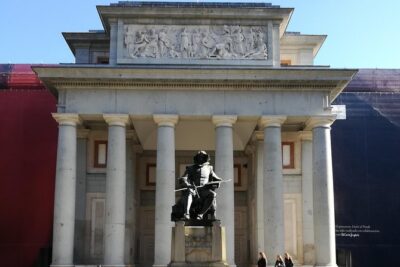
You meet next to the Velazquez monument, then you head into the galleries for a focused 1.5-hour tour in English or Spanish. You pay $34 per person, and that price includes the tickets plus an official guide, which makes this an easy choice when you want structure without extra planning.
Key things that make this visit worth it
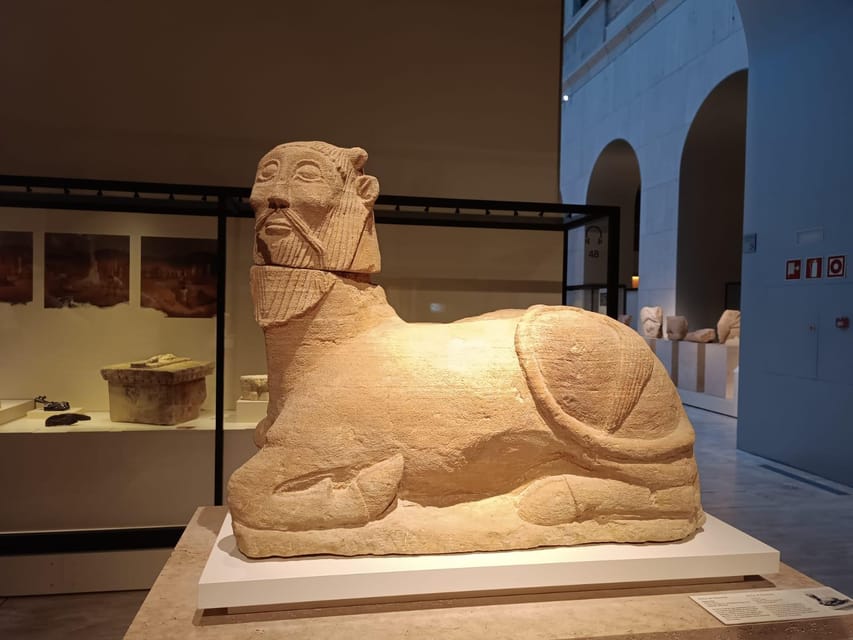
- Iberian sculpture collection, with major works like the Lady of Elche type of centerpiece
- Roman sculpture courtyard walk, so classical art is seen as a space, not just boxes and labels
- Al-Andalus legacy, explained through Spain’s material culture and movable art
- The sweep of 10,000 years, with connections from prehistory to later Spanish periods
- Time-saver setup, skip-the-ticket-line and go straight into the guided experience
- Meet by the Velazquez monument, easy to spot once you know the landmark
Another Madrid route worth weighing up
- Madrid: Prado Museum Entry Ticket★ 4.6 · 17,509 reviews
- Madrid: Reina Sofía Museum Entrance Ticket★ 4.5 · 6,889 reviews
- Madrid: Small Group of Prado Museum Tour & Optional Tapas★ 4.6 · 2,437 reviews
- Madrid: Prado Museum Guided Tour with Skip-the-Line Ticket★ 4.5 · 2,018 reviews
First stop: finding the National Archaeological Museum at speed
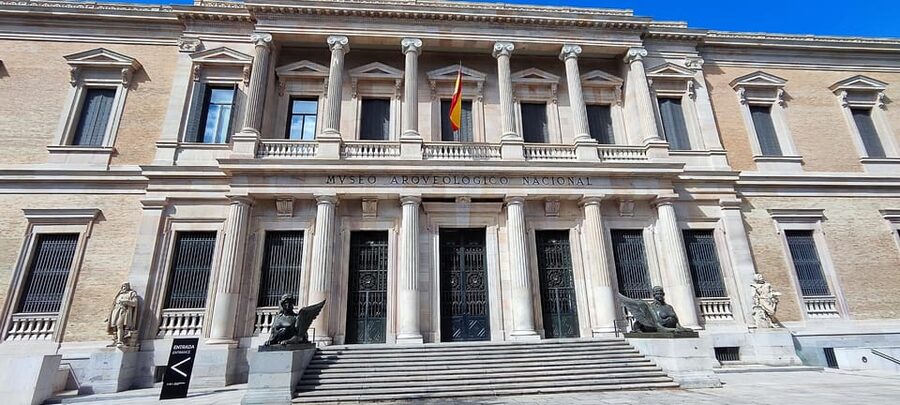
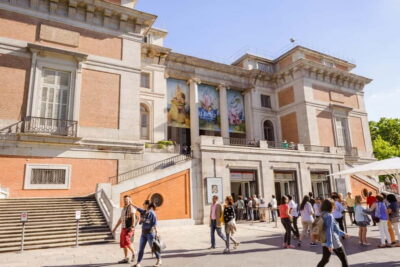
You start at the Museo Arqueológico Nacional area, with the meeting point set next to the monument to Velazquez. That’s helpful, because Madrid landmarks are easy to use as anchors when you’re trying to stay on schedule.
I’d plan to arrive about 15 minutes early. Not because you’ll be waiting forever, but because guided tours run on a tight rhythm, and everyone arriving late can compress the time you have with the guide. If you like smooth starts, this is one of those tours where being punctual pays off.
What the guided format actually gives you (and why it matters)
This is not a “wander and hope you get meaning” museum visit. It’s a structured, guided tour led by an official guide, lasting around 90 minutes. That format matters because the museum collection is huge, spanning from prehistory to more recent periods. Without context, it’s easy to see objects and still feel like you’re only skimming.
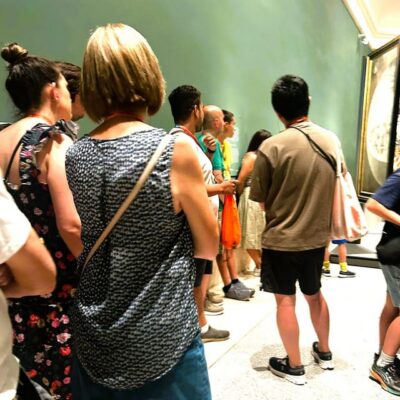
With a guide in your group, you’re not just reading labels. You get story order, themes, and connections between eras. The tour is designed to help you understand Spain through its material culture, so the objects you see start to feel like evidence, not decoration.
You also skip the ticket line, which is a real convenience in a big museum. Even if you’re a confident self-guided traveler, this keeps your time aligned with the guided portion.
Iberian sculpture highlights, and how to look at them
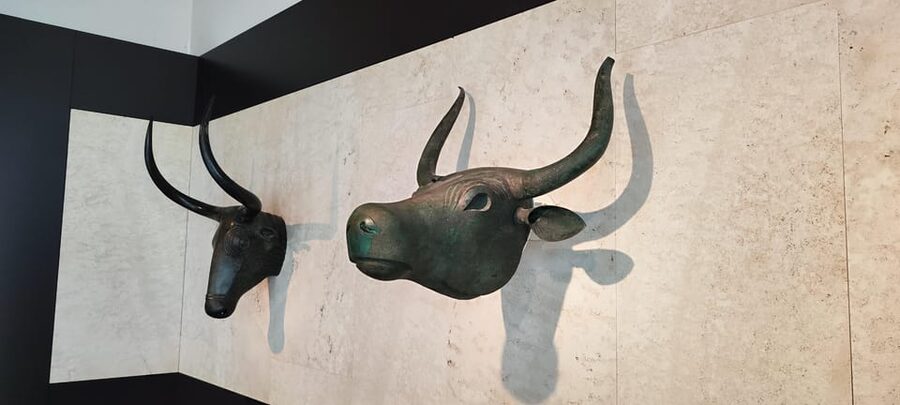
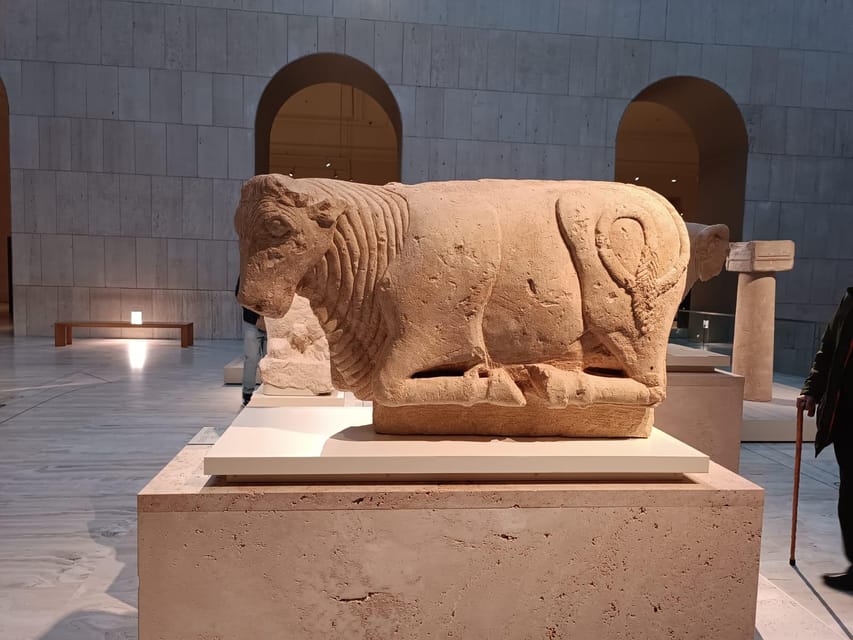
One of the most direct selling points is the Iberian sculpture collection. This is where the tour can feel especially rewarding if you usually look at museums passively. The Iberian world is often presented briefly in travel, but here it gets space and attention.
What you should pay attention to is how sculpture style, subject, and craftsmanship signal cultural contact and local identity. Even if you don’t know the technical terms, your guide can point out what to notice, like how the forms communicate status and belief, and how these works fit into a broader Spanish narrative rather than existing alone in a glass case.
If you love standout single objects, this section is a strong reason to book. It’s the kind of segment where the guide’s interpretation can turn a quick look into an “I get it” moment.


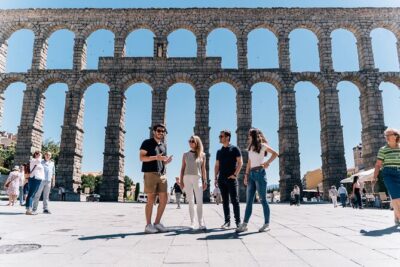


Roman sculpture courtyard: seeing classical art as a room
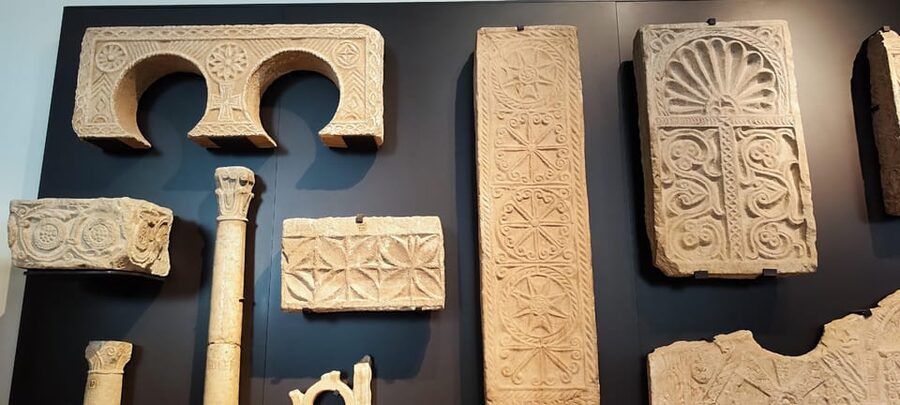
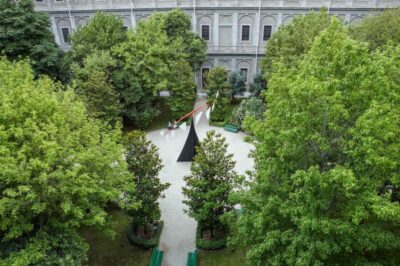
Next, you walk through the Roman sculpture courtyard. This is a smart choice because Roman art is easier to understand when you see how it sits in architectural space. A courtyard changes your perspective, and it helps you notice that sculpture was made for settings, not only for galleries.
This part is a good fit if you’re the type who likes to compare eras side-by-side. In your head, you’ll start stacking impressions: Iberian figures you’ve just seen, then Roman works in a space with a different visual logic. The result is that the guide’s timeline doesn’t stay theoretical. You can feel it.
Also, Roman art tends to be visually readable even when you’re new to the subject. You’ll likely find it easier to ask questions here, because the forms and themes are often less abstract than you might expect.
The tour’s big promise: Spain’s 10,000-year story in one flow
The museum visit is built around a long timeline, and the tour themes are clear. You’re guided through connections that touch on:
- prehistory, including references like the Altamira Caves
- Roman Hispania, through the material culture of the classical period
- Al-Andalus, explained through what survives and how it reflects life and power
- Spain of the Bourbons, so later periods are not ignored
The value here is focus. In many museums, the “long history” claim can feel like a marketing line. In this format, the guide’s job is to choose what to point out so you walk away with a coherent mental map.
I especially like it when a tour includes major, recognizable masterpieces as anchors. The National Archaeological Museum has famous pieces such as the Lady of Elche, the Treasure of Guarrazar, and the Neperian Abacus. Even if you only catch them briefly, having a guide tell you what makes each object significant helps you place it in context.
The Neperian Abacus, for example, can feel like a curveball in a history museum. That’s a good sign. It reminds you that “archaeology” is not only graves and pottery. It’s also technology and problem-solving tools that show how people thought.
Al-Andalus legacy: beyond decoration
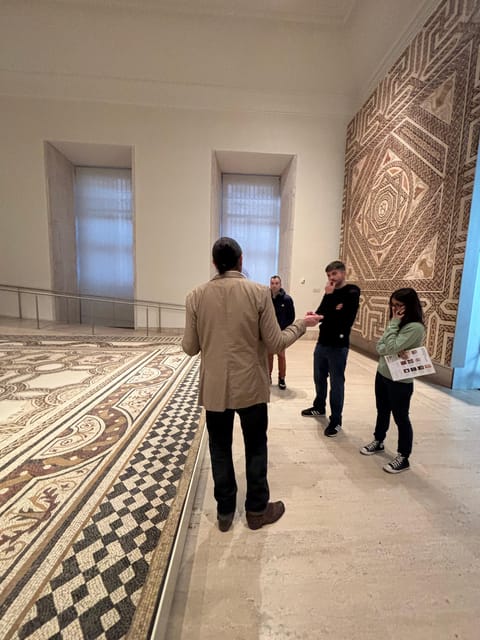
The tour highlights the legacy of the Andalusian culture. This segment is more useful than it sounds, because Al-Andalus is often flattened in casual travel talk. Here, the museum’s approach to material culture is the key. You’re not just seeing an aesthetic. You’re seeing evidence of how people organized ideas, objects, and daily life.
What you can do to get more out of this part is use the guide to connect what you see to what you already know about Islamic art patterns, architecture, and inscriptions. Then compare that to how earlier eras handled representation and symbolism.
If you want a balanced visit, this Al-Andalus focus helps correct the typical Madrid museum imbalance. You get multiple layers of Spain’s identity, not just the easiest-to-market ones.
The guide can make or break a museum tour
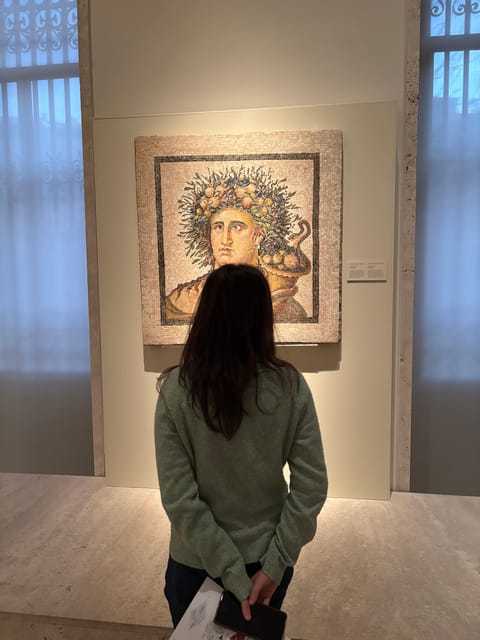
The best part of this experience is the human factor. In one example, the guide was named Angel, and the tour was described as personal, fun, and very strong on expertise. That kind of guide presence is what you want in a museum like this, where the difference between good and great visits is often how well the guide translates objects into meaning.
Even when you already know a bit, a prepared guide helps you notice what you might otherwise miss. You also get live language support in English or Spanish, which is useful in a museum full of detailed descriptions.
So if you’re choosing between skipping a guide and going guided, go with guided. In this case, the tour is designed around helping you read the collection as a story.
Price and value for $34, not just the sticker number
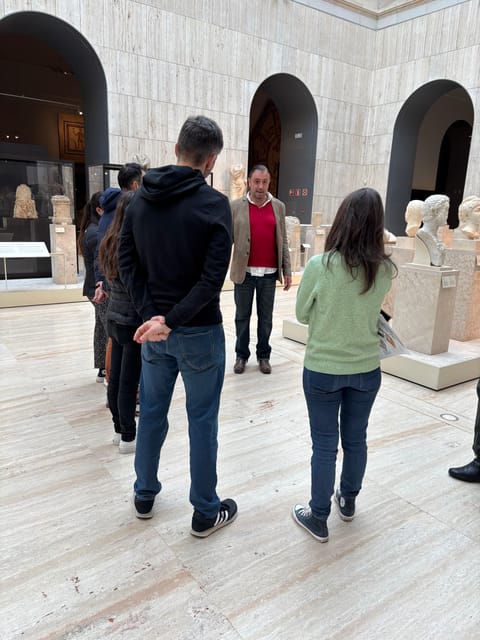
The price is $34 per person for a 1.5-hour experience that includes tickets and an official guide, plus skip-the-line entry. That’s the value equation you should look for.
If you were to go fully self-guided, you’d still pay museum admission, and you’d spend time figuring out what to prioritize. With this tour, you’re paying for someone else to do the sorting. The benefit is not just convenience. It’s time quality, because the guided format pushes you toward the most meaningful stops rather than letting you wander and miss the big anchors.
This is also a good price point for a “one museum” day. You can spend the rest of your time exploring Madrid without needing a second long museum commitment.
Timing, planning, and the one real risk: holiday hours
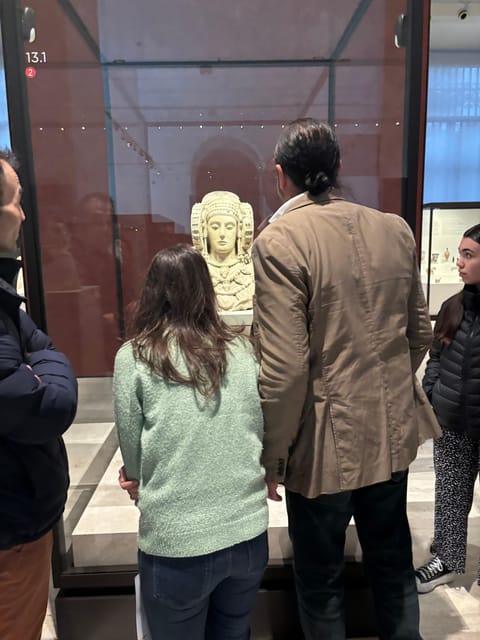
The tour duration is 1 hour and 30 minutes, and it’s important to match your day to that window. You’ll meet next to the Velazquez monument and should arrive 15 minutes early.
Here’s the practical caution I’d take seriously: on some holiday dates, the museum can close early. One reported example mentioned a closing time of 15:00. If that kind of schedule change hits your planned visit, timed tours can get disrupted.
What you should do: if you’re traveling during a Spanish holiday period, check the museum hours for that specific day before you commit your timetable. And if your schedule is tight, build a cushion so you are not forced into a last-minute scramble.
Who this tour fits best
This Naturanda tour makes the most sense if you want:
- a guided overview that actually helps you understand what you’re seeing
- a structured route through major highlights across eras
- an easy, time-efficient museum plan in Madrid
You’ll also like it if you’re traveling with only a limited amount of museum time but still want the “Spain’s timeline” effect. If you’re the type who enjoys asking questions, the official guide format gives you a chance to clarify confusing labels and context without feeling lost.
If you’re the kind of traveler who likes total freedom and long stays in one room, this might feel short. But as a focused introduction, it works well.
What to do before you arrive (so the tour lands with impact)
You don’t need to study archaeology beforehand. But you can set yourself up for a better visit with a few small moves.
- Wear comfortable shoes for indoor walking. The route moves through multiple galleries and spaces.
- Have your phone ready for quick reference photos if you like to review later.
- Bring curiosity about how objects connect to belief, power, and everyday life, not just how they look.
And if you see a major object like the Lady of Elche or the Treasure of Guarrazar mentioned in the guide’s story, pause mentally. Those are anchor moments. Let the guide explain what makes them important, then look again with that explanation in mind.
Should you book this National Archaeological Museum tour?
If you want a smart, guided way to understand Spain across multiple eras in just 90 minutes, I think this is an easy yes. The tour checks the key boxes: skip-the-line, official guide, tickets included, and a route that targets major highlights rather than leaving you to guess where to start.
The only reason to pause is timing risk on holiday dates when museum hours can change. If your travel day is flexible, you’re good. If you have a strict itinerary, you should confirm the museum’s hours for that day before booking.
Overall, this is a strong choice for travelers who like museums but want the meaning delivered, not discovered the hard way.
More Museums in Madrid


More Tour Reviews in Madrid



Fresh ways to see Madrid
- Tour to Toledo & Madrid CitySight Seeing Tour
- 2-Day Guided Tour to Cordoba and Seville from Madrid
- Private Transfer from Madrid Airport to Madrid Hotels
- Wine Tasting and Flamenco Master Class in Madrid
- Prado Museum and Royal Palace Private Tour in Madrid
- Monastery Royal Barefoot Visit with entrance without waiting for queues
More ways into Museums
 ★ 4.6Prado Museum Entry TicketFrom $2117,509 reviews
 ★ 4.5Reina Sofía Museum Entrance TicketFrom $146,889 reviews
 ★ 4.6Small Group of Prado Museum Tour & Optional TapasFrom $532,437 reviews
 ★ 4.5Prado Museum Guided Tour with Skip-the-Line TicketFrom $462,018 reviews
 ★ 4.1Museum of Illusions TicketFrom $171,909 reviews
 ★ 4.8Prado Museum Guided Tour With Fast AccessFrom $281,785 reviews
 ★ 5.0Prado Museum Small Group Tour with Skip the Line TicketFrom $541,738 reviews
 ★ 4.5Royal Palace & Prado Museum Skip the Line Guided TourFrom $821,347 reviews
Try another angle on the same itinerary