

REVIEW · TICKETS
Ticket Entrance to the Madrid Nougat Museum
Step into Madrid’s sweet history. The Madrid Nougat Museum focuses on Jijona, one of Spain’s best known Christmas confections, and it does it through visuals and production stories you can actually follow. I like that you get a clear route inside, starting with the almond and ending with what the museum sells.
Two big wins for me: the museum highlights the technological and economic history behind Jijona nougat, and it connects that story to real products you can taste at the end. One thing to consider, based on mixed experiences, is that timing can be awkward if you arrive right when the museum is transitioning or if a presentation stalls, so give yourself a little buffer time.
Key things to know before you go
- Almond first: Start with the almond tree, then trace the dried fruit journey toward nougat.
- Jijona linked to nougat: The museum zooms in on Jijona’s production story and why it matters.
- Turróneros clothing: You can see how the typical workers’ clothing evolved since the 18th century.
- Company history as a selling point: The idea that the makers’ story is part of the final product is built into the experience.
- Tasting included: Finish with a tasting of products sold on site, including classic Jijona.
- Small ticket, mixed expectations: At around $5, you should treat this as a focused museum plus tasting, not a huge multi-hour production.
Another Madrid route worth weighing up
- Madrid: Tour Bernabéu Entry Ticket★ 4.5 · 21,573 reviews
- Madrid: Prado Museum Entry Ticket★ 4.6 · 17,509 reviews
- Avila & Segovia Tour with Tickets to Monuments from Madrid★ 5.0 · 9,762 reviews
- Madrid: Reina Sofía Museum Entrance Ticket★ 4.5 · 6,889 reviews
Casa 1880 ticket: what you really get for about $5

For roughly $5 per person and a 1 day time window, this entry is a straightforward add-on for your Madrid eating plan. The ticket gives you entrance to the Nougat Museum 1880 and a nougat tasting. That simplicity is a plus. You are not buying a complex itinerary, you are buying access to a concentrated topic: Jijona nougat, how it is made, and how it became tied to Spanish holiday culture.
I think the best value here is the way the museum frames nougat as more than just a flavor. It treats the sweet like a local industry with roots, tools, and people. Even if you just like turrón and want something different from another Christmas shop, you still walk out with a better sense of what you are tasting.
Finding the place: meeting at Casa 1880’s shop front
You meet at the Tienda (Shop Boutique), Casa 1880. That matters because it signals the museum’s identity: this is not tucked away in a distant gallery. It is connected to a shop environment, and it ends in the same commercial orbit.
So if you are the kind of traveler who likes to plan with precision, arrive with clear expectations. You are entering through a shop front and moving into the museum spaces from there. If you are pairing this visit with other food stops, plan it for earlier in your day so you are not rushing if the museum needs a moment to get started.
Inside the museum: the almond story that makes the rest click

The visit starts right where it should: with the almond. The museum encourages you to begin with the almond as the protagonist of the delicacy. You can follow information panels that explain flowering of the almond tree and trace how the dried fruit makes its way toward nougat.
I like this approach because it answers a question you might otherwise skip over. Most people taste nougat and think it is just sugar and almonds. Here, you are guided to see the supply chain angle, from agriculture to finished holiday sweetness. It gives you a reason to pay attention to the ingredient details instead of letting them blur together.
And because it is built around a logical first step, it works even if your Spanish is basic. The core concept is easy to track: almond to production process to turrón.
Another Madrid route worth weighing up

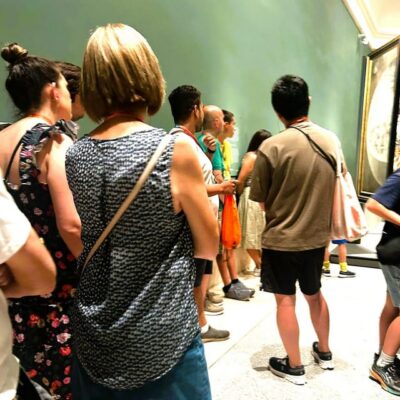



Jijona nougat history: dates, tradition, and what makes it specific

After the almond section, the museum shifts to the history of nougat and why it shows up on major Spanish dates. You also get a focus on unique production under the Jijona Designation of Origin.
That Designation of Origin piece is useful because it gives you a framework for what you are tasting. Instead of treating all nougat as the same holiday candy, you learn there is a specific regional identity tied to how Jijona nougat is made. If you are trying nougat in Madrid and later compare it to what you might see elsewhere in Spain, this context helps you notice differences.
The museum also calls out a specific historical angle: it highlights what it describes as the only historical reference in the manufacture of the traditional Jijonenco sweet. The wording may be narrow, but the takeaway is big. This is not generic food folklore. It is pointing you to one recognized thread in the product’s manufacturing past.
How production shaped Jijona: technology and economics, not just recipes

One of the museum’s strongest themes is technological and economic history of Jijona linked to nougat. In practical terms, that means you are not only learning about ingredients and flavor. You are learning about how the industry functioned, how production evolved, and why Jijona became associated with this Christmas treat.
For me, that is the core value. Food museums often stop at ingredients. Here, the museum tries to connect the sweet to the real world that created it: work, production thinking, and the local economy built around this product.
Even if you are short on time, this section helps you make sense of why turrón is such a serious part of Spanish Christmas culture.
Turróneros clothing: a small detail that adds real character

Another detail you will see is the typical clothing of the turroneros and how it evolved since the 18th century. That kind of display might sound minor, but it does two things well.
First, it puts faces and roles into the story. Nougat production is a craft, not a factory trick. Second, it gives you a quick visual timeline that makes the history easier to remember. You do not have to translate every sentence perfectly to understand the point.
The idea that company history is part of what you buy

The museum’s own framing is honest and clever: the history of a company becomes part of the product that the company sells. That concept shows up through the way the experience is set up around both storytelling and tasting.
This matters because it changes how you shop at the end. You are more likely to read labels carefully and choose based on what the museum explained, not only on what looks festive. It is also a good reminder that a lot of food value is emotional and cultural, not only technical.
If you enjoy food culture as a way to understand a place, you will appreciate this “story equals product” lens.
Tasting at the end: what to expect and how to pace it

The experience ends with a tasting of products sold at 1880 Turrón Museum. The set includes items such as Jijona, egg yolk nougats, or chocolate nougats, plus marzipan and polvorones.
Here is how to make the tasting actually useful. Go in with a plan to compare a couple categories, not just taste everything randomly. For example, pay attention to almond-forward flavors like Jijona, then compare them to chocolate or egg yolk nougat. That way the tasting becomes a mini lesson, not just a sugar pass.
Also, because the museum is tied to a shop, manage expectations about what kind of tasting it is. Some experiences have felt more like a quick sampling than a full, separate event. So I recommend treating it as a included “try before you buy” moment. At this price point, that is usually the right mindset.
Language and atmosphere: Spanish only, so go for visuals

The materials are listed as Spanish. That does not mean you are stuck if you do not speak Spanish. Much of what you described sounds panel based and visually organized, so you can follow key themes through layout and topic headings.
Still, if you want to understand more deeply, consider going with someone who reads Spanish well, or spend a few minutes before you start scanning for the labels that match your interests, like Jijona Designation of Origin or almond flowering. The visit is built for people who want the story, and you will get more from it if you catch the main headings.
Value check: who this museum ticket suits best
This ticket fits best if you like food history and want a quick, focused stop. It is also a smart pick if you want a Madrid holiday experience without committing a full afternoon to a large attraction.
You will likely enjoy it if you:
- like regional Spanish specialties and want a clear Jijona focus
- enjoy learning how ingredients and production connect
- are curious about craft and tradition, including workers’ roles
You might find it less satisfying if you:
- expect a long, deep guided experience with hours of tasting
- want a major English-led production-style tour
- are sensitive to delays, since some negative experiences described issues with getting started
Timing tip: protect your schedule if the start feels off
This is the one practical point that can make or break the day. One negative experience involved arriving and waiting close to an hour because of a presentation problem, and then deciding not to return. That suggests the museum can have operational hiccups, even if most visits are smooth.
So here is the simple advice I would give you: if you have a tight itinerary, do not schedule this as the first thing right at the edge of your day. Build in slack. If you are connecting from another activity, avoid rushing with a hard deadline like a dinner reservation in 15 minutes.
Should you book the Madrid Nougat Museum ticket?
Book it if you want a compact Madrid stop centered on Jijona and you value learning what you are tasting. For the ticket price, the included entrance and tasting are a solid deal, especially because the museum pushes beyond flavor into production, economic context, and the visual culture of turroneros.
Skip it or look for a different option if you need a big guided show or if you only want a tasting without any interest in the almond and Jijona storyline. In that case, this experience can feel too narrow.
If you do book, go with the right mindset: treat it as a focused museum plus a shop tasting. You will leave with better context and a smarter way to choose what to buy next.
FAQ
Where is the meeting point for the Madrid Nougat Museum ticket?
You meet at the Tienda (Shop Boutique) at Casa 1880.
How much does the entrance cost?
The price listed is $5 per person.
How long is the experience?
The ticket is valid for 1 day, with starting times based on availability.
What is included with the ticket?
Entrance to the Nougat Museum 1880 and a nougat tasting are included.
Is the tasting included, or do I pay extra?
The tasting is included as part of the ticket.
What language is the experience available in?
The information is listed as Spanish.
Is free cancellation available?
Yes, free cancellation is available up to 24 hours in advance for a full refund.
Can I reserve without paying immediately?
Yes, you can reserve now and pay later.
Is the museum experience specifically about Jijona nougat?
Yes. The museum focuses on Jijona nougat, including its history and production background.
More Museums in Madrid


More Tickets in Madrid


More Tour Reviews in Madrid


Fresh ways to see Madrid
- Tour to Toledo & Madrid CitySight Seeing Tour
- 2-Day Guided Tour to Cordoba and Seville from Madrid
- Private Transfer from Madrid Airport to Madrid Hotels
- Wine Tasting and Flamenco Master Class in Madrid
- Prado Museum and Royal Palace Private Tour in Madrid
- Monastery Royal Barefoot Visit with entrance without waiting for queues
More ways into Tickets
 ★ 4.5Tour Bernabéu Entry TicketFrom $4121,573 reviews
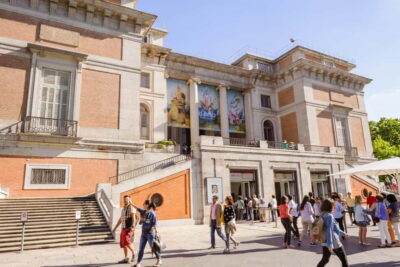 ★ 4.6Prado Museum Entry TicketFrom $2117,509 reviews
 ★ 4.6Royal Palace Fast-Access Admission TicketFrom $2613,856 reviews
 ★ 5.0Avila & Segovia Tour with Tickets to Monuments from MadridFrom $819,762 reviews
 ★ 4.5Reina Sofía Museum Entrance TicketFrom $146,889 reviews
 ★ 4.6Avila and Segovia Day Trip with Tickets to MonumentsFrom $744,568 reviews
 ★ 4.8La Cueva de Lola Flamenco Show Tickets with DrinkFrom $382,567 reviews
 ★ 4.3From Madrid: Segovia & Avila Day Trip with Optional TicketsFrom $592,161 reviews
Try another angle on the same itinerary