
REVIEW · MADRID
The Making of Malasaña
Malasaña has a past you can still see. This guided tour shows the trendy streets of Malasaña through the uprisings that shaped it, the colorful people who lived there, and how it became a nightlife hub. I especially like Felicity style storytelling, with smart context that keeps moving, and the rare sights like Madrid’s Sistine Chapel ceiling you would miss on your own.
The main thing to consider is that this is a weather-dependent walking tour, and not every stop has its admission included. The Church of Saint Anthony of the German has admission not included, while the Museo de Historia de Madrid is included.
Key highlights from The Making of Malasaña
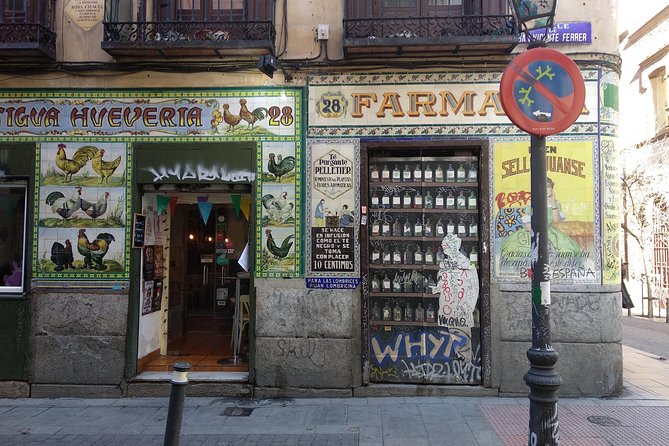
- Microteatro’s origin story: a micro theatre that started life in a former brothel, helping mini plays go global
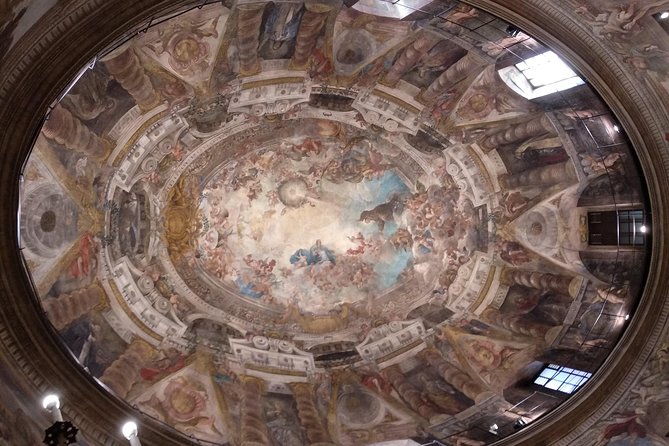
- The Church ceiling locals call Madrid’s Sistine Chapel: a hidden artwork behind plain walls
- Museo de Historia de Madrid + Goya: a storyline tied to a queen, an adviser, the French invasion, and a very controversial Goya painting
- Neighborhood focus, not a city lecture: you walk Malasaña streets and learn why they look the way they do
- Private tour format: only your group participates, so it feels more personal than a mass walk
- Off the beaten track momentum: expect lots of anecdotes and practical tips, with a drink and tapas possibility afterward based on past experiences
Keep the day moving with these well-rated choices around Madrid.
- Madrid: Tour Bernabéu Entry Ticket★ 4.5 · 21,573 reviews
- Madrid: Prado Museum Entry Ticket★ 4.6 · 17,509 reviews
- Madrid: “Emociones” Live Flamenco Performance★ 4.8 · 12,866 reviews
- Madrid: Panoramic Route City Tour★ 4.1 · 12,259 reviews
Why Malasaña feels different when you walk it with a guide
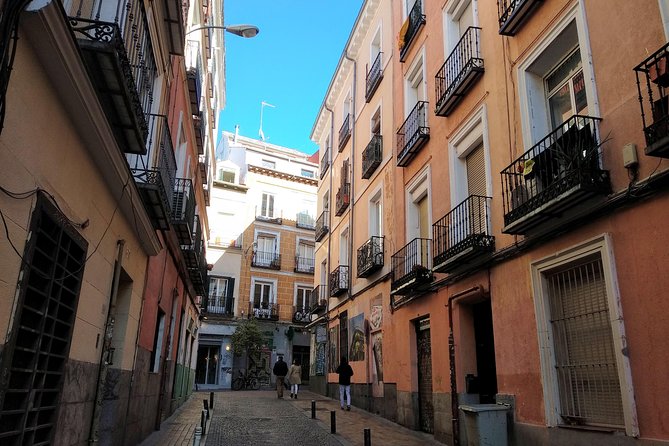
Malasaña today is loud in the best way, but the district did not always live for nightlife. This tour frames Malasaña as a place of movement and tension, shaped by the uprisings that played out in the area, plus the quirky characters who made it home. That matters because it stops you from treating the neighborhood like just another fun zone to wander through.
What I really like is the way the stories connect the street-level scenes to bigger historical shifts. Guides on this tour are known for doing serious prep, then turning it into clear, entertaining explanations that keep you listening instead of passively following. Felicity in particular comes through as friendly and engaging, with a witty style that makes the facts stick.
You also get extra layers beyond the most obvious Madrid highlights. In feedback from past guests, Moorish influence in Madrid comes up as part of the context, which can help you see the city as more interconnected than you might expect from just looking at it.
Planning your 2-hour route: pace, walking, and what to bring
This is about 2 hours, so it’s a focused sampler. You are not trying to cover all of Malasaña, you are trying to learn how to read it, and that’s a very doable length for a first visit.
The route is built around short but meaningful stops, then connecting them with stories while you walk. Microteatro is only about 5 minutes, the church stop is about 3 minutes, and the museum time is about 15 minutes. That structure keeps the pace brisk, so plan to keep moving and bring comfortable shoes.
Because the tour depends on good weather, check the forecast before you go. If your day runs hot, bring water. If it’s chilly, bring a light layer. Even if you are mainly there for history and art, you will still be outside enough that weather matters.
If you are relying on public transport, good news, the tour is near Tribunal metro. The meeting point is in Centro, and the ending point is also in Centro, close enough to keep you within an easy radius for dinner.
Microteatro in a former brothel: why this stop is more than a quirky photo
Microteatro is the kind of place you might walk past without realizing how much history is stuck inside the walls. It started in a former brothel, then became a micro theatre, and that idea of mini plays caught on. The tour uses this stop to show how Malasaña has a pattern: the neighborhood repurposes space, then turns it into something that spreads beyond Madrid.
This is one of those stops that works for both types of travelers. If you love culture, you get the theatre angle, including how mini plays went from local to global. If you love social history, you get the transformation theme, how a district with a complicated past can still make room for art and entertainment.
Admission here is free for the stop itself, so it’s a low-friction start. Expect to see and hear enough to connect the building’s past with what you are looking at now, not just a name and a location.


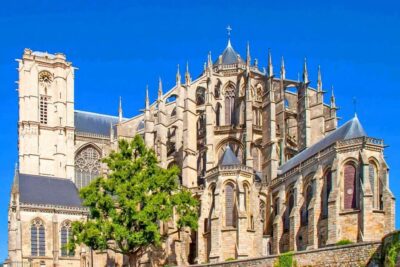

Finding the Church of Saint Anthony of the German and the ceiling called Madrid’s Sistine Chapel
The church stop is short, but it packs a punch because the artwork is hidden behind plain expectations. The Church of Saint Anthony of the German is the spot people refer to as Madrid’s Sistine Chapel ceiling, which is exactly the kind of detail you would not guess from the outside.
It’s also the kind of stop that proves the value of a guided walk. The tour team points out what you need to look for, so you actually notice the ceiling feature instead of spending your time trying to figure out what is special.
One practical note: admission for this church is not included. If you want to avoid surprises, bring a little extra cash or ensure you can handle on-site ticketing. If you are budget-focused, this is the one stop where you may need to plan slightly more than the others.
Museo de Historia de Madrid: queen, adviser, the French invasion, and a controversial Goya painting
The museum stop is the most time-intensive part of the tour, about 15 minutes, and it’s built for storytelling plus an art payoff. You’ll hear how a love affair involving the queen and one of the king’s advisers connects to the French invasion of Spain. That is a wild chain of events, and the tour uses it to show how personal politics can become national history.
Then you get the art moment. The museum visit includes seeing Goya’s most controversial painting. The guide does not just point at it, they frame why it caused such friction, and why it matters to understanding Madrid’s cultural memory. Even if you are not a Goya expert, this is a good introduction because the tour gives you the story you need to make the painting feel relevant, not random.
Museum admission is included, so you get a clear value advantage here. You also avoid the frustrating feeling of paying for a guided walk and then having to pay again for the main art stop.
The value question: is $356.05 a fair price for 2 hours?
At $356.05 per person for an about 2-hour private walking tour, the price is not cheap on paper. But value is not only the number, it’s what you gain for the time.
Here is what you are getting that justifies the cost for the right traveler:
- A curated route through Malasaña with purposeful stops, not a random stroll
- A guide who is known for research-heavy storytelling and keeping groups engaged
- Included admission at the Museo de Historia de Madrid, plus free entry at Microteatro
- A private format, so it’s your group only, not a shared experience that can dilute questions and pacing
What could make it feel less like a bargain is the church admission not included, and the fact that the tour is weather-dependent. You are also limited to a short timeframe, so you will not get a year of Malasaña history.
But if you want an efficient way to understand why Malasaña is culturally complex, this is strong value. You leave with a street-level reading of the neighborhood, plus details you can actually use the next day when you wander.
Meeting point and end point: build an easy evening around it
You start at BULANCorre, Baja de San Pablo, 2 in Centro. The tour ends at El Penta Bar, C. de la Palma, 4, also in Centro, near Tribunal metro. That is useful because it gives you a clean way to plan dinner or a casual nightcap right after.
In past experiences, guides often give practical tips for what to do next, and a drink and tapas afterward is mentioned as a common way the night continues. Even if you keep it simple, having a guide point you toward good options in Malasaña saves time, especially if you do not want to wander into tourist traps.
Another small advantage of the route structure is that the story timing matches your attention. Microteatro sets the tone early with transformation. The church gives you a visual payoff that feels surprising. The museum anchors the history with a major art connection. By the time you finish, the neighborhood feels like a coherent story instead of disconnected sights.
Who should book this tour, and who might prefer another option
This tour is a great fit if you:
- Want a Malasaña orientation that goes beyond nightlife
- Like walking tours where the guide connects street scenes to historical context
- Enjoy art history when it comes with a narrative hook
- Prefer a private setup where you can ask questions without competing for attention
It may not be your best choice if you:
- Dislike walking in variable weather, since good weather is required
- Are hoping for a long list of major monuments, this route is focused on a few high-impact stops
- Want every stop’s admission included, because the church admission is not included
It also helps if you enjoy fact-filled storytelling. Past guests highlight the guide’s research, entertaining anecdotes, and the way the tour ties broader context into the neighborhood story.
Should you book The Making of Malasaña?
I think you should book this tour if you want Malasaña to make sense fast. For about 2 hours, you get a guided explanation of why the district looks and feels the way it does, plus you see specific sights you would likely miss without help, like the ceiling referred to as Madrid’s Sistine Chapel.
The price is high enough that you should go in with the right mindset. Treat it as a paid shortcut to understanding, not as a low-cost casual walk. If that fits you, you will probably feel like you got your money’s worth in clarity, storytelling, and the included museum payoff.
FAQ
How long is The Making of Malasaña tour?
The tour lasts about 2 hours.
Is admission included for all stops?
Microteatro has admission ticket free, the Church of Saint Anthony of the German does not include admission, and Museo de Historia de Madrid includes admission.
Where do I meet, and where does the tour end?
You start at BULANCorre on Baja de San Pablo, 2 in Centro, and you end at El Penta Bar on C. de la Palma, 4 in Centro. The end point is close to Tribunal metro.
Is this a private tour?
Yes. It is a private tour or activity, so only your group participates.
What if the weather is bad?
This experience requires good weather. If it is canceled due to poor weather, you will be offered a different date or a full refund.
Can I cancel for a full refund?
Yes, free cancellation is available. You can cancel up to 24 hours in advance for a full refund, and cancellations less than 24 hours before the experience start time are not refunded.
More Tour Reviews in Madrid



Fresh ways to see Madrid
- Tour to Toledo & Madrid CitySight Seeing Tour
- 2-Day Guided Tour to Cordoba and Seville from Madrid
- Private Transfer from Madrid Airport to Madrid Hotels
- Wine Tasting and Flamenco Master Class in Madrid
- Prado Museum and Royal Palace Private Tour in Madrid
- Monastery Royal Barefoot Visit with entrance without waiting for queues