

REVIEW · WINE TOURS
Tasting of Iberian Hams with Wine or Cava Pairing
In Madrid, a 30-minute ham tasting can feel like a shortcut to Spanish flavor. You taste three Iberian ham styles, get a clear explanation in English and Spanish, and pair every slice with a glass of wine or cava. It is not a rushed stop. It is structured, and it gives you a way to shop later without guessing.
I especially like two things: the hands-on comparison between ham types, and the fact that the staff explain what you are tasting instead of just pouring and moving on. Another plus is the pairing, since salty, nutty ham tends to get even more interesting with wine or sparkling cava.
One consideration: this is a quick session. If you are hoping for a long, slow, in-depth food-and-history evening, you might want something longer than 30 minutes.
Key Points You Should Care About
- Three ham types to compare side by side, including 75% and 100% acorn-fed Iberian options
- Wine or cava pairing with each tasting, so you taste the contrast, not just the meat
- English and Spanish paper notes that help you remember what you liked and why
- Small group size (maximum 10 travelers), which keeps the explanations practical
- You can buy ham to take away, so the tasting can turn into a real souvenir
- Mobile ticket and return to the same meeting point, which makes logistics simple
Another Madrid route worth weighing up
- Madrid: Live Flamenco Show with Food and Drinks Options★ 4.5 · 9,901 reviews
- Toledo Tour & Vineyard Walk with Wine Tasting from Madrid★ 5.0 · 2,546 reviews
- Madrid: Tapas & Wine Tasting Tour with Local Guide★ 4.8 · 2,171 reviews
- Madrid Ultimate Spanish Cuisine Food Tour★ 5.0 · 1,010 reviews
Madrid’s Iberian Ham Tasting: Why This Feels More Like a Skill Than a Snack

I get it. “Tasting” can sound like tourist bait. But this one is different. You are not just sampling for the sake of sampling. You are learning how the ham categories differ, and you are training your palate to notice it.
Madrid is packed with food experiences. Many are great, but you can end up with a lot of consumption and not much clarity. Here, the goal is clarity. You leave knowing what you tasted and what makes each type distinct. And because you can buy ham to take away, it turns that knowledge into something you can actually use back home.
Also, the pairing matters. A clean glass of wine or cava is not a gimmick. It changes how the fat, salt, and aroma land on your tongue. You end up with a fuller picture, not just a salty bite.
Where You Start at C. de Atocha, 54, and How the Timing Really Works
You meet at C. de Atocha, 54, Centro, 28012 Madrid. The activity ends back at the same spot. That round-trip setup is a quiet win, especially if you are doing other things in Central Madrid and you do not want to play “where did that stand go?”
The tasting is about 30 minutes, give or take. On paper, that looks short. In practice, it works because the structure keeps you moving through the three ham types in an organized way. You are not stuck waiting for a slow group.
The operating window is wide, with sessions available Tuesday through Saturday from 9:30 AM to 11:30 PM. The wide range makes it easier to fit into a day that already includes museums, neighborhoods, or dinner plans.
Small group size, up to 10 travelers, also helps. Explanations can stay focused. If you have questions, you are less likely to feel like you are shouting into the void.
The Three Hams You Will Taste, and What to Listen for in Each Bite
The tasting covers three Iberian ham styles:
- the field bait ham
- 75% acorn-fed Iberian breed
- 100% acorn-fed Iberian breed
Even if you do not know the categories today, you will by the end. The staff will show you what each ham is and explain its characteristics. You also get paper notes in English and Spanish, so you are not relying only on memory.
Here is how I suggest you approach it as a comparison exercise:
Another Madrid route worth weighing up
1) Field bait ham, first impressions
Start with this one as your baseline. Notice how it smells and how it feels when it hits warm room air. You are trying to get a reference point for salt level, aroma, and texture. This first taste tells you what “lighter” or “less acorn-influenced” flavor can feel like in the ham world.
If you love clarity, this baseline is useful. It prevents the later acorn-fed hams from overwhelming your senses.
2) The 75% acorn-fed Iberian breed, the middle step
This is where you start seeing the shift. In general, acorn-fed ham categories tend to come with a richer flavor profile and a smoother mouthfeel. With 75% acorn-fed, you often get a balance between classic ham flavor and the fattier, more aromatic side that people associate with acorn feeding.
As you taste, pay attention to the finish. After you swallow, does the flavor stay nutty and warm, or does it fade quickly?
3) The 100% acorn-fed Iberian breed, the “top” comparison
This final slice is your “all-in” comparison. If you like depth, you may notice more complex aroma and a more pronounced richness. With 100% acorn-fed, the fat and flavor profile usually feel more cohesive, not just heavier.
Do not force yourself to like it the most. Your job is to understand what you prefer. Some people actually love the contrast between the categories, even if the top one is not their everyday choice.
The big win: you are tasting categories, not random slices
Most tastings are “here, try this.” This one is “try this, and here is why it tastes like that.” That difference changes what you remember later when you are shopping.
Wine or Cava Pairing: How to Taste Like You Mean It
You will pair each tasting with a glass of wine or cava. That means you are not just tasting ham. You are tasting ham plus drink.
Here is the simple method I use so the pairing stays meaningful:
- Taste the ham first.
- Take a sip after.
- Ask yourself one question: does the drink make it taste cleaner, richer, or more aromatic?
Ham is salty and fatty. Salt tends to sharpen flavors. Fat tends to soften bitterness and round edges. A wine or cava pairing can either cut through that richness or add an extra layer of fruit and sparkle.
If the pairing is cava, the bubbles can make the experience feel lighter between bites. If it is wine, you might notice more fruit notes and a slower flavor build. Either way, the point is the same: you learn how drinking changes what you perceive.
Also, you must be 18+ to have the alcohol. If you are traveling with kids, you will want to factor that into your plans, even though the tasting concept itself is still family-possible in general.
What the Paper Notes Do for You (Yes, They Matter)
You get information on paper in English and Spanish explaining each ham. That might sound minor, but it is one of the most practical parts of this experience.
Why? Because most food tastings fail at the “remember” stage. You taste something great, then days later you cannot recall what made it great. The paper notes give you a breadcrumb trail.
When you buy ham to take away, those notes help you choose with your own taste memory, not just packaging.
If you like to travel with your senses turned on, this is where the experience becomes more valuable. You are not leaving with only a full stomach. You are leaving with vocabulary.
Buying Iberian Ham to Take Away: How to Turn Taste Into a Good Purchase
One of the best features here is the chance to buy ham to take away. That is not an afterthought. It is part of the experience design.
Before you purchase, I recommend you do two things:
- Use the categories you learned. If you liked the 75% acorn-fed profile more than the 100% slice, you can buy within that lane.
- Ask questions about what you tasted and what you are about to take home. The staff explain the differences, so you can translate your palate preferences into a sensible pick.
Also, bring your decision back to the pairing logic. If the ham you loved tasted extra good with wine or cava, that is a clue for what you will enjoy at home. Ham is not one-size-fits-all. Some styles shine with sparkling drinks. Others feel more comfortable with a slow red.
If you are buying for gifting, having a clear story behind your choice helps. You can explain, in plain terms, that you selected based on the acorn-fed percentage and the flavor shift you noticed during the tasting.
The Local Feel, the Cozy Details, and Why Staff Quality Shows Up
The vibe you want in a tasting is simple: calm, helpful, and not sales-y in a pushy way. This experience is praised for exactly that kind of atmosphere, and you can feel why.
People mention the product quality and the treatment as in a league of its own. They also point out the decoration and the cozy feel of the space. That matters because a food tasting is sensory. If the room feels comfortable, you focus on smell, texture, and aroma instead of waiting for the next instruction.
One thing you might also appreciate is how the staff can show you more of the space if you are curious. Some visitors describe being guided through the local and hearing about a newer concept with roots in an ultramarinos shop. You do not need to chase extra details, but if you ask politely, you might get that extra context.
With up to 10 travelers, the experience is less like a cattle call and more like a small session where you can actually listen.
Price and Value: Is $28.92 Worth 30 Minutes?
At $28.92 per person, you are paying for three core things: multiple ham tastings, staff-led explanations, and a glass of wine or cava.
If you break it down, you are not just buying slices. You are buying time with people who can explain the differences between field bait and acorn-fed categories, and you are buying the paper notes that help you remember. That instruction is what makes it feel worth it, not just the tasting part.
You also get the option to buy ham afterward. That can change the value equation. If you end up purchasing, you are effectively using the tasting as a selection tool.
The only value risk is your expectations. If you want a long educational program, 30 minutes might feel brief. But if you want something efficient, small-group, and practical, this price lands in the “fair and useful” range.
One more tip: book ahead if you can. The average booking timing is about 12 days in advance, which suggests it is not something you should wait to the last minute.
Who Should Book This Ham Tasting, and Who Might Skip It
This is a strong fit for you if:
- you want to understand jamón ibérico categories quickly
- you enjoy guided food experiences where someone explains what you are tasting
- you like to shop smarter after a tasting, not just buy something blindly
- you are traveling with a group where you still want it personal, since the cap is 10 travelers
It might be less ideal if:
- you dislike alcohol pairings and you were hoping for a no-drink format (your experience still centers on wine or cava)
- you want a very long experience, this one is about 30 minutes
- you are looking for a full-day food route, because this is a tight, focused session
If you are the type who takes notes and likes to learn what makes a product different, you will probably get a lot out of this.
FAQ
FAQ
What kinds of Iberian hams are included in the tasting?
You taste three types: a field bait ham, a ham from a 75% acorn-fed Iberian breed, and a ham from a 100% acorn-fed Iberian breed.
Is there wine or cava included?
Yes. The hams are paired with a glass of wine or cava.
How long does the tasting last?
It runs for about 30 minutes.
Where does the tour start?
It starts at C. de Atocha, 54, Centro, 28012 Madrid, Spain.
Will I return to the same meeting point?
Yes. The activity ends back at the meeting point.
How many people are in the group?
The maximum group size is 10 travelers.
Do I get information in languages other than Spanish?
Yes. You receive paper notes with explanations in English and Spanish.
What are the operating days and times?
Sessions run Tuesday through Saturday, from 9:30 AM to 11:30 PM.
Is alcohol served to everyone?
Alcoholic beverages are for people over 18 years of age.
Can I bring a service animal?
Yes, service animals are allowed.
Should You Book This Iberian Ham Tasting in Madrid?
Yes, I think you should book it if you want a short, high-impact way to learn jamón ibérico while also enjoying a real pairing. This experience is built around comparison, clear explanations in English and Spanish, and a small group setting.
If your travel style is “I want to understand what I am buying,” this tasting is a smart use of time. Just go in ready to taste, take a few notes from the paper, and ask questions before you decide which ham you want to take home.
More Wine Tours in Madrid



More Food & Drink in Madrid

More Tour Reviews in Madrid




Fresh ways to see Madrid
- Tour to Toledo & Madrid CitySight Seeing Tour
- 2-Day Guided Tour to Cordoba and Seville from Madrid
- Private Transfer from Madrid Airport to Madrid Hotels
- Wine Tasting and Flamenco Master Class in Madrid
- Prado Museum and Royal Palace Private Tour in Madrid
- Monastery Royal Barefoot Visit with entrance without waiting for queues
More ways into Wine Tours
 ★ 5.0Toledo Tour & Vineyard Walk with Wine Tasting from MadridFrom $1332,546 reviews
 ★ 4.8Tapas & Wine Tasting Tour with Local GuideFrom $912,171 reviews
 ★ 5.0Madrid Tapas & Wine Tour with Rooftop Views and Local GuideFrom $1132,047 reviews
 ★ 5.0Paella Cooking Class in Madrid with Bottomless Wine PairingFrom $143985 reviews
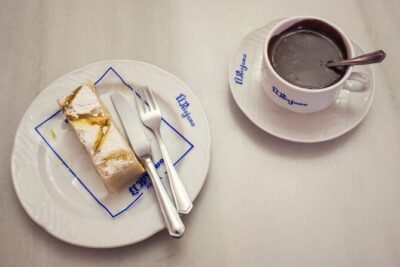 ★ 5.0Madrid Historic Centre Food Tour with Authentic Tapas & WinesFrom $78814 reviews
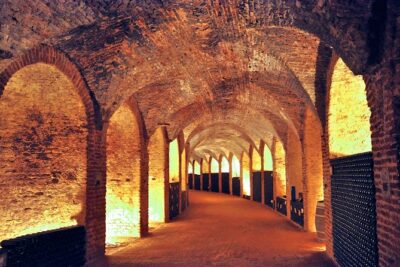 ★ 5.0Madrid Countryside Wineries Guided Tour with Wine TastingFrom $175740 reviews
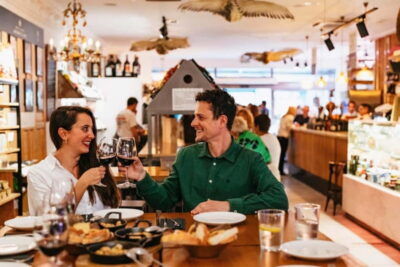 ★ 4.8Guided Tapas and Wine Tour with Terrace VisitFrom $106566 reviews
 ★ 5.0Old Madrid Tapas and Fine Wine Small Group TourFrom $101415 reviews
Try another angle on the same itinerary