
REVIEW · MADRID
10-Day Andalusia and Morocco from Madrid
Andalusia plus Morocco in one smooth rhythm.
I like this plan because you get guided time in big-ticket cities and you’re kept moving with an air-conditioned coach plus onboard Wi-Fi. I also like that the itinerary balances major sights with breathing room for your own wandering. One real drawback to keep in mind is that the Rabat hotel location may not suit everyone, with at least one past guest flagging a darker area.
This is a fast, sight-heavy route, and it works best when you enjoy being “on schedule.” The tour runs with a smallish group, up to 50 people, and it includes most key walking tours with local guides in Spain and Morocco. You also get ferry travel, so the switch from Spain to Morocco does not mean independent travel planning.
Before you go, read the practical bits carefully. You must clear customs with your own luggage, you’re limited to one piece per person, and your passport details are required to finish booking. If you like total spontaneity every hour, you might feel a little boxed in by the shared timing.
Key highlights worth your attention
- Seville with a guided backbone, from Maria Luisa Park to the Giralda and Santa Cruz
- Cordoba on foot, walking from Almodovar Gate through the Jewish Quarter to the Mosque/Cathedral
- Route of the White Villages plus Ronda, then a downshift to the Costa del Sol
- Rabat and Fez with expert guided context, including Tour Hassan and the medina of Fez El Bali
- Chefchaouen’s blue streets, built right into the Morocco half of the trip
- Alhambra and Generalife, with optional Sacromonte add-ons if you want more
Keep the day moving with these well-rated choices around Madrid.
- Madrid: Tour Bernabéu Entry Ticket★ 4.5 · 21,573 reviews
- Madrid: Prado Museum Entry Ticket★ 4.6 · 17,509 reviews
- Madrid: “Emociones” Live Flamenco Performance★ 4.8 · 12,866 reviews
- Madrid: Panoramic Route City Tour★ 4.1 · 12,259 reviews
Getting Oriented: Caceres to Seville with a smooth first day
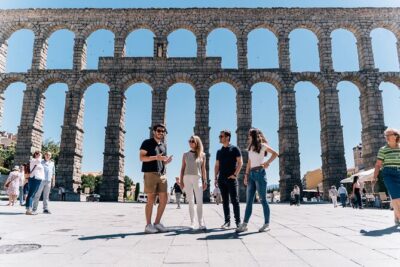
Day 1 starts early at the meeting point in Madrid, and you head west to Extremadura, arriving in Caceres. You get time to enjoy the Plaza Mayor and then wander the old medieval quarter, which is well preserved and recognized as a World Heritage site. Lunch is on your own, so you can grab something simple while you get your bearings.
Later you continue south to Seville for dinner and your hotel. This day is a classic “arrive, walk, settle in” setup. You’re not expected to see everything, which helps after a long ride.
If you tend to get hungry on arrival, plan for that first evening meal. The itinerary is structured, so your best chance to eat casually is during that first city stop in Caceres, before the Seville dinner.
Seville by guide: Giralda views, Santa Cruz lanes, and optional flamenco
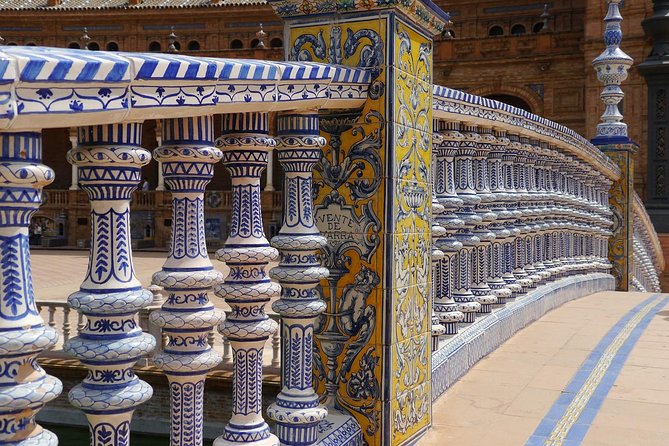
Seville is the kind of city where a good guide saves you time. On Day 2 you start with breakfast, then a city tour that includes Maria Luisa Park, Plaza de España, the outside of the cathedral, and the Giralda bell tower. You also spend time in Santa Cruz, with its squares and narrow alleys, which is where Seville starts to feel like a living maze.
You then have choices for extra time if you want them. There’s an optional river navigation on the Guadalquivir, with a panoramic view of the Gold Tower and Expo 92. Another option is visiting the Maestranza bullring, and in the evening there’s an optional flamenco show.
Lunch is at a restaurant on your own schedule during the afternoon break. My practical advice is to treat the optional activities like “pick one,” not “collect them all,” unless you’re a high-energy planner who loves late evenings.
Seville is also a place where you’ll want your camera ready for the turn of a street. The guided route gets you to the right neighborhoods, and after that you can slow down.
Cordoba on foot: Almodovar Gate, the Jewish Quarter, and the Mosque/Cathedral
Day 3 is one of the most satisfying days on the whole trip because it’s built around walking. After breakfast, you travel to Cordoba and start with a walking tour at Almodovar Gate. From there, you move through the Jewish Quarter and then onto the famous Mosque/Cathedral, which is the main reason most people come.
You also get time in the afternoon to enjoy Cordoba at your pace. That “free” portion matters here because Cordoba rewards slow strolling, not just ticking off landmarks. If you like lingering in courtyards or pausing to watch street life, this open time is exactly where you’ll feel it.
Dinner and your hotel follow, so this is a day that finishes in a comfortable, predictable way. If you’re prone to museum fatigue, Cordoba can still be intense, but the tour format keeps it focused and efficient.


White Villages, Ronda, and the Costa del Sol reset
Day 4 shifts you from major-city pacing to dramatic viewpoints. After breakfast you head out on the Route of the White Villages and include Ronda. You get free time there, which is smart because Ronda isn’t just a backdrop, it’s a place to stand and absorb the height and the bridges.
After that, you continue to the Costa del Sol area. This is your reset day, with dinner and accommodation that sets you up for the Morocco transition. In practice, it means you’re not squeezing in another “must-see” before you cross the Strait of Gibraltar.
If you want photos, Ronda and the viewpoints on the White Villages are the most photogenic parts of the Spain portion. Keep your timeline flexible enough to step back from the group for a few minutes, because the best views often require a slower pace.
Tangier crossing and Rabat: Tour Hassan and the Mohamed V mausoleum
Day 5 is the day that makes this itinerary feel like more than a Spain trip. You leave the Costa del Sol after breakfast, then embark for Tangier by crossing the Strait of Gibraltar. This is where the included fast-ferry tickets help, because you’re not left negotiating schedules yourself.
Once you arrive in Morocco, you continue toward Rabat. You stop for free lunch in Assilah, a city that you’ll likely enjoy for its atmosphere and easy wandering time, even if you just grab a quick meal and take in the streets. In the afternoon you arrive in Rabat for dinner and your hotel.
Rabat Day 6 is where the Moroccan side starts clicking into place. You visit key sights including Tour Hassan, the unfinished mosque dominating the esplanade, with more than 200 columns. Then you see the Mausoleum of Mohamed V, built in memory of the sultan who achieved independence, and you’ll notice the royal guard on horseback at the entrance to the monument.
This is one of those days where the guided context matters. Architecture and symbolism can feel abstract if you’re just looking. With a tour guide, it becomes easier to connect what you see with why it was built.
Fez: medina walking, 7 gates, and a UNESCO maze you can navigate
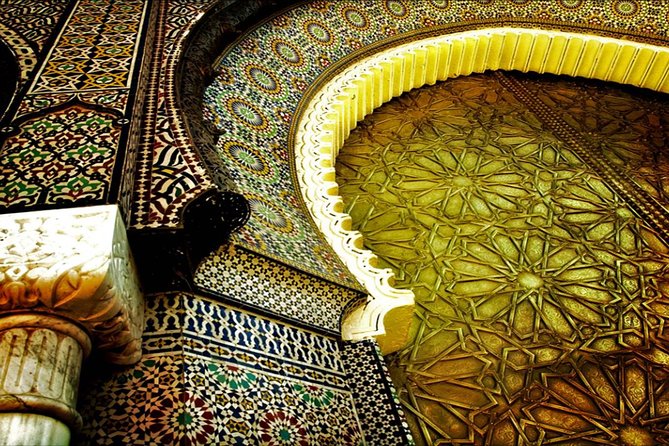
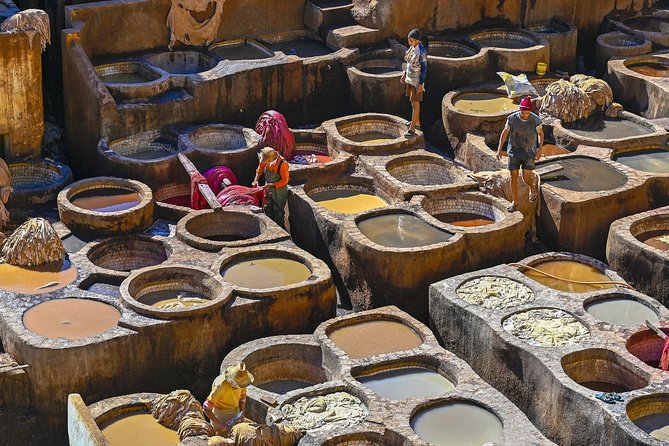
Day 6 continues on to Fez, described as the intellectual and religious capital. After breakfast you move from Rabat, and on arrival you get a panoramic tour that includes the royal palace and the 7 gates of Dar Al-Makhzen before heading into the medina area.
The big moment is Fez El Bali, the old medina and a UNESCO World Heritage site. You’ll be guided through a setting with 785 mosques and more than 2000 squares, streets, and alleys. That number can feel like a trivia fact until you’re standing there, and then you understand why a guide is worth the cost.
Lunch is included in a typical restaurant. After that you check in for accommodation. This matters because medina days can be tiring, even when you’re energized, and having a proper evening break helps you enjoy it rather than just survive it.
When you reach the medina, don’t try to memorize it. Instead, aim to enjoy the feel of the lanes and shopfronts, and let the guide help you orient where you are.
Chefchaouen blue streets, then Tangier for the night
Day 7 is a Morocco highlight that feels almost “different from the rest,” in the best way. After breakfast you head to Chefchaouen (often spelled Chaouen), one of the most picturesque spots in the country. You walk through the blue-painted streets and arrive at Outta El Hamman Square.
This is the kind of stop that’s visually intense but also easy to enjoy slowly. You get free time, so you can pause for photos, take a drink, or simply watch daily life unfold at the edges of the main lanes.
Then you depart for Tangier for dinner and your hotel. That’s an effective staging choice because it sets up your ferry back toward Spain on Day 8.
If you want the best photos, consider stepping away from the crowd at key street corners. The tour timing keeps you moving, but you can still steal a few quiet minutes for your own shots.
Back to Spain on the ferry, Costa del Sol comfort time
Day 8 starts with breakfast, then you have free morning time until departure to board the ferry to Spain. After you cross, you transfer back to the Costa del Sol area for dinner and accommodation.
This day is lighter than the others, which you’ll appreciate after two Morocco-focused days. It also gives you a moment to reset before the big finale of Granada and Toledo.
Practical tip: if you’re someone who gets stiff on travel days, use this morning and ferry time to adjust your posture and stretch before you reach the next hotel check-in.
Granada and the Alhambra: Generalife gardens and optional Sacromonte
Day 9 brings you inland to Granada. You visit the spectacular group of monuments at the Alhambra and the Generalife, the former residence of the Moorish kings. You’ll see the fountains, gardens, and arches that make this one of Spain’s most recognized sites.
Dinner and accommodation follow. There’s also an optional add-on: the caves of Sacromonte and a typical show with flamenco elements. If you’re torn, ask yourself whether you want more structured sightseeing or more performance-based evening time.
This is another day where a good tour rhythm helps. When you get to the Alhambra, there’s a lot to process, and it helps to have your guide connect the sights to the overall layout.
Even if you do the optional show, keep it modest. Don’t plan a “two big nights in a row” if you want to enjoy your final day in Toledo without rushing.
Toledo day from Madrid: Mirador del Valle and old town walking
Day 10 is your grand finale that stays close to home. After breakfast you depart for Toledo, described as the Imperial City full of history and monuments. You have lunch and then a panoramic view from Mirador del Valle before walking through the old town.
Then you continue to Madrid and arrive to end the services back at the meeting point. It’s a satisfying close, because you end with a city that’s walkable and dramatic, without needing a second big border crossing.
If you’re buying souvenirs, Toledo is a smart place to do it. It’s also a good day to keep your pace steady, since you’re not trying to fit in Morocco again.
Price and what you truly get for $1,797.71
This tour costs $1,797.71 per person for about ten days. On paper, that might look high if you compare it to a DIY plan, but the value logic changes once you count what’s handled for you.
You’re getting:
- Transportation by air-conditioned coach with onboard Wi-Fi
- Local guided sightseeing in Sevilla, Cordoba, Fez, Rabat, Granada, and Toledo
- Fast-ferry tickets for the Gibraltar crossing
- 9 breakfasts and 8 dinners, plus 2 lunches
- A multi-lingual tour escort and travel insurance
- Accommodation for nine nights with breakfast and dinner included
The biggest cost-saver is the mix of guided time plus logistics you don’t have to coordinate. Ferry planning, border timing, and moving between multiple cities is where independent travel tends to become stressful fast.
The only budget “watch-outs” are that not every lunch is included, and some evenings and activities are optional, like flamenco shows and certain add-ons in Granada. Also, you’re limited to one luggage piece, so avoid planning on multiple bags of shopping or you’ll end up paying for solutions later.
In short, this price makes the most sense if you want structure, language support, and less time worrying about how to get from place to place.
Comfort, pacing, and the group size reality
This is a coach-based tour, and that has a clear trade-off. The upside is you’re efficient, you get scheduled sightseeing, and the coach has air-conditioning plus Wi-Fi. The downside is you’re living on a timetable, with longer travel days that can eat up your “free” energy.
The group limit of 50 travelers keeps it from becoming huge, but you still have the reality of waiting your turn at major sites. Your best strategy is to travel light, stay flexible, and treat the free time as your chance to slow down, not your chance to catch up.
Also note the Morocco pacing: you’ll move from Tangier to Rabat, then into Fez, then to Chefchaouen, then back to Tangier, and only after that return by ferry. That sequence is efficient, and it gives you variety, but it’s not a slow, countryside Morocco tour.
If you love day trips and don’t mind a packed schedule, this will feel like a win. If you prefer long unplanned afternoons, you may find the rhythm a bit intense.
Practical logistics that matter: customs, luggage, and passports
A few rules here are not “small print,” they shape your comfort.
- You must clear customs with your own luggage.
- You’re allowed only one piece of luggage per person.
- Passport details are mandatory to complete booking.
- Pickup or drop-off service is not included, but the tour starts at a set Madrid meeting point and ends back there.
That customs and luggage detail is especially important on travel days, because you will be managing your belongings while everyone else moves through border steps. Pack smart, keep the essentials easy to reach, and don’t plan on juggling a second suitcase in a hurry.
One more note: the Morocco portion can be modified without substantial variation of services. That’s normal for routing, but it’s worth accepting if you have a rigid “must do exactly this” approach.
Should you book this Andalusia and Morocco tour?
I’d book this trip if you want a structured, guided route that covers the biggest hits in Andalusia and key sights in Morocco, without you doing the heavy lifting. It’s especially a good fit if you value local guidance in places like the Mosque/Cathedral, Fez El Bali, and the Alhambra, and if you like seeing both Spain and Morocco in one single go.
I would skip or think twice if you’re the type who gets cranky with fixed schedules, because the travel days and ferry crossing days keep moving. Also, if you’re very sensitive to your hotel neighborhood, it’s worth knowing that at least one past guest raised a concern about the Rabat hotel being in a darker area.
Overall, this is a strong “route builder” tour. You trade some freedom for efficiency, and you come away with a stack of iconic places you probably would not stitch together as smoothly on your own.
More Tour Reviews in Madrid



Fresh ways to see Madrid
- Tour to Toledo & Madrid CitySight Seeing Tour
- 2-Day Guided Tour to Cordoba and Seville from Madrid
- Private Transfer from Madrid Airport to Madrid Hotels
- Wine Tasting and Flamenco Master Class in Madrid
- Prado Museum and Royal Palace Private Tour in Madrid
- Monastery Royal Barefoot Visit with entrance without waiting for queues